The best vintage watches under £500
£500 is where vintage collecting gets genuinely interesting: Swiss mechanical watches, real chronographs and the Seiko references collectors chase.
£500 is the bracket where vintage watch collecting stops being an experiment and starts being a choice. Below £200 you are buying the best of the mass-produced era, and buying it well. At £500 the field opens onto Swiss mechanical watches in good order, genuine chronographs, and the Seiko references that collectors actually chase, and the decision becomes about which direction to go rather than what you can afford.
This is the collector's view of the budget, and it is deliberately selective. For what the market at this price mostly holds, which is Swiss and designer quartz rather than mechanical rarities, see our guide to second hand watches under £500.
The short answer: a Swiss automatic dress watch from the late 1960s or early 1970s, from Longines, Omega, Certina or Tissot, at £250 to £500. Those years produced some of the finest mechanical watchmaking those houses ever did, for reasons covered in our piece on the quartz revolution, and the collector market has still not fully caught up with them.
What £500 buys across the market
Prices are for clean, original, working examples on the UK pre-owned market. Serviced examples sit at the top of each range and are usually worth the difference.
| What | Typical price | Notes |
|---|---|---|
| Swiss automatic dress watch, 1960s to 1970s | £250 to £500 | Longines, Omega, Certina, Tissot. The core of this bracket |
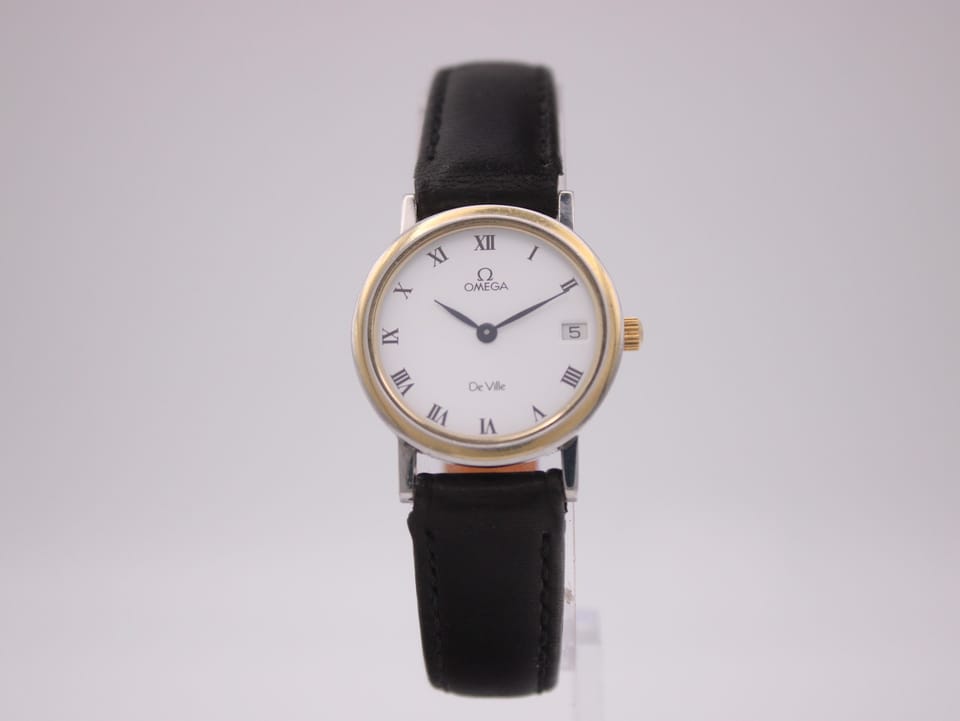
| Omega Geneve or De Ville, manual | £350 to £500+ | The accessible way into vintage Omega. Check the dial carefully |
| Seiko 6309 diver, original | £250 to £450 | The most accessible serious vintage diver. Beware replaced bezels |
| Seiko 6139 automatic chronograph | £400 to £700 | One of the first automatic chronographs. Top end is above this bracket |
| Swiss hand-wound dress watch, 1950s to 1960s | £320 to £500 | Eterna, Certina, Garrard. Properly finished and still undervalued |
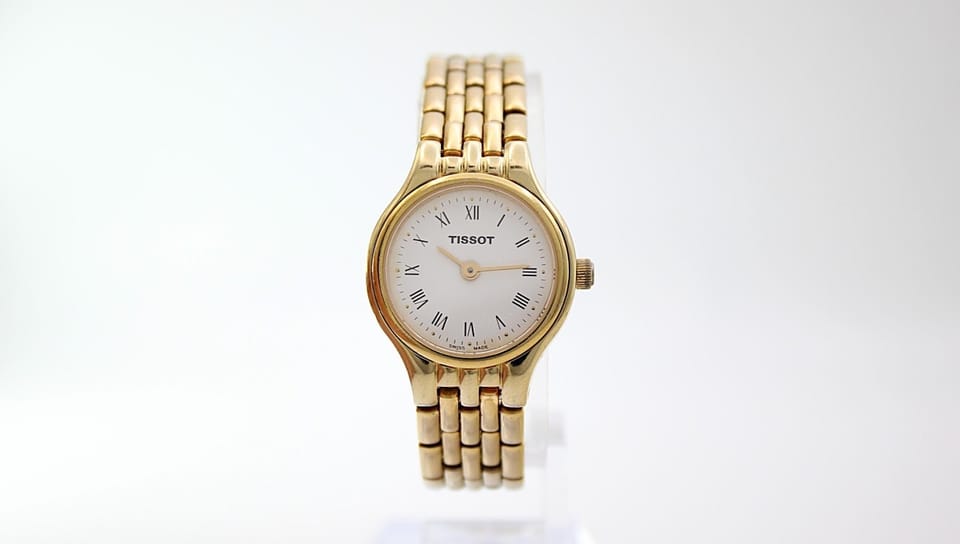
| Gold-plated Swiss dress watch, 1950s to 1960s | £150 to £350 | Elegant and undervalued. Check for brassing at the lugs |
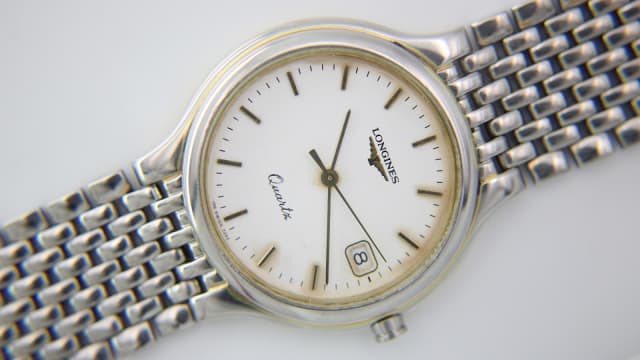
| Vintage Longines automatic | £300 to £500 | Arguably the finest thin automatics of the era |
Swiss mechanical: the heart of the bracket
This is where a Swiss mechanical watch in genuinely good order becomes affordable, and it is the best reason to be here. Longines made arguably its finest thin automatic dress watches between 1968 and 1975: beautifully finished, movements refined over decades, and still available at £300 to £500 because the collector market has fixed its attention elsewhere.
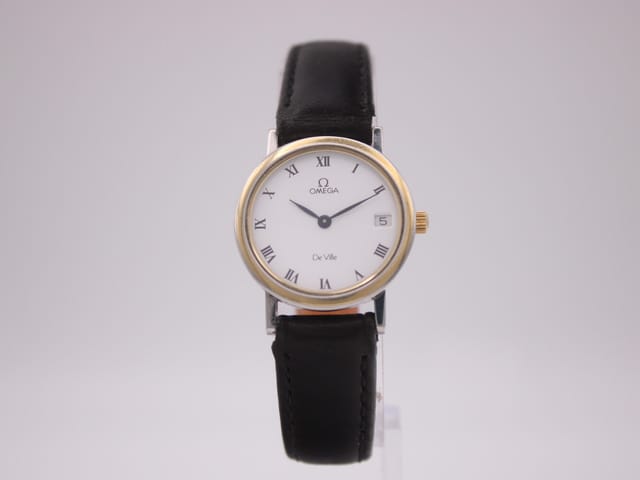
Omega enters the picture at the top of the bracket. The Geneve and De Ville families are the accessible route in, at roughly £350 upward for a manual-wind example, and they are proper Omega watchmaking rather than a badge on something lesser. Dials matter more here than anywhere else in vintage, because Omega is the most redialled brand in the market, and an original dial with honest ageing is worth considerably more than a fresh-looking one that is not what it appears.
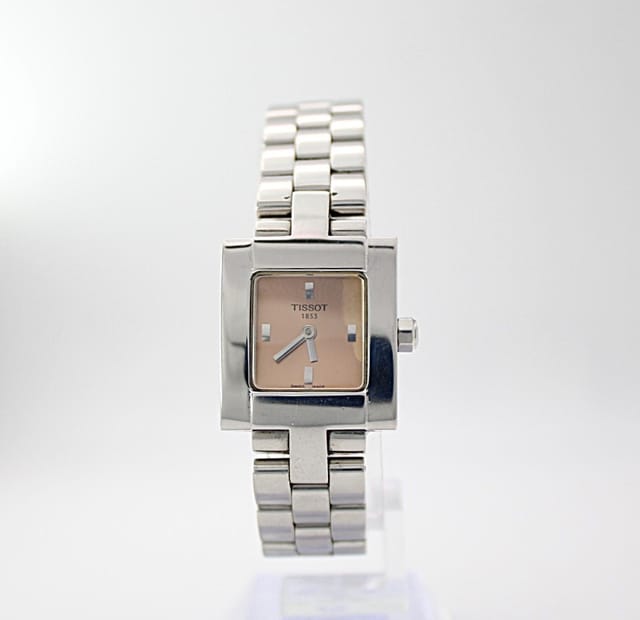
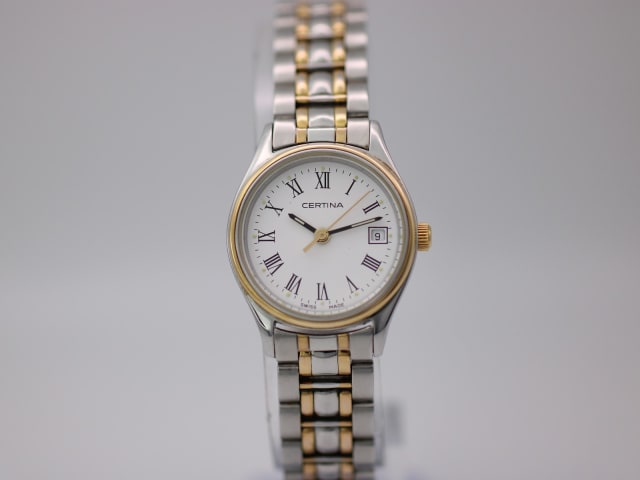
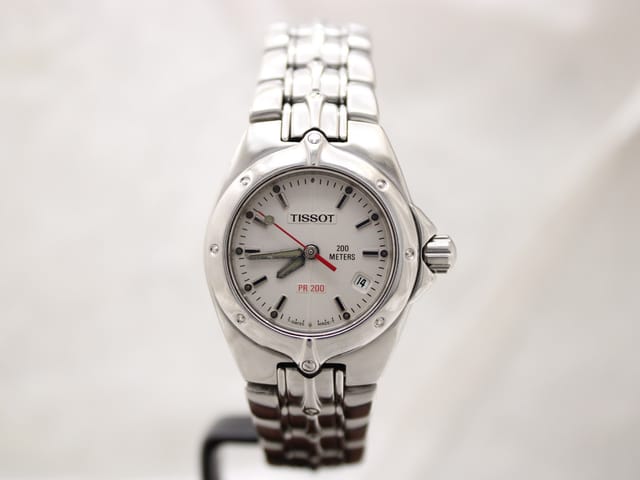
Certina and Tissot fill the middle. Certina's DS models were engineered as genuinely robust watches and are undervalued for what they are. Tissot's mechanical output of the same period, the Seastar family in particular, offers similar quality at a slightly lower price for no reason other than name recognition.
Where Seiko sits at this level
Under £200, Seiko means the everyday excellence of the Seiko 5. At £500 it means the references collectors argue about. The 6309 diver, made from 1976 to 1988, is the most accessible serious vintage diver there is at £250 to £450, and it is a properly engineered tool watch rather than a stylistic nod at one. Check the bezel insert and dial carefully, because both are commonly replaced and both change the value substantially.
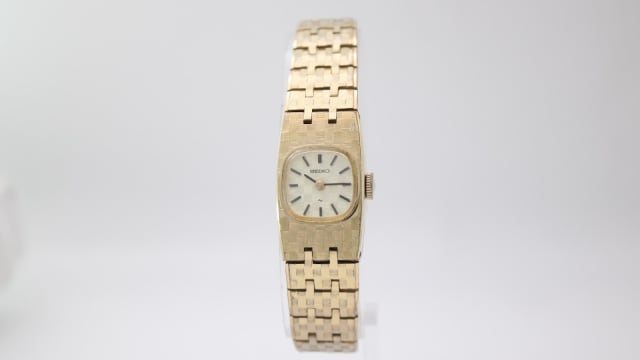
Seiko's premium lines are frequently recommended at this budget and are worth knowing about, but they are scarce enough that a recommendation is hard to act on. The Seiko you can realistically buy here is the 1960s and 1970s mechanical dress watch, hand-wound or automatic on calibres such as the 6119, 2906 and 1520, at £95 to £300, which leaves change over from £500. Our guide to vintage Seiko movements explains what each calibre number means and which are worth seeking out.
Buy the service history
The single change in how you should buy between £200 and £500 is that service history starts to matter financially. At £120 a service can exceed the value of the watch and you accept that risk. At £450 the service costs a fraction of the purchase and it should be part of the conversation.
Ask when the watch was last serviced and by whom. A recently serviced Swiss automatic at £480 is very often a better buy than an unserviced one at £380, because you are otherwise £80 to £200 and several weeks away from the same position. Ask about the movement's timekeeping over 24 hours, not just whether it runs.
Originality is now the main risk
At this level the failure mode changes. Under £200 the risk is buying a tired watch; at £500 it is buying a watch that is not what it claims to be. Redials, replaced hands, service dials fitted decades ago, aftermarket bezel inserts and cases polished until the lug edges have rounded away are all common, and all of them cost real money.
Learn to read the dial printing, check that the hands match the reference, and confirm the movement calibre against the case reference and serial. Our guide to dating a vintage watch sets out how those three pieces of evidence should converge, and a watch where they do not converge is a watch to leave alone regardless of how good it looks.
What we would buy
If it were our own £500, it would go on a late 1960s or early 1970s Swiss automatic dress watch with an original dial and a recent service. It is the most undervalued corner of vintage watchmaking, the quality is not in dispute, and these are watches that can be worn every day for another twenty years without drama.
Every watch in our under £500 collection is inspected and tested in London, dated from its serial and calibre, and photographed as it actually is, with any wear stated plainly rather than cropped out. Free UK delivery and 14-day returns apply throughout.
Frequently asked questions
What is the best vintage watch under £500?
A Swiss automatic dress watch from the late 1960s or early 1970s, typically £250 to £500, from Longines, Omega, Certina or Tissot. Those years produced some of the finest mechanical watchmaking those houses ever did and the collector market has not fully caught up with them. For a sports watch instead, an original Seiko 6309 diver at £250 to £450 is the most accessible serious vintage diver there is.
Can you buy a vintage Omega for under £500?
Yes. The Geneve and De Ville families are the accessible route in, from roughly £350 for a manual-wind example in original condition. Check the dial with real care, because Omega is the most frequently redialled brand on the vintage market and an original dial with honest ageing is worth considerably more than a suspiciously fresh one.
Is a vintage watch under £500 a good investment?
Some references, particularly early automatic chronographs, original divers and King Seiko, have risen steadily. Most vintage watches in this bracket are best bought to wear rather than as an investment: they hold value well if bought sensibly and in original condition, but a guaranteed return is not what this market offers.
Should I pay more for a serviced vintage watch?
At this price, usually yes. A full service costs £80 to £200, so a recently serviced watch at £480 is often a better buy than an unserviced equivalent at £380. Ask when it was serviced, by whom, and how it keeps time over 24 hours rather than simply whether it runs.
What is the difference between a £200 and a £500 vintage watch?
At £200 you are buying the best of mass-produced Japanese mechanical and Swiss quartz. At £500 the field opens onto Swiss mechanical watches in good order, genuine chronographs and the Seiko references collectors chase. The main risk also changes: under £200 it is buying a tired watch, at £500 it is buying one that is not original.