Quartz, automatic, or manual: a guide to watch movements
Every watch is powered by one of three things: a battery, the motion of your wrist, or your own hand. Understanding the difference is the first step to buying well.
READ ARTICLE →Guides, histories, and collector insight — on movements, decades, care, and finding the right piece.
Every watch is powered by one of three things: a battery, the motion of your wrist, or your own hand. Understanding the difference is the first step to buying well.
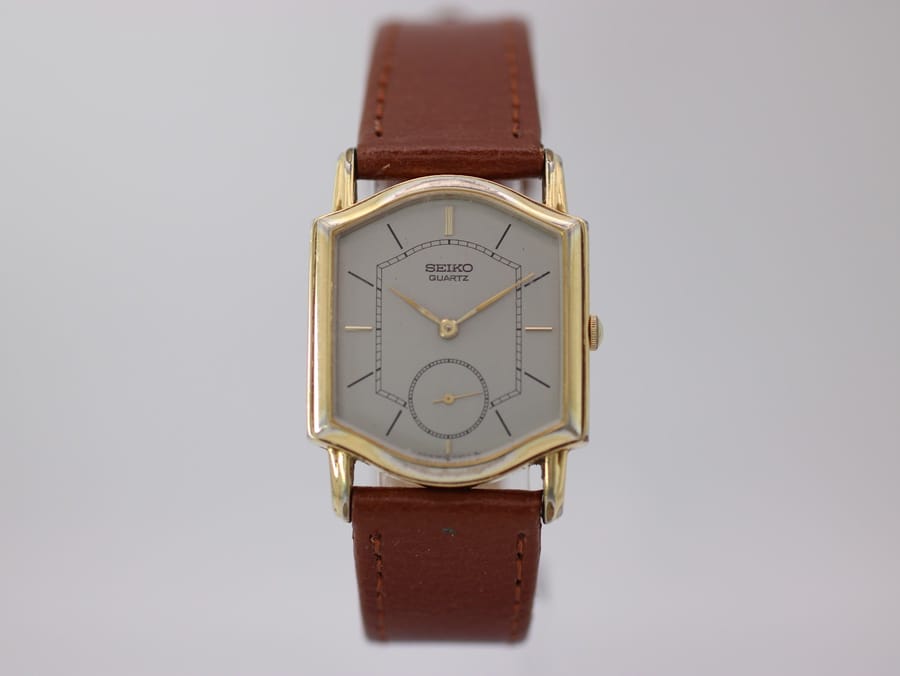
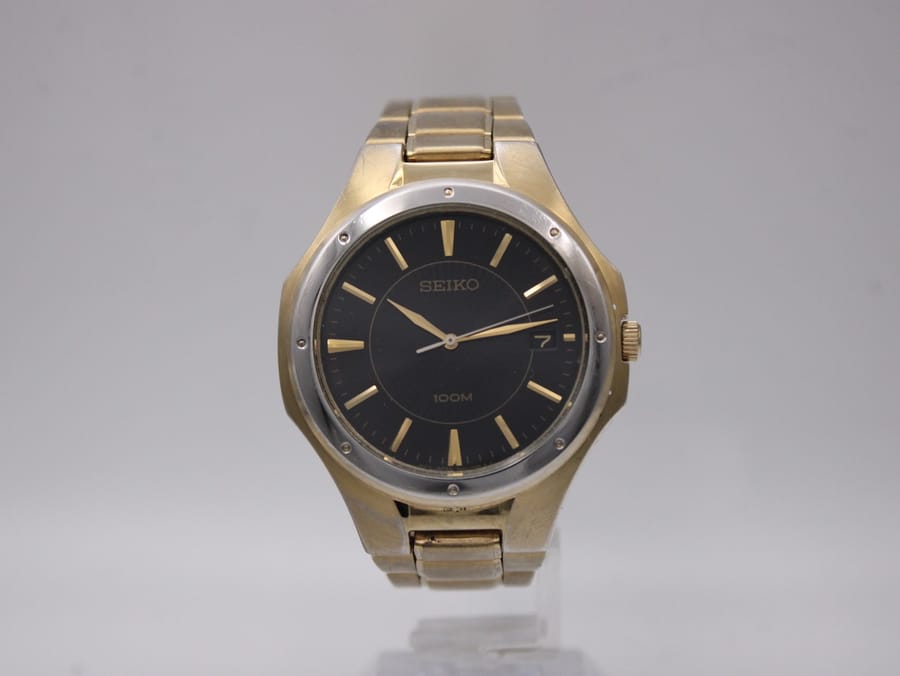
READ ARTICLE →No manufacturer has put more quality on more wrists than Seiko. From the world's first quartz watch to the cult divers c…
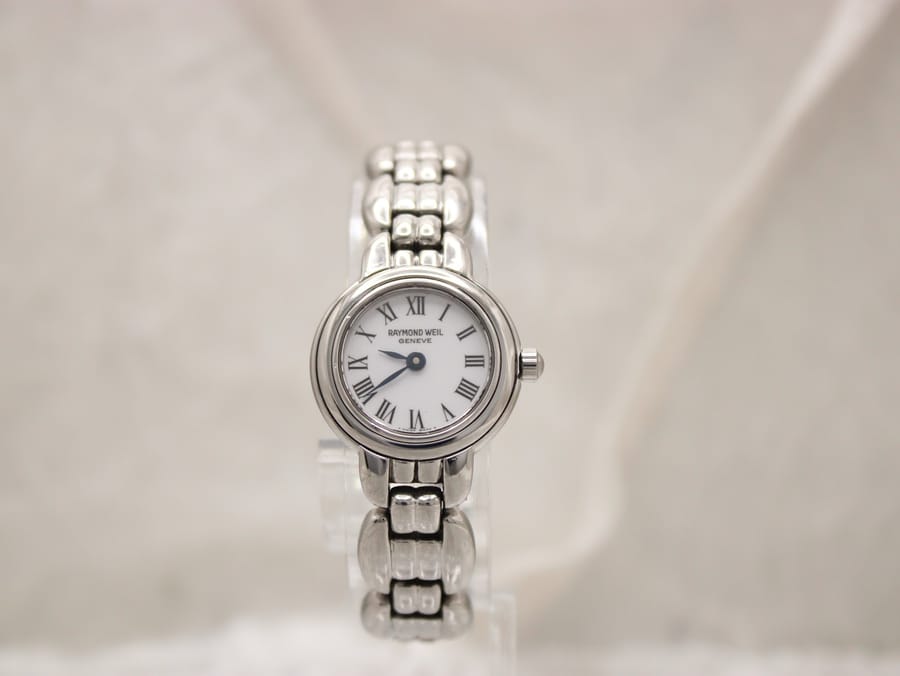
Read →In an industry dominated by conglomerates, Raymond Weil remains one of the last truly independent Swiss watch families. …
Read →A watch is not simply a machine for measuring time. It is a record of a life: the places it has been, the wrists it has …
Read →The 1970s is the most consequential decade in watchmaking history, and arguably the most misunderstood. The 'quartz cris…
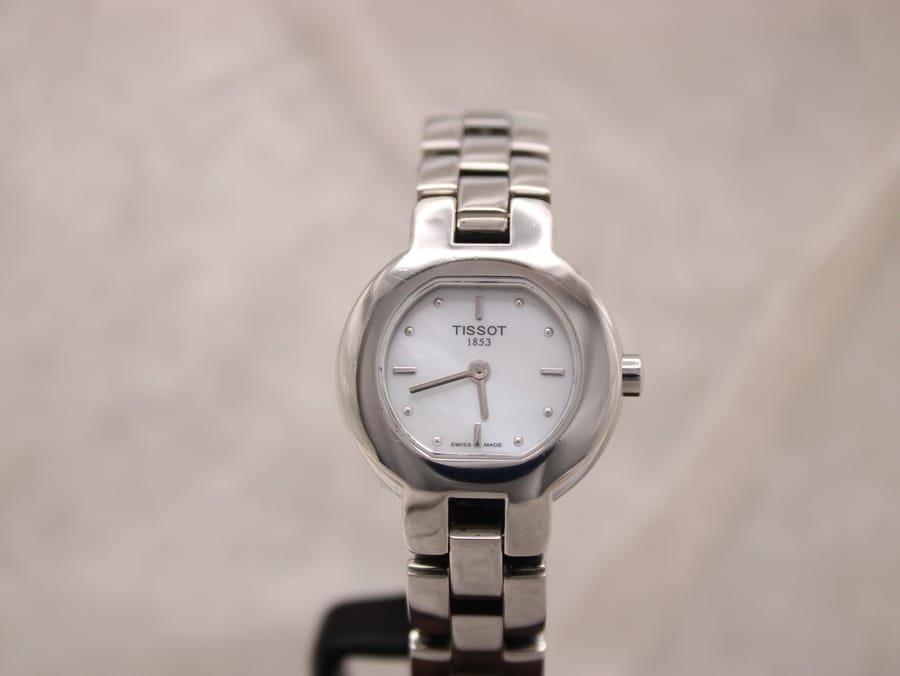
Read →Often overshadowed, Tissot has a rich history of innovation and quality since 1853. Why their vintage pieces offer remar…
Read →Vintage watches were built to last generations, but the care they need is not the same as a modern watch. A few common m…
Read →Seiko produced more distinct movement calibres than almost any other manufacturer. Here is what the numbers mean and whi…
Read →There is something quietly compelling about owning a watch made in the same year you were born: a connection to a specif…
Read →