The best vintage watches under £100
Under £100 is the most misunderstood bracket in vintage watches. There is real quality here, and a lot to avoid. Here is how to tell them apart.
Under £100 is the most misunderstood bracket in vintage watches. It gets dismissed as the junk end of the market, which is wrong, and it gets oversold as a place where bargains on famous names are waiting, which is more wrong still. The truth sits between the two: there is genuine quality here, made by serious manufacturers, and there is a great deal to avoid, and the difference is entirely learnable.
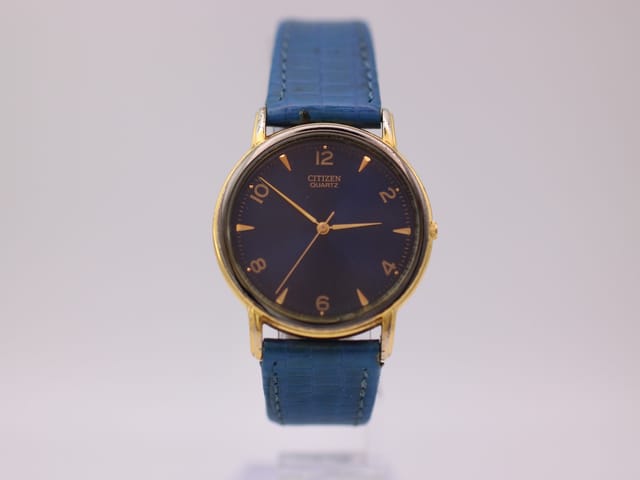
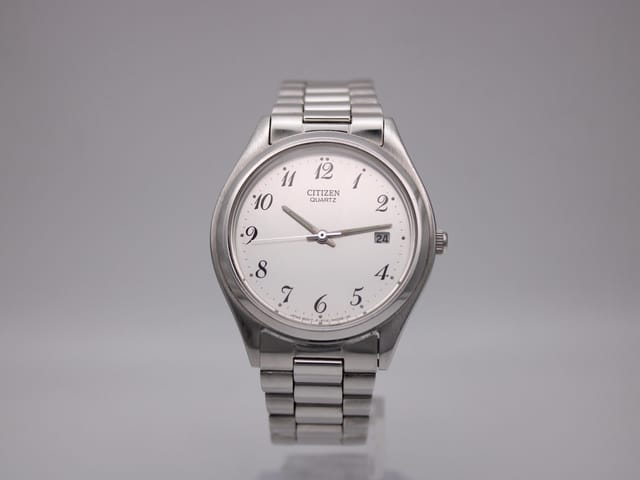
The short answer is that under £100 you are buying quartz, or you are buying Japanese. A 1980s Seiko or Citizen quartz dress watch at £45 to £90 is the most watch you can get for double figures, and a tidy Lorus or vintage Casio below that is more interesting than its price suggests.
What under £100 actually buys
Set expectations properly and this bracket is a pleasure. Set them by looking at auction listings for famous names and it is a minefield.
| What | Typical price | Why it is good |
|---|---|---|
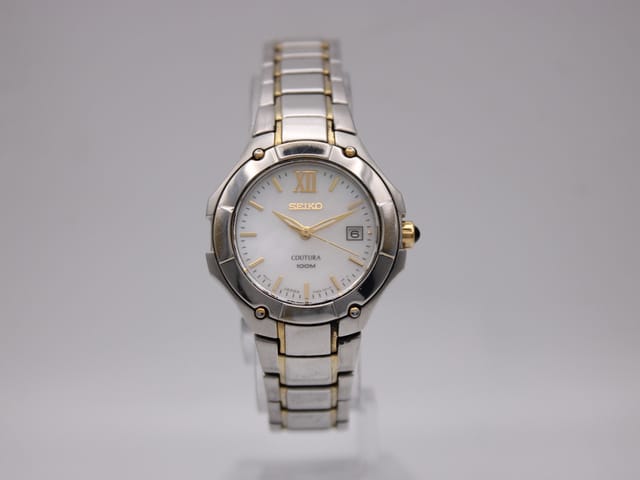
| Seiko 1980s quartz dress watch | £45 to £90 | Slim case, sharp dial printing, in-house quartz, essentially maintenance-free |
| Citizen 1990s Eco-Drive | £60 to £95 | Light-charged, so no battery to leak in storage |
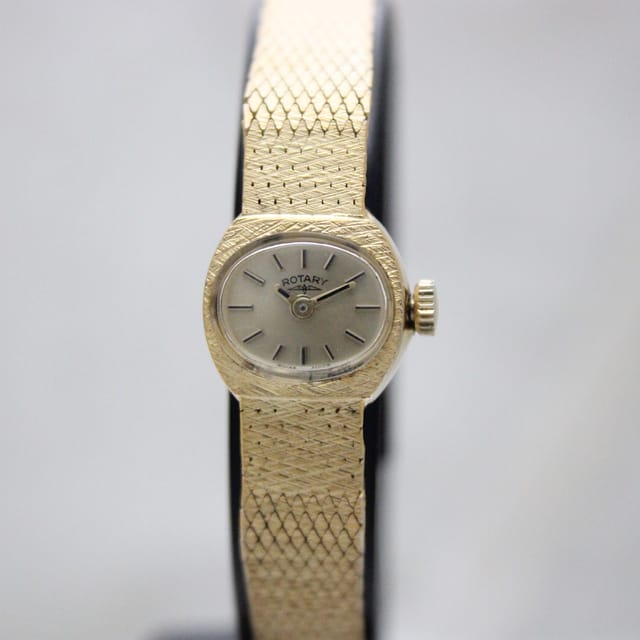
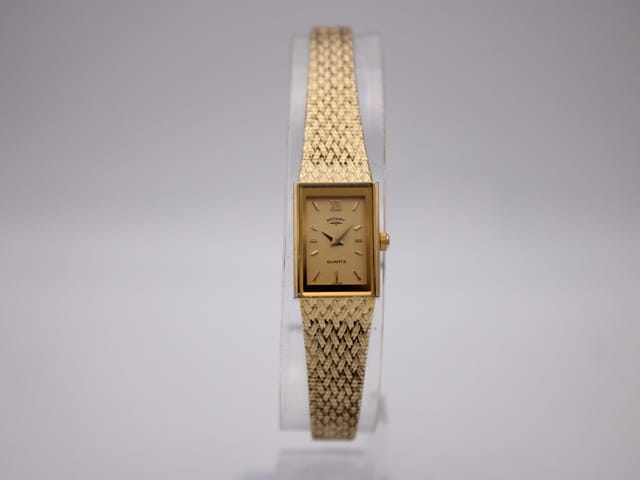
| Rotary gold-plated dress watch | £50 to £95 | Genuine Swiss name, elegant mid-century proportions |
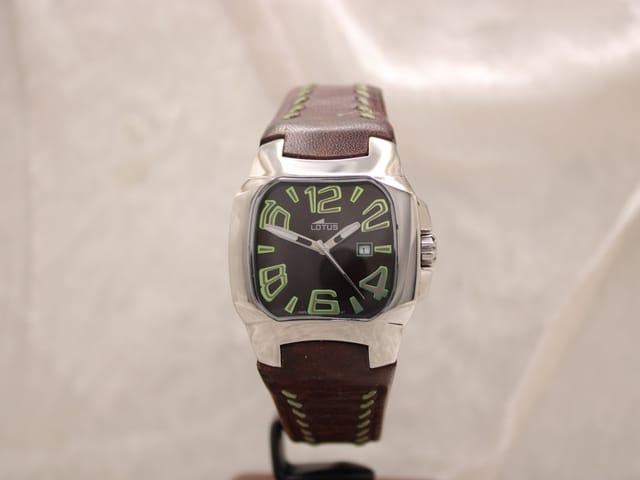
| Lorus 1980s and 1990s | £25 to £70 | Seiko group build quality at the lowest price in vintage |
| Vintage Casio digital | £30 to £80 | Period character and a durability reputation that is fully earned |
| Seiko 5 automatic, worn condition | £70 to £95 | Real mechanical watchmaking, if you accept honest wear |
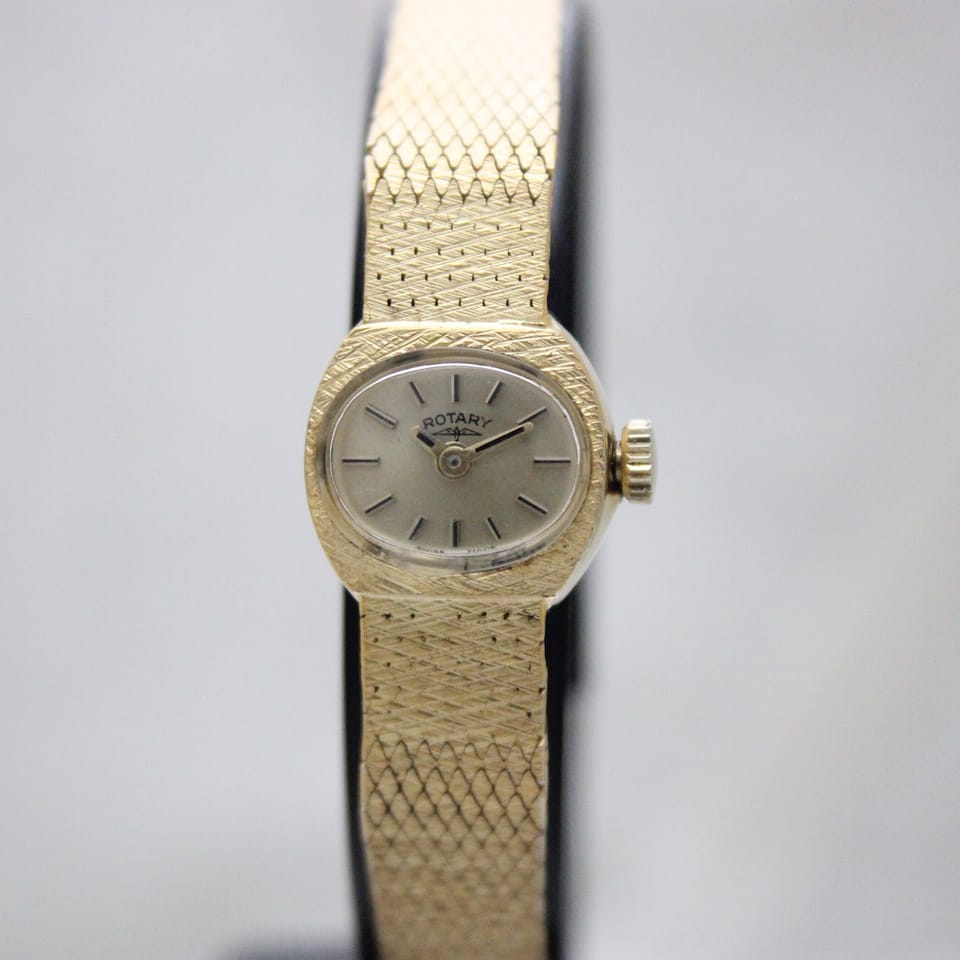
Quartz is the sensible answer here
It is worth saying without hedging: under £100, quartz is usually the better buy. A mechanical watch at this price is either heavily worn, overdue a service that costs more than the watch, or not what it claims to be. A quartz watch at the same price can be genuinely excellent, because quartz movements from good makers were produced to a high standard and have very little to go wrong.
The 1980s Seiko quartz dress watches are the standouts. Slim cases, crisply printed dials, applied indices, and an in-house movement that will keep time to a few seconds a month. Many have survived in near-original condition simply because they were bought as smart watches and worn carefully. Citizen made the same kind of thing to the same standard, and their Eco-Drive models charge from light, which means no battery sitting in a case for a decade waiting to leak.
The mechanical option, honestly described
You can buy a mechanical watch under £100, and it will most often be a Seiko 5 automatic with visible wear: a polished case, a replaced bracelet, a dial with marks. If you can live with that, it is a real automatic movement with a day-date for less than the price of dinner out, and there is something genuinely satisfying about that.
What you should not do is buy a mechanical watch at this price expecting it to be sorted. Budget for the possibility that it will need attention, understand that a full service runs £80 to £200 and can exceed the value of the watch, and buy from someone who has at least wound it and run it. Our guide to caring for a vintage watch covers what these movements need and what will harm them.
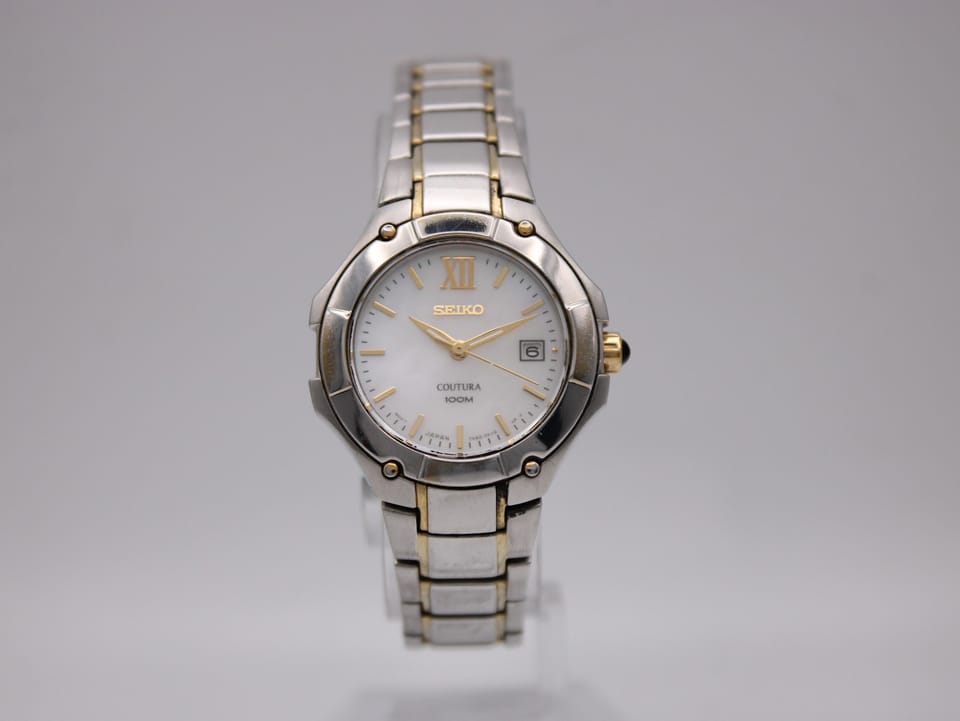
What to walk away from
A famous Swiss name under £100 is the clearest warning sign in the whole market. Omega, Longines, Rolex and their peers do not sell in this bracket in original condition, and what is offered there instead is redialled, franken-assembled from mismatched parts, or outright counterfeit. The price is honest even when the listing is not.
Also treat with caution: anything described as 'untested' or 'ran when last worn', watches photographed only from angles that hide the dial, gold-plated cases with brassing through to the base metal at the lugs, and listings where the seller cannot say what movement is inside. Learning how to date a vintage watch from the serial and calibre is the fastest way to catch a mismatch.
Why this bracket is worth taking seriously
A watch bought here is not a compromise so much as a different proposition. It is the bracket for a first vintage watch you are not yet sure about, for a gift that carries real character rather than a brand, for a birth year piece when the year matters more than the maker, and for anyone who wants to own something with fifty years of history for the price of a modern fashion watch that has none.
Every watch in this range that we list has been inspected, tested, given a fresh battery where it needs one, and photographed exactly as it is. If you want the next bracket up, where Japanese automatics and Swiss quartz open out properly, our guide to the best vintage watches under £200 picks up where this one stops.
Frequently asked questions
What is the best vintage watch under £100?
A 1980s Seiko or Citizen quartz dress watch at £45 to £90. Slim case, in-house movement, crisply printed dial, accurate to a few seconds a month and essentially maintenance-free beyond a battery every two or three years. For something with more character at the same money, a vintage Casio or a gold-plated Rotary dress watch are both worth a look.
Can you buy a good vintage watch for under £100?
Yes, provided you buy quartz or Japanese and ignore famous Swiss names. Serious manufacturers made large numbers of well-engineered watches in the 1980s and 1990s, and those survived in quantity, which is exactly why they are affordable now rather than a sign that they are poor.
Can you get a vintage automatic watch under £100?
Sometimes, usually a Seiko 5 with honest wear such as a polished case, a replaced bracelet or a marked dial. It is a genuine automatic movement for very little money, but do not expect it to have been serviced, and be aware that a full service costs £80 to £200 and may exceed what you paid.
Why are some vintage watches so cheap?
Because they were made in enormous numbers by manufacturers who were very good at mass production. A 1980s Seiko quartz was never rare, and rarity is what drives collector prices. Low price at this level reflects supply, not quality.
Is a £60 vintage Omega real?
Almost certainly not, or not in the state it is being sold as. Genuine vintage Omega in original condition does not sell at that price anywhere. What is offered under £100 with a famous Swiss name on the dial is typically redialled, assembled from mismatched parts, or counterfeit.