How to date a vintage watch
Serial numbers, reference numbers, movement calibres and design clues: a practical guide to working out exactly when a vintage watch was made.
The first question anyone asks about a vintage watch is the same: how old is it? Unlike silver, watches rarely carry a neat date stamp, and the answer usually has to be assembled from serial numbers, reference numbers, movement calibres and a little design detective work. The good news is that for most mainstream brands, dating a watch to within a few years is entirely achievable from home. Here is how it is done.
Start with the serial number
Most manufacturers stamped a serial number on the case back or inside the case, and many of those sequences map to production years. Seiko is the friendliest of all: the first digit of the serial is the year of manufacture and the second is the month, so a serial starting "73" means March of a year ending in 7. Cross-checking the movement calibre, which has its own production window, tells you whether that is 1967, 1977 or 1987. If it is specifically a Seiko you are dating, we have a step-by-step walkthrough in how to date a vintage Seiko by its serial number.
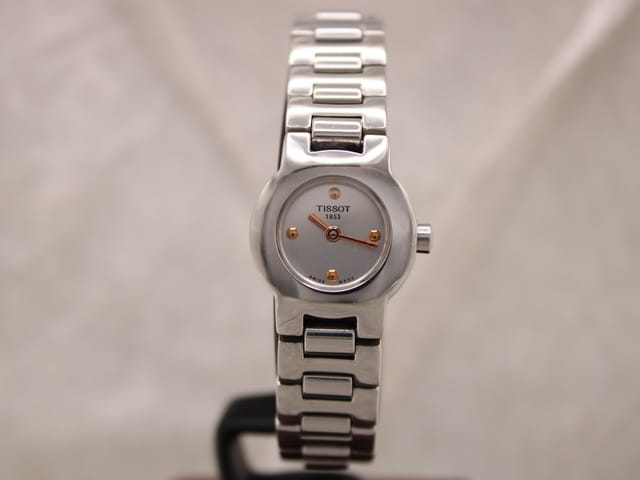
Swiss brands are less systematic but well documented. Longines, Omega and Tissot have published serial number ranges by year, and community databases fill many of the gaps for smaller houses. With Swiss pieces the answer is often a range, "1968 to 1970", rather than a single year, which for most purposes is close enough.
Check the movement calibre
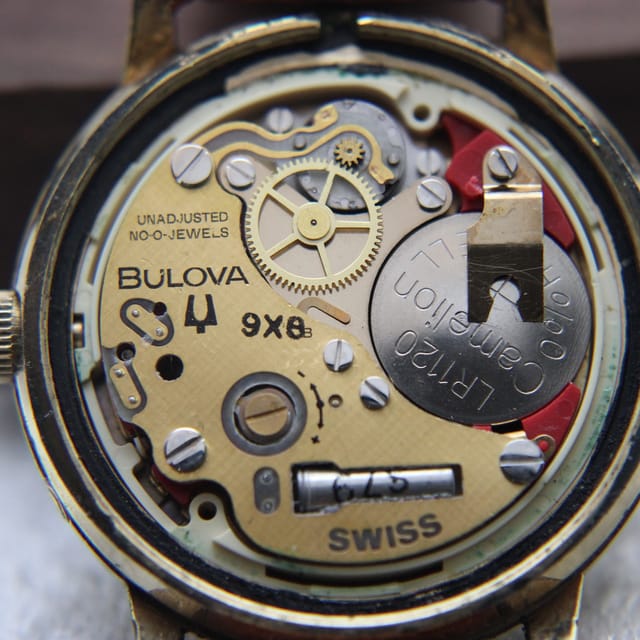
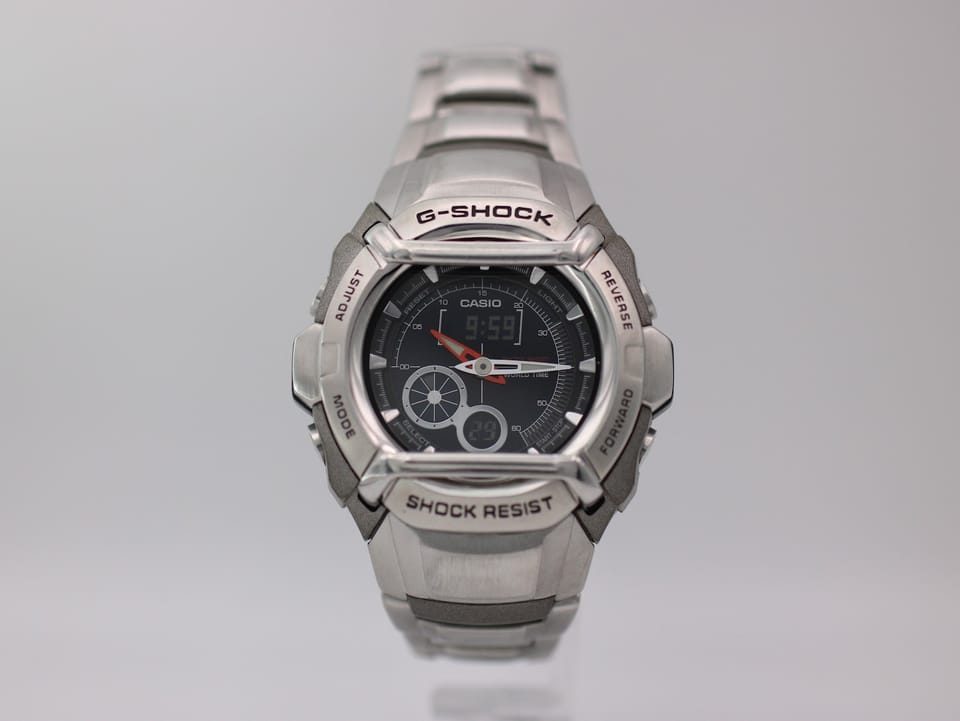
Every movement calibre has a production window, and it is often narrower than the brand's serial ranges. A watch can be no older than its movement's introduction date, and rarely much younger than the calibre's discontinuation. Opening the case back is a job for a watchmaker, but many case backs, listings and service records name the calibre without any opening required.
The calibre also guards against 'franken' watches, pieces assembled from parts of different eras. If the movement, case and dial all date to the same window, you can be confident the watch is what it claims to be.
Read the design language
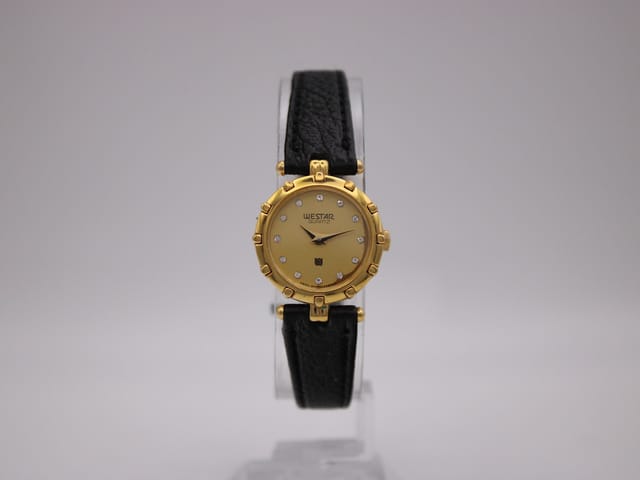
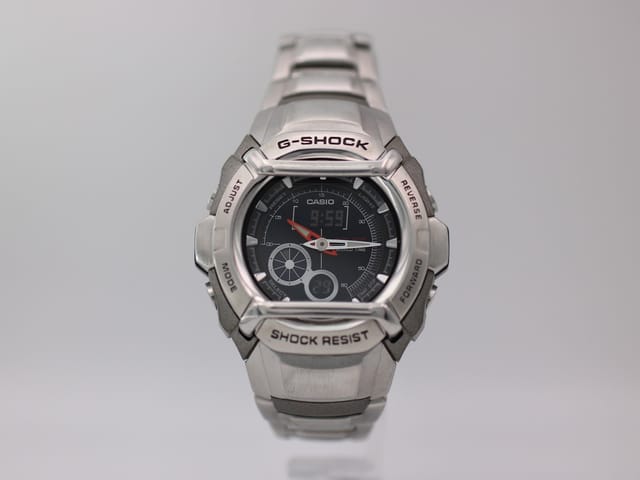
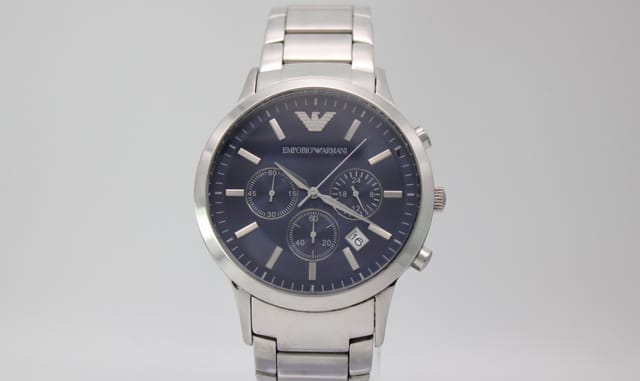
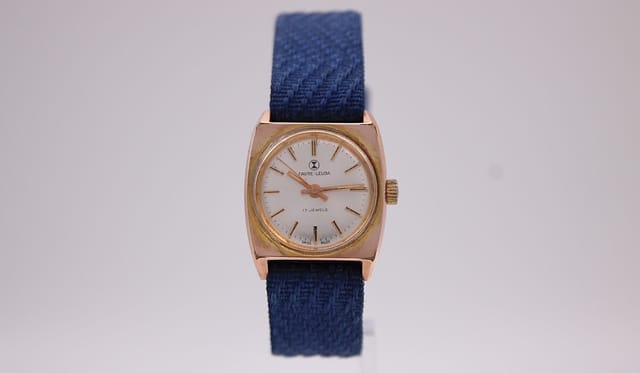
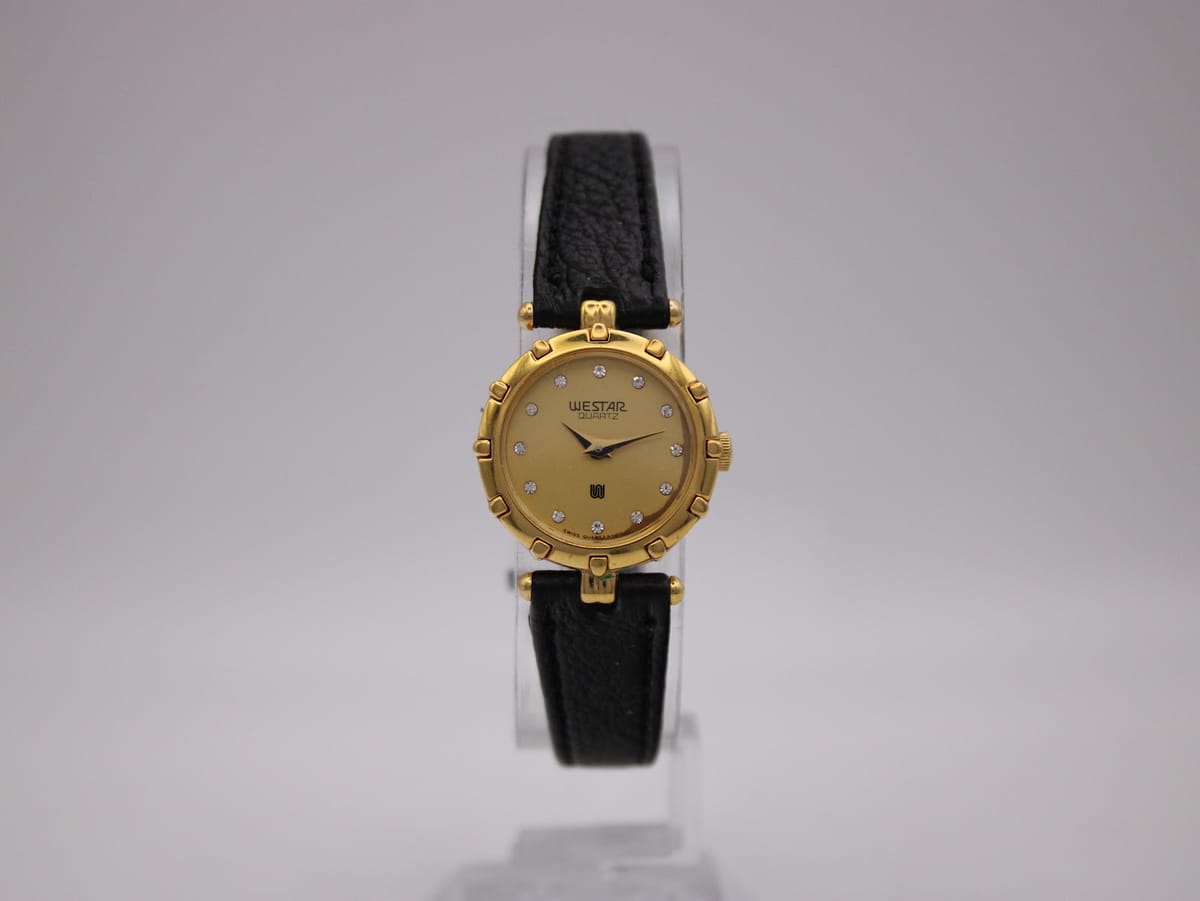
Design gives you the sanity check. Case shapes, dial fonts, lume styles and bracelet designs all follow fashion, and each decade has a recognisable feel: the restrained gold dress watches of the 1960s, the barrel cases and sunburst dials of the 1970s, the thin integrated-bracelet quartz of the 1980s, the revival sports pieces of the 1990s.
None of these clues is decisive alone, but together they converge. When the serial range, the calibre window and the design language all point at the same few years, you have your date.
What a date is worth
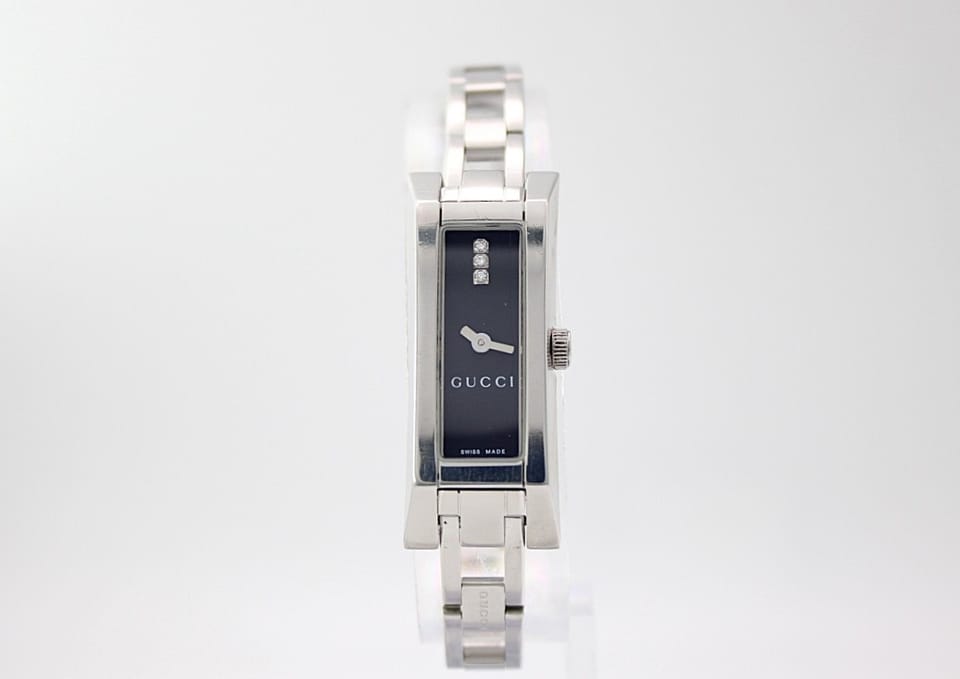
Knowing the year matters for more than curiosity. It anchors the watch's story, confirms originality, and makes birth year and anniversary hunting possible. Every watch we list at London Watch Market carries an estimated year of manufacture, worked out exactly this way, and stated honestly as an estimate where the evidence allows only a range.