Second hand watches under £500
£500 second hand buys a Swiss watch from a recognised house in good order. The same £500 new buys a fashion watch. Here is what the bracket actually holds, and how to buy in it without getting caught.
Five hundred pounds is an awkward budget for a new watch and an excellent one for a used watch. New, it puts you at the top of the fashion-brand shelf: a watch assembled to a price, carrying a name licensed to a manufacturer you will never hear of, and worth perhaps a third of what you paid the moment you leave the shop. Second hand, the same money buys a Swiss watch from a house that made its own name, already through the depreciation, in a condition someone else has already paid for.
That gap is the whole argument for buying used at this budget, and it is wider here than at any other price point. This guide covers what the second hand market under £500 actually holds, which is not quite what most articles on the subject claim, what to check before you pay, and how to avoid the ways this market goes wrong.
Second hand, pre-owned, vintage: the words matter
These three terms get used interchangeably and they should not be. Second hand and pre-owned mean the same thing, that someone owned the watch before you, and pre-owned is simply the term the trade prefers. Neither says anything about the watch's age.
Vintage is a claim about age, and it is the one worth watching. There is no enforced definition, but the working consensus is roughly thirty years, so a watch made in the mid-1990s or earlier. A 2015 watch is second hand. It is not vintage, whatever the listing says, and a seller who calls it vintage is either careless or hoping the word does some work on the price.
Both matter to you differently. Second hand is about who owned it and how they treated it. Vintage is about what has happened to the parts since, which is why a fifteen-year-old watch and a fifty-year-old one need entirely different questions asked of them, even at the same price.
What £500 actually buys second hand
Here is where most guides to this bracket become unhelpful. They describe a market of 1960s Swiss automatics and sought-after Seiko references, because that is the collector's version of £500 and it makes for a better read. It is a real market, and our companion piece on the best vintage watches under £500 covers it properly. But it is not what the bracket mostly contains.
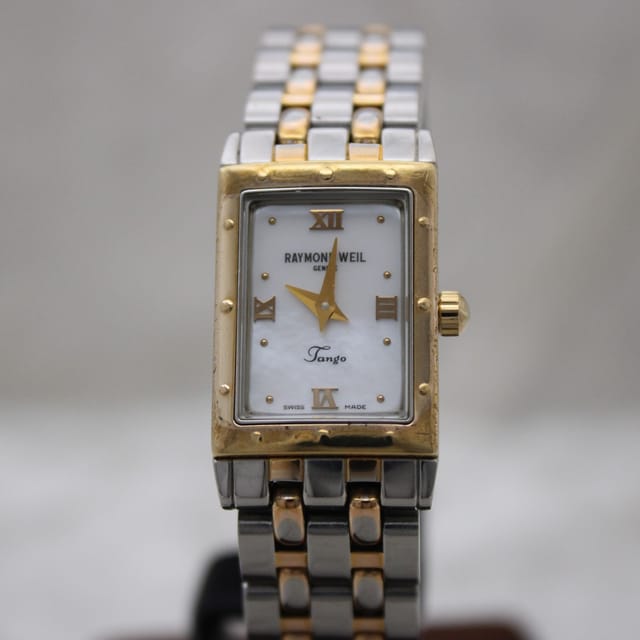
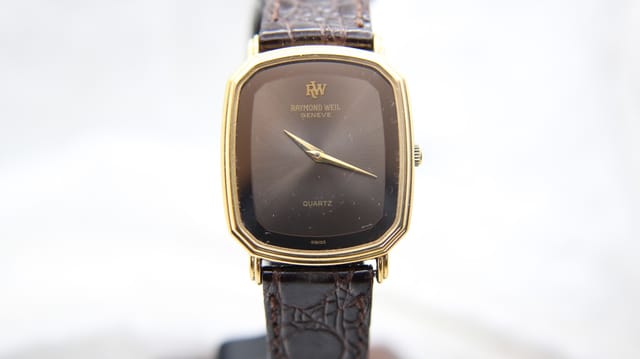
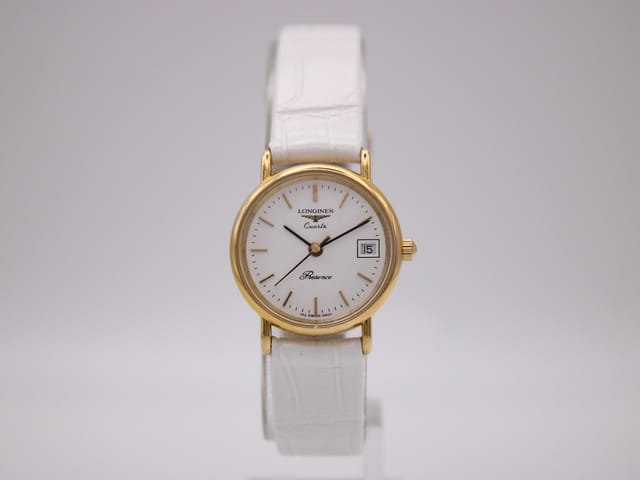
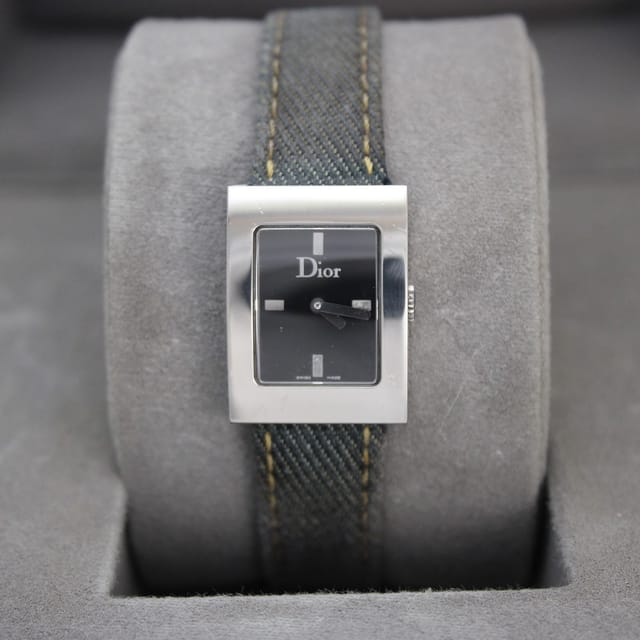
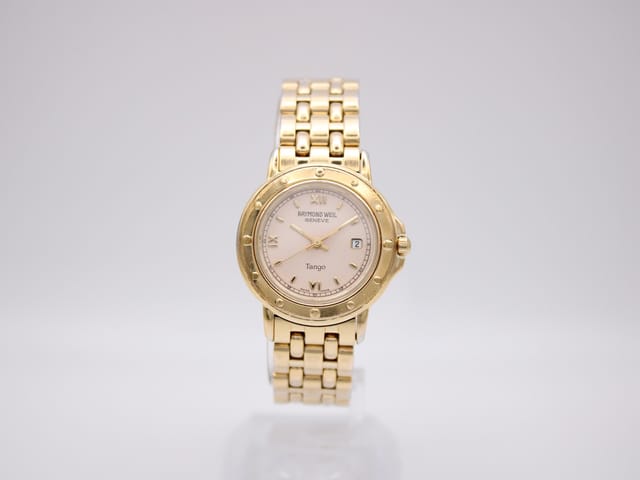
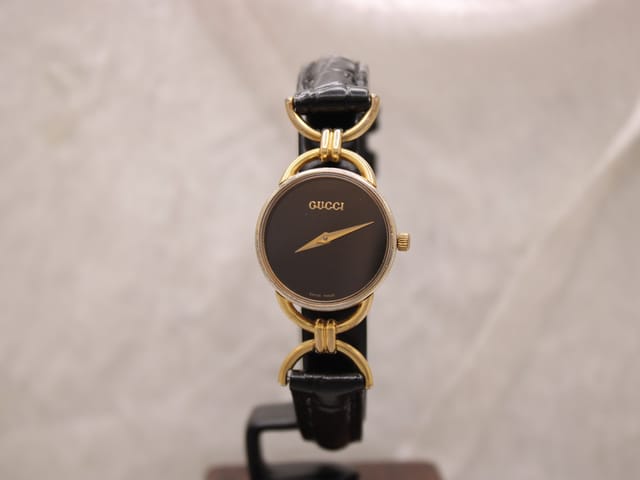
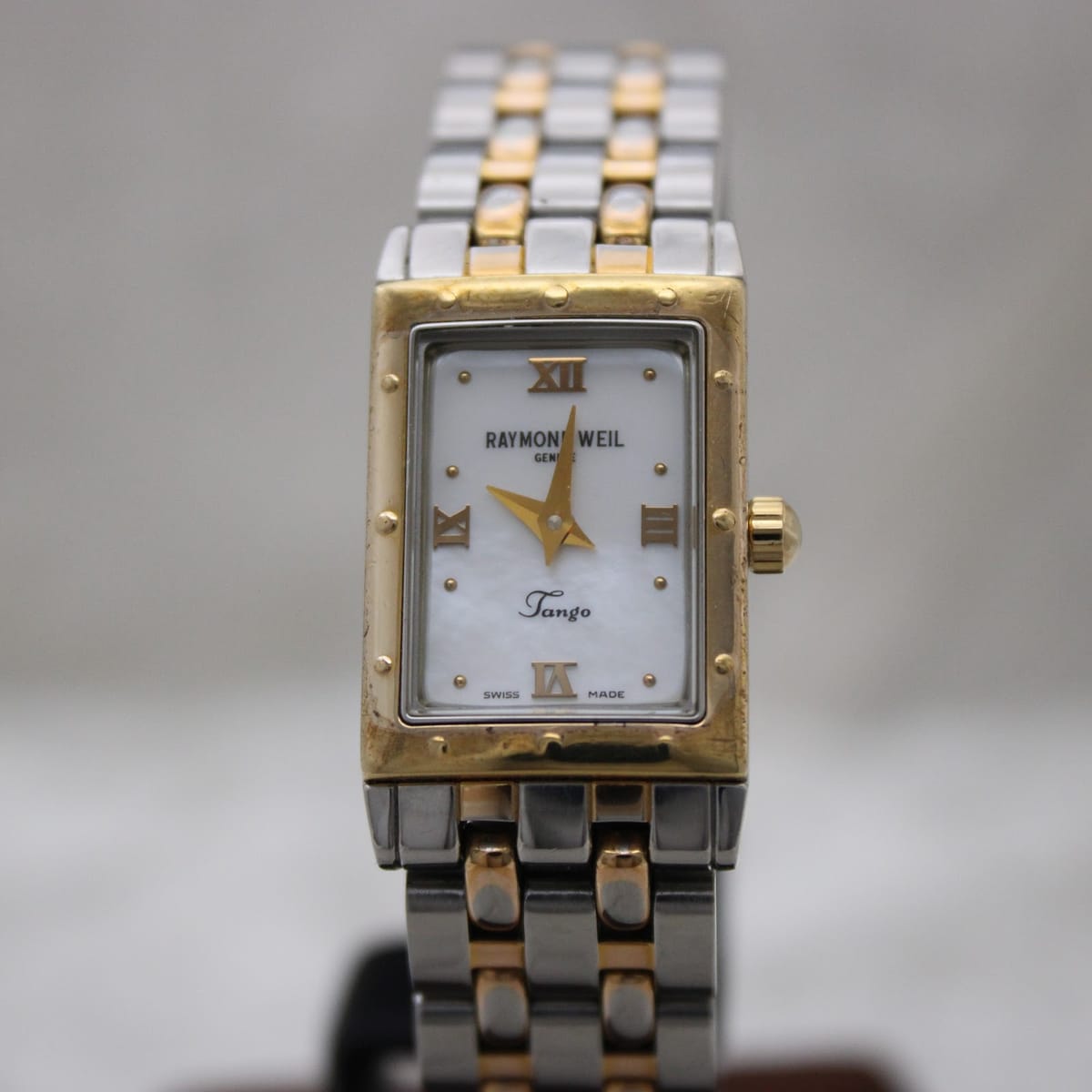
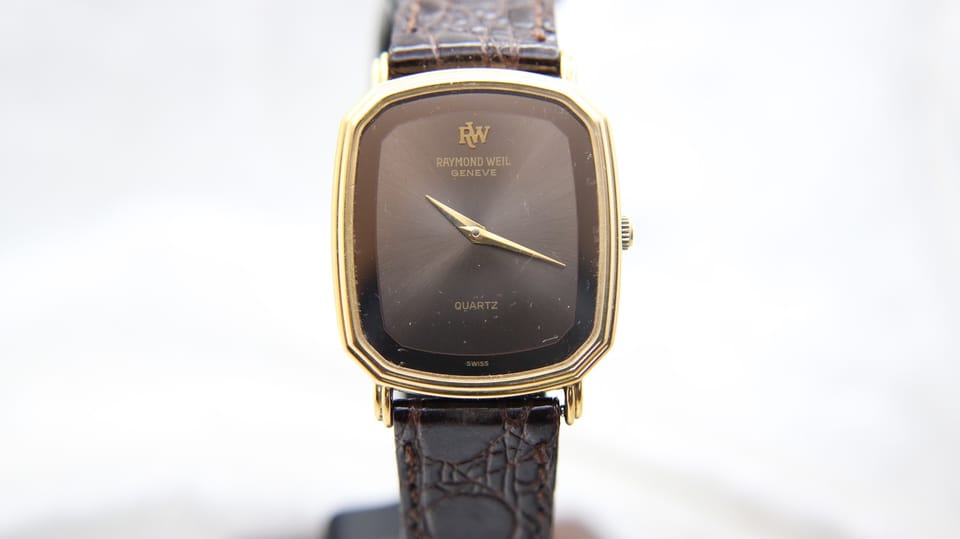
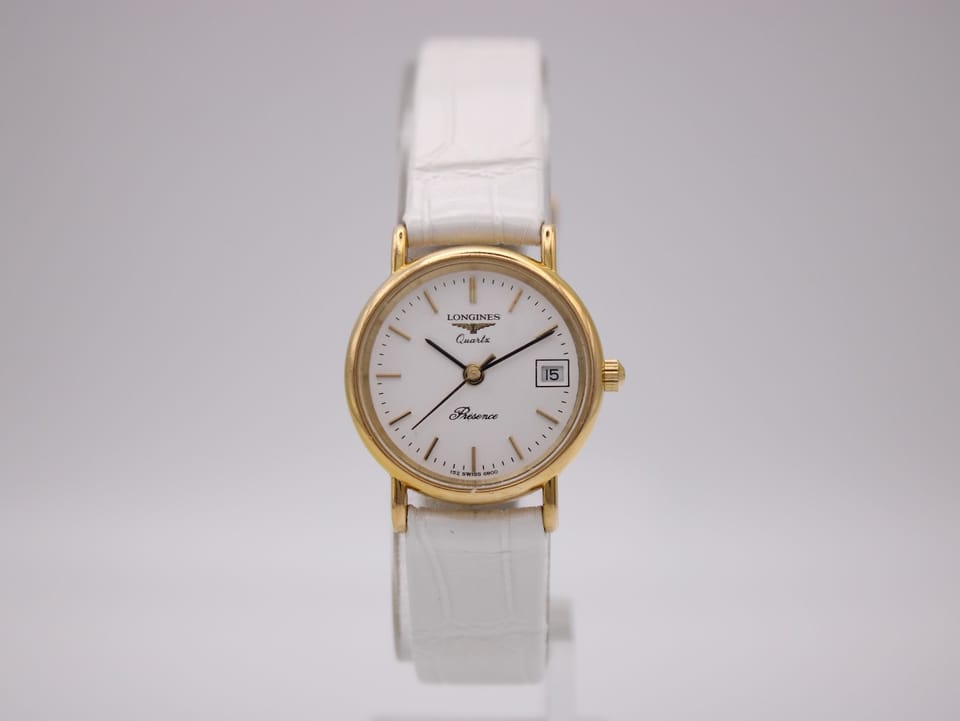
What it mostly contains is quartz. Across our own stock between £200 and £500, roughly three watches in four are quartz, and the brands that recur are Raymond Weil, Gucci and Tissot by a clear margin, with Maurice Lacroix, Certina, Longines, Movado, Michel Herbelin and Zenith filling in behind them. Most of it dates from the 1980s, 1990s and early 2000s. That is the honest shape of this market, and it is worth understanding before you go looking for something else.
This is not a lesser outcome. A Raymond Weil or a Michel Herbelin from the 1990s is a genuinely well-made Swiss watch: a properly finished case, a dial executed with care, and an ETA-based quartz movement that any independent watchmaker can service and that needs nothing from you but a battery every two or three years. The reason it costs £250 rather than £2,500 is that quartz fell out of collector fashion, not that anything about it is worse.
| Budget | What you can expect | Mostly | Watch out for |
|---|---|---|---|
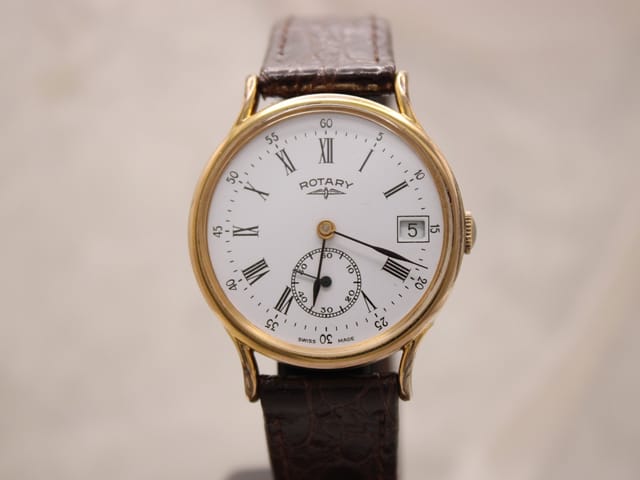
| Under £100 | Japanese quartz and the everyday end of Seiko, Citizen, Rotary and Casio | Quartz, 1980s to 2000s | Costs of service exceeding the watch; plating worn through |
| £100 to £200 | Entry Swiss quartz, Seiko 5 automatics, better-condition designer pieces | Quartz, some automatic | Tired movements sold as running; replaced dials |
| £200 to £350 | Raymond Weil, Gucci, Tissot and Maurice Lacroix in good order | Quartz, 1980s to 2000s | Refinished cases; aftermarket bracelets; no service history |
| £350 to £500 | Longines, Certina, Zenith quartz; Swiss mechanical dress watches; entry vintage Omega | Mixed quartz and mechanical | Redials, particularly on Omega; polished-away lug edges |
Where the mechanical watches are
If a mechanical movement is what you want, it exists in this bracket but you have to go looking. In our own £200 to £500 band, mechanical pieces run to around a fifth of the stock, and they cluster in a predictable place: Swiss dress watches of the 1950s to 1970s, hand-wound or automatic, at £220 to £400.
That corner is genuinely undervalued. A Tissot Seastar Seven automatic, a Certina Certidate, a Roamer Searock, an Eterna or a hand-wound Raymond Weil all sit in the £220 to £400 range, and they are watches with real movements inside, finished properly, from the period when these houses were doing their best mechanical work. Entry Omega starts around £320 and reaches the top of the bracket.
The thing to accept is that you are choosing from what is available rather than ordering a specific reference. Mechanical stock at this price arrives one watch at a time and does not stay long, which is the opposite of how buying new works and takes some adjustment.
What to check before you pay
Start with the movement, because it is the part you cannot see and the part that costs the most to put right. On anything mechanical, ask when it was last serviced and by whom, and ask how it keeps time over a full 24 hours rather than whether it runs. A watch that runs can still be forty seconds a day out. A service costs £80 to £200, so on a £250 watch it is a material share of what you are paying, and the answer should change your offer.
On quartz, the equivalent question is what happened to the last battery. A cell left in a drawer for years leaks, and a leaked cell corrodes the contacts and often the circuit underneath. Ask whether the watch has a fresh battery in it and whether the movement was checked when it went in.
Then the case. Look at the lug edges, because that is where over-polishing shows first: a case that has been buffed until the flats are rounded and the edges soft has lost its geometry permanently, and no amount of shine compensates. On gold-plated watches, look for brassing at the high points of the case and the bracelet links, which is wear through the plating to the base metal underneath, and is not repairable at this price.
Then the dial, which is where the money is. Learn what the original printing should look like for the reference and be suspicious of a dial that looks newer than the case around it. Redials are common across the whole market and they take a serious bite out of value even when they are neatly done.
Finally, the paperwork question, which matters less here than sellers imply. Box and papers are a genuine plus at this budget but not a requirement, and their absence should not put you off a good watch. Very few 1990s watches kept their boxes. A missing box is normal; a missing explanation for a suspiciously fresh dial is not.
Where the second hand market goes wrong
The failure modes are consistent and mostly avoidable. The first is the private sale with three photographs, all taken at the same angle, none showing the dial straight on or the caseback at all. Assume anything not photographed is the reason it was not photographed, and ask for the missing pictures before anything else.
The second is the phrase 'working when stored' and its many relatives. It is not a claim that the watch works, it is a claim about a moment in the past that cannot be checked, and it usually means the watch does not run now. Ask directly whether it runs today, and how long it holds a full wind.
The third is the fake at the bottom of the market. Counterfeits exist at every price, and at £200 to £500 they are often not copies of expensive watches but low-quality assemblies wearing a Swiss name. The defence is not expertise, it is provenance: buy from a seller who inspects what they sell and stands behind it.
The fourth is the return policy that is not one. Under UK consumer law, buying from a business online gives you 14 days to change your mind for any reason. Buying privately gives you nothing at all. That difference is worth real money on a watch you have only seen in photographs, and it is the single strongest argument for paying a dealer's margin at this budget. Our guide to buying vintage watches online safely sets out the rest of the checks.
How to choose, in practice
Decide first whether you want quartz or mechanical, because it determines everything else about how you shop. If you want a watch that keeps near-perfect time, needs no attention, and can sit in a drawer for a month without complaint, buy the Swiss quartz. There is far more of it, it is better value, and at this budget it is the choice most people are actually happier with.
If you want the movement itself, the sweep of the hand and the mechanism underneath, accept that you are shopping a smaller pool and be ready to move when the right one appears. Set a slightly higher figure than feels comfortable, because a serviced mechanical watch at £400 beats an unserviced one at £280 more often than not.
Either way, buy the specific watch rather than the brand. At £500 the condition of the individual piece matters far more than which name is on the dial, and a well-kept Michel Herbelin is a better purchase than a tired Omega at the same money.
Where to buy
Every watch in our under £500 collection is bought individually rather than in job lots, inspected and tested in London, and photographed as it actually is, with wear described in plain English rather than cropped out of frame. Where we cannot confirm a production year from the caseback or the papers, the listing says so instead of guessing.
Free UK delivery and 14-day returns apply throughout, so a watch you have only seen on a screen can be judged on your own wrist before you commit. If your budget is lower, vintage watches under £200 covers the everyday end, and our guide to the best vintage watches under £200 explains what to expect there.
Frequently asked questions
Is it worth buying a second hand watch under £500?
At this budget it is usually the better buy. £500 new puts you at the top of the fashion-brand shelf, where the watch is assembled to a price and loses most of its value immediately. The same £500 second hand buys a Swiss watch from a house that made its own name, already past its depreciation. The trade-off is that you are choosing from what is available rather than ordering a specific model, and you have to check condition yourself.
What is the difference between second hand, pre-owned and vintage?
Second hand and pre-owned mean the same thing: someone owned the watch before you. Neither says anything about age. Vintage is a claim about age, conventionally around thirty years or more, so a watch from the mid-1990s or earlier. A 2015 watch is second hand but not vintage, and a seller describing it as vintage is either careless or leaning on the word to support the price.
Are most second hand watches under £500 quartz or mechanical?
Mostly quartz. In our own £200 to £500 stock roughly three watches in four are quartz, typically Swiss and designer pieces from the 1980s to the early 2000s. Mechanical watches are around a fifth of the bracket and cluster in Swiss dress watches of the 1950s to 1970s at £220 to £400. If a mechanical movement matters to you, check the movement type on the listing rather than assuming.
What should I check before buying a second hand watch?
On a mechanical watch, when it was last serviced, by whom, and how it keeps time over 24 hours rather than simply whether it runs. On quartz, whether it has a fresh battery and whether the movement was checked when the cell went in. On any watch, the lug edges for over-polishing, gold plating for brassing at the high points, and the dial for signs it has been refinished. Insist on a clear photograph of the dial straight on and of the caseback.
Is it safe to buy a second hand watch online?
It is, provided you buy from a business rather than privately. Buying from a UK business online gives you 14 days to change your mind for any reason, and a seller who inspects what they sell carries the risk of a watch being wrong rather than passing it to you. A private sale gives you no such protection, which is why the dealer's margin is usually worth paying on a watch you have only seen in photographs.
Do I need the box and papers?
Not at this budget. Box and papers are a genuine plus and support the price, but very few 1980s and 1990s watches kept theirs, and their absence is normal rather than a warning sign. Condition, originality and service history all matter considerably more to what the watch is worth and to how it will behave on your wrist.