The best vintage watches under £200
You do not need a large budget to own a genuinely good vintage watch. Here is where the smart money goes under £200, brand by brand, with the references and prices to look for.
There is a persistent belief that vintage watch collecting starts at four figures. It does not. Some of the most rewarding watches ever made, pieces with in-house movements, honest design and real history, sit comfortably under £200 on today's pre-owned market. The trick is knowing which names delivered quality at scale, because those are the watches that survived in numbers and stayed affordable.
The short answer, if you want only one: a 1970s or 1980s Seiko 5 automatic in honest condition, at somewhere between £85 and £160. It has an in-house automatic movement, a day-date, decades of proven durability and parts that are still easy to find. Nothing else in this bracket gives you as much genuine watchmaking for the money. What follows is the longer answer, brand by brand.
The best vintage watches under £200 at a glance
Prices below are what clean, working, honestly described examples typically sell for in the UK pre-owned market. They are a guide rather than a quote, and condition moves them more than anything else.
| Brand | What to look for | Movement | Typical price |
|---|---|---|---|
| Seiko | Seiko 5 automatic, 7009 or 7S26 calibre | Automatic | £85 to £160 |
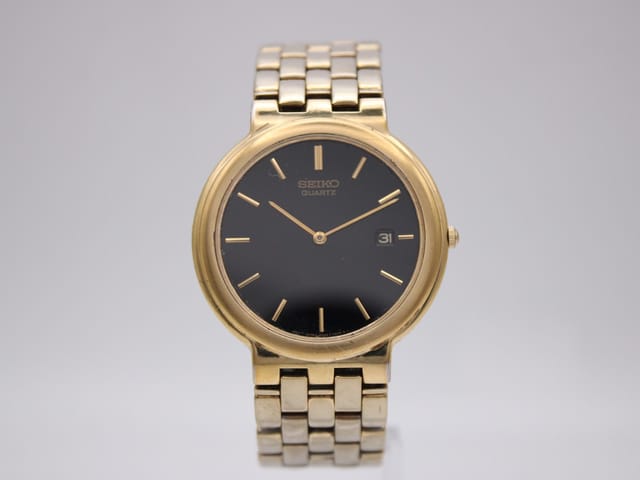
| Seiko | 1980s quartz dress watch | Quartz | £45 to £90 |
| Citizen | 1970s automatic, 8200 calibre | Automatic | £70 to £130 |
| Citizen | 1990s Eco-Drive | Solar quartz | £60 to £120 |
| Tissot | 1980s and 1990s Swiss quartz dress | Quartz | £90 to £180 |
| Rotary | Mid-century gold-plated dress watch | Manual or quartz | £50 to £110 |
| Certina | DS-era dress and sports models | Manual or quartz | £90 to £180 |
| Roamer | 1960s and 1970s dress models | Manual | £60 to £140 |
| Lorus / Casio | 1980s and 1990s everyday pieces | Quartz | £25 to £70 |
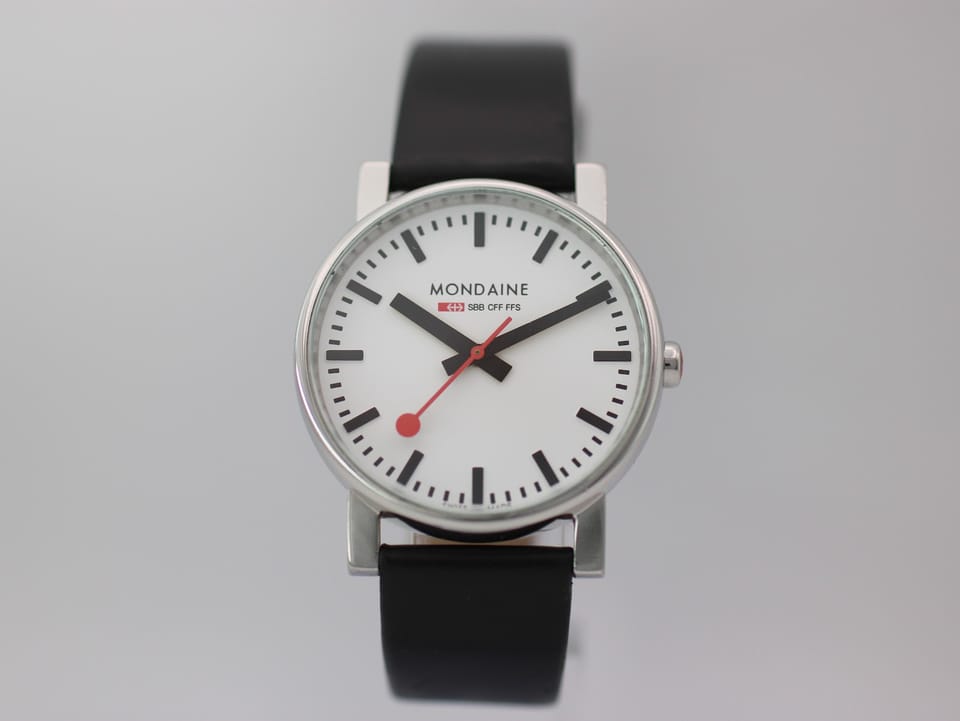
Seiko: the obvious first stop
No brand offers more watch for the money in this bracket. The Seiko 5, made continuously since 1963, is an automatic with a day-date, an in-house movement and a build quality that shrugs off decades. It is the single most sensible first vintage watch anyone can buy.
Two calibres do most of the work. The 7009, used through the late 1970s and 1980s, is a 17-jewel automatic that turns up in an enormous variety of dials and cases, and clean examples sit at roughly £85 to £160. The 7S26, which followed it from 1996, is the same idea brought up to date: 21 jewels, utterly dependable, and cheap to have serviced. Neither hacks, meaning the seconds hand cannot be stopped for precise setting, which matters far less in practice than it sounds.
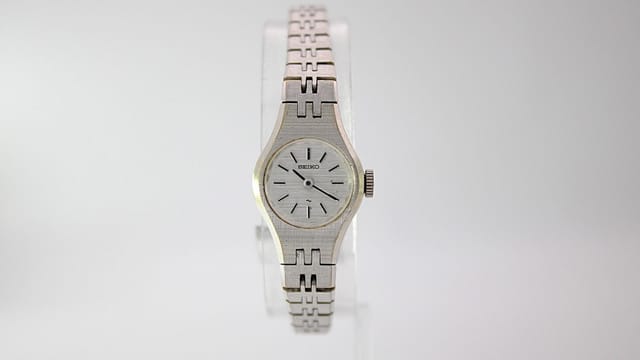
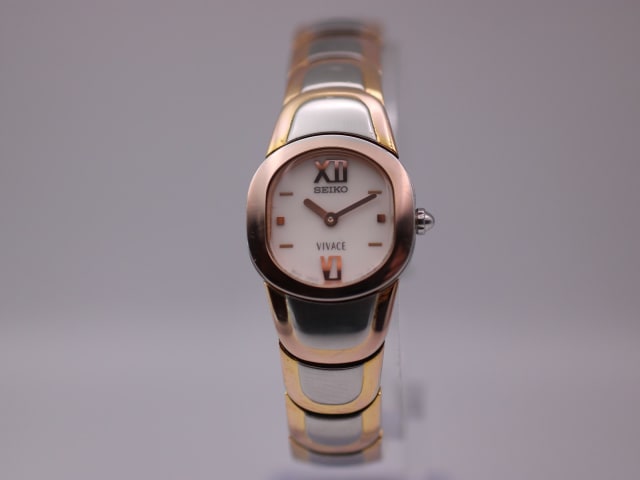
If you want something with more character, the Bell-Matic 4006 adds a mechanical alarm and a wonderfully period 1970s look. Good ones start around £160 and climb past this bracket quickly. Below all of it sits the quartz range: 1980s Seiko dress watches with slim cases and neatly printed dials, frequently under £90, and every bit as reliable as the automatics. Our full guide to vintage Seiko movements covers what each calibre number actually means.
One honest caveat. The vintage Seiko divers everybody wants, the 6309 and the 6105, have long since left this price bracket. A genuine, unmolested 6309-7040 is now £250 to £450, and anything advertised as one at £120 deserves real suspicion. Under £200 you are buying Seiko's everyday excellence, not its cult references, and the everyday excellence is the better deal.
Citizen and the Japanese alternatives
Citizen made superb automatics and some of the best early quartz, often at prices below equivalent Seikos simply because fewer people are looking. The 8200 automatic calibre of the 1970s is the direct rival to Seiko's 7009, similarly robust and similarly well supported, and it usually sells for £20 or £30 less for no reason other than name recognition. That gap is the closest thing to free money in budget vintage collecting.
Citizen's other contribution is Eco-Drive, a quartz movement charged by light rather than a battery. 1990s examples run from about £60, and because there is no cell to leak, they tend to have survived storage better than conventional quartz. If you want the least possible maintenance, this is where to look.
Lorus and Casio fill out the budget end. Lorus is a Seiko group brand, which means group reliability at £25 to £70, and a vintage Casio has genuine period charm alongside a reputation for durability that is entirely earned. Neither will impress a collector, but both keep good time and neither pretends to be something it is not.
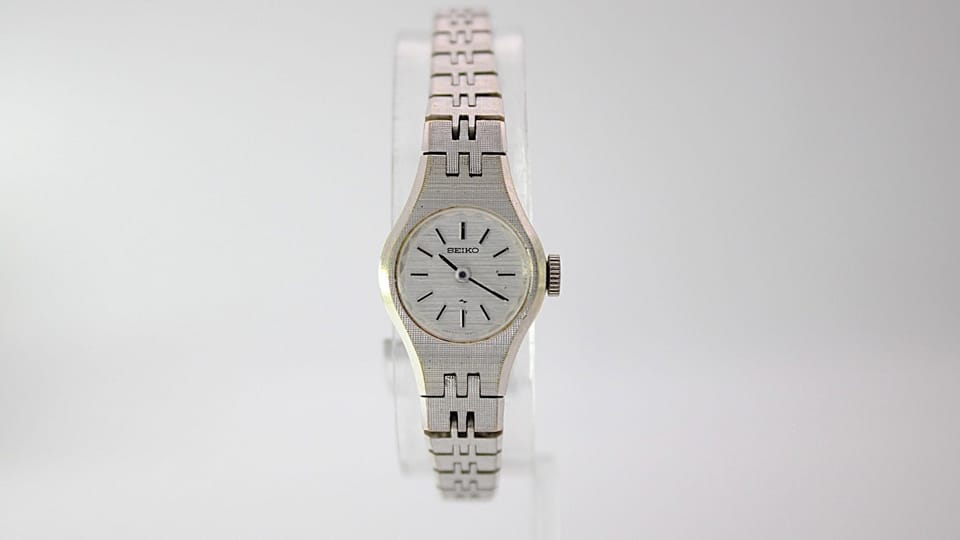
Swiss names under the radar
Swiss does not have to mean expensive. What it usually means under £200 is quartz rather than mechanical, and a name that never had a marketing budget to match its engineering.
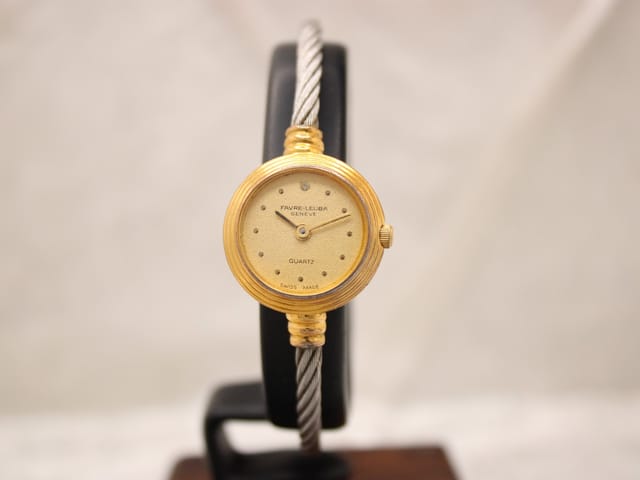
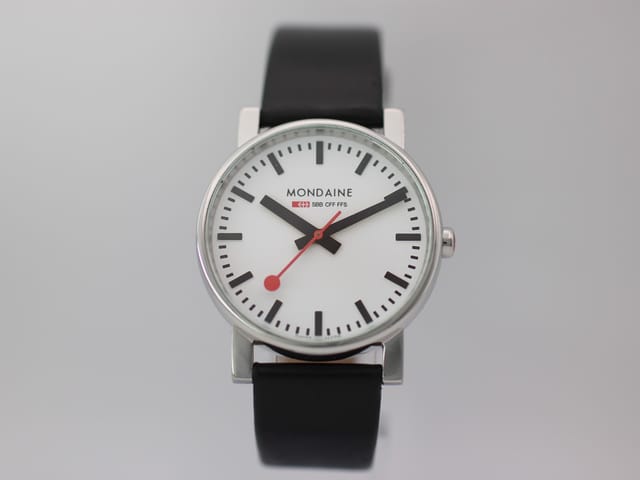
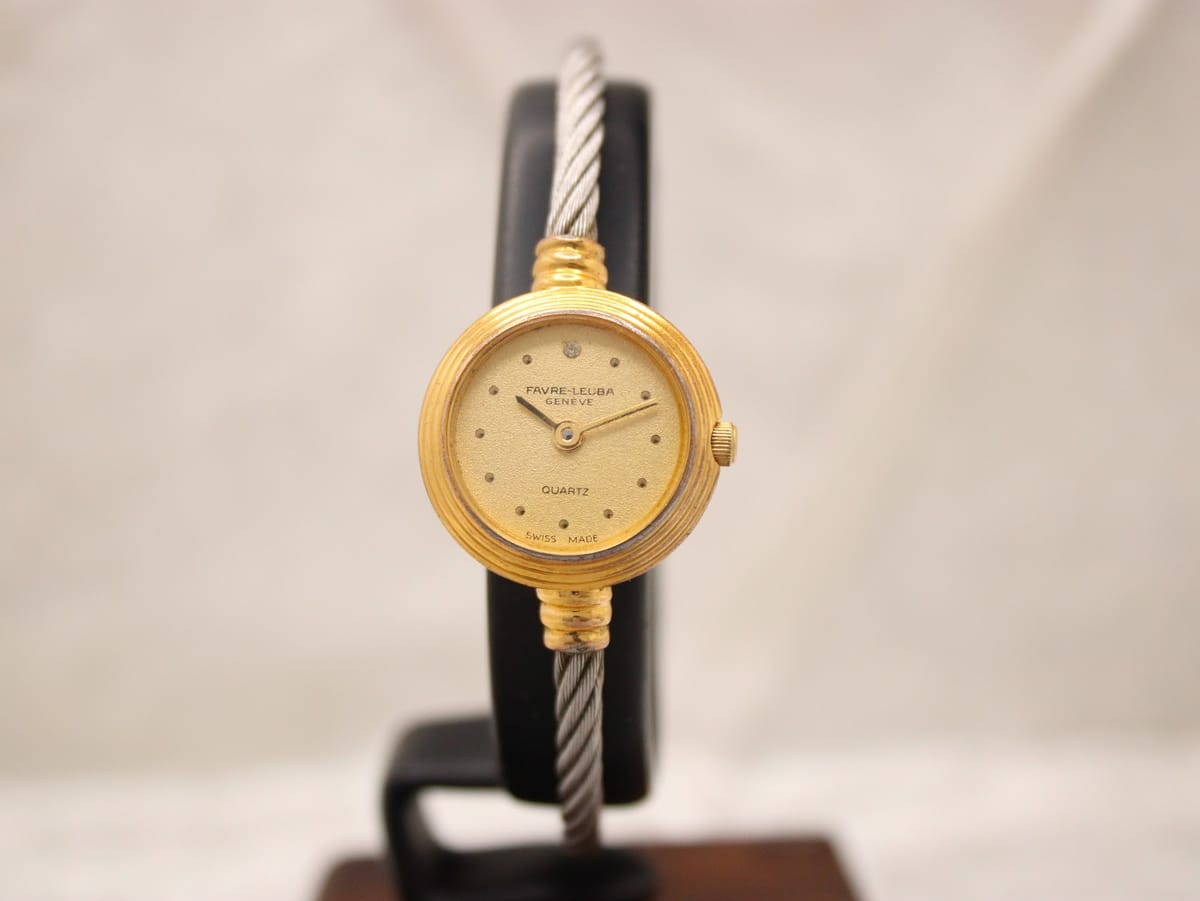
Rotary has over a century of history and made handsome gold-plated dress watches that sit comfortably at £50 to £110. Vintage Tissot watches from the 1980s and 1990s frequently slip under £180, bringing a genuine 1853 Swiss house with them, and our guide to the best vintage Tissot watches to buy sets out which models are worth the money. Certina, whose DS models were properly engineered sports and dress watches, and Roamer, once one of the largest Swiss exporters, both reward anyone willing to look past the famous logos.
One outlier worth knowing about. Vintage Gucci watches are Swiss-assembled quartz dress pieces, made under licence in Switzerland from 1972 rather than in Florence, and most references sit at £110 to £185. Enthusiasts dismiss them as fashion, which is exactly why they are good value, and our guide to the best vintage Gucci watches to buy explains which references to look for and the plating wear that decides a good one from a bad one.
The trade-off is worth stating plainly. A Swiss mechanical watch in good order rarely sells under £200, so at this level you are generally choosing between Japanese mechanical and Swiss quartz. Both are good buys. Which is right depends on whether you want the movement or the heritage, and our guide to quartz, automatic and manual movements sets out what each is like to live with.
What £200 does not buy
It is worth being clear about the ceiling, because a good deal of budget advice online quietly is not. Under £200 you will not find a genuine vintage Omega, Longines or Rolex in original condition. You will not find a serviced vintage chronograph. You will not find a mechanical diver from a name brand with its original bezel and dial intact.
What you will find advertised at that price are redialled watches, franken pieces assembled from parts of different eras, and quartz watches described as automatic by sellers who have not checked. If a listing shows a famous name at a price that seems impossible, the price is telling you the truth and the name is not. Knowing how to date a vintage watch is the fastest defence against all three.
How to buy well at this level
The rules are the same at £150 as at £15,000. Buy the dial first: it is the one component that cannot be restored authentically, and a redial destroys both character and value however tidy it looks. Confirm the movement runs properly, ideally on video, winding smoothly with a clean sweep or a crisp step. Then buy from a seller who describes condition honestly, including the parts that are not flattering.
Budget for what comes next. At this price a recent service is rare, and a full service runs £80 to £200 for most vintage pieces, which can exceed the watch itself. That is not a reason to avoid the bracket, only a reason to favour watches that have been inspected, tested and are running well now, and to treat 'ran when last worn' auction listings with real caution. Our guide to caring for a vintage watch covers what a watch at this age actually needs, and what will damage it.
Finally, assume no water resistance. Gaskets harden over forty years, and a 1978 watch rated to 30 metres is not a 30 metre watch today.
Where to buy
Every watch in our own under £200 collection has been bought individually, inspected and tested in London, and photographed exactly as it is, with any wear described rather than cropped out. Quartz pieces get a fresh battery, mechanical pieces are wound and run, and the estimated year is worked out from the serial and calibre rather than guessed.
It is the corner of our collection we are quietly proudest of, because it is where most people's collecting begins. Free UK delivery and 14-day returns apply to all of it, so a watch you have only seen in photographs can be tried on your own wrist before you commit.
Frequently asked questions
What is the best vintage watch under £200?
For most people it is a 1970s or 1980s Seiko 5 automatic, typically £85 to £160. It has an in-house automatic movement with a day-date, proven durability across five decades, and parts that are still readily available. If you would rather not deal with a mechanical movement at all, a 1980s Seiko or Tissot quartz dress watch at £45 to £180 is the easier alternative.
Are cheap vintage watches worth buying?
Yes, provided you buy condition rather than a name. Japanese and Swiss makers produced enormous numbers of well-engineered watches in the 1970s and 1980s, and those survived in quantity, which is precisely why they remain affordable. A £120 Seiko 5 in honest condition is a far better object than a £120 watch carrying a famous name it should not carry at that price.
Is a vintage Seiko 5 a good first watch?
It is the most sensible first vintage watch there is. The movements are forgiving and cheap to service, the range runs to thousands of dial variations so you can find one you actually like, and if vintage collecting turns out not to suit you, a Seiko 5 bought sensibly loses very little of its value.
Can you buy a vintage Swiss watch for under £200?
Yes, but generally quartz rather than mechanical. Tissot, Rotary, Certina and Roamer all sell in this bracket, mostly as quartz dress watches from the 1980s and 1990s at £50 to £180. Swiss mechanical watches in good working order rarely sell under £200, and a famous Swiss name offered at that price is usually a warning rather than a bargain.
Do vintage watches under £200 need servicing?
Eventually, yes. A mechanical watch wants a service every five to eight years, at £80 to £200 for most vintage pieces, and quartz needs a battery every two to three years. Buy a watch that is inspected, tested and running well now, and you can put a service off for some time. Never assume a watch at this price has been recently serviced unless the seller says so explicitly.
Where is the safest place to buy a vintage watch under £200?
From a seller who inspects and tests stock before listing it, photographs the actual watch rather than a stock image, describes wear honestly, and offers returns. Auction sites can be excellent value if you know what you are looking at, but at this price the margin for error is small and 'untested, sold as seen' listings carry the whole risk on the buyer.