The quartz revolution: why 1970s watches matter
The 1970s is the most consequential decade in watchmaking history, and arguably the most misunderstood. The 'quartz crisis' is only part of the story.
The 1970s is the most consequential decade in the history of watchmaking, and arguably the most misunderstood. Collector attention tends to land on the 1960s, the decade of space-age design and great automatics, or on the 1980s, with its bold fashion watches. The 1970s usually gets boiled down to one phrase, 'the quartz crisis', a period of disruption and decline. That misses almost everything that makes the decade interesting.
The Seiko Astron moment
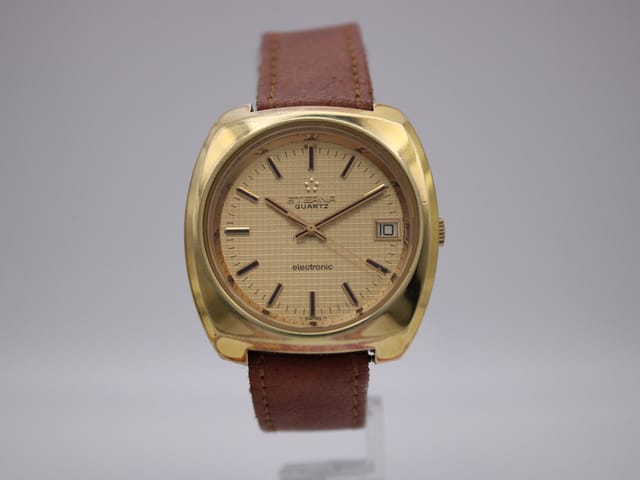
On Christmas Day 1969, Seiko released the Astron, the world's first quartz wristwatch, accurate to within five seconds a day. It cost about as much as a small car, but the technology worked. Swiss manufacturers, who had run the watch industry for more than a century, brushed quartz off as a novelty.
They were wrong. Within three years, quartz movements were accurate to within seconds a month, and by the mid-1970s the price had dropped to within reach of ordinary buyers. The structural advantages of Swiss mechanical watchmaking, the accumulated expertise, the supply chains, the famous names, were no defence against a technology that was both cheaper and more accurate.
What it meant for Swiss manufacturers
The numbers tell the story bluntly. Swiss watch exports fell by more than 40 per cent between 1974 and 1983. Employment in the industry roughly halved. Brands that had existed for over a century faced genuine existential threats. Many were absorbed, restructured, or wound down.
But the crisis had an unintended consequence. Swiss manufacturers under severe pressure had no choice but to make good decisions. The watches produced in the 1970s represent, in many cases, their finest mechanical work: the last automatics made by companies that knew the game was changing, built with the accumulated craft of generations.
The mechanical survivors
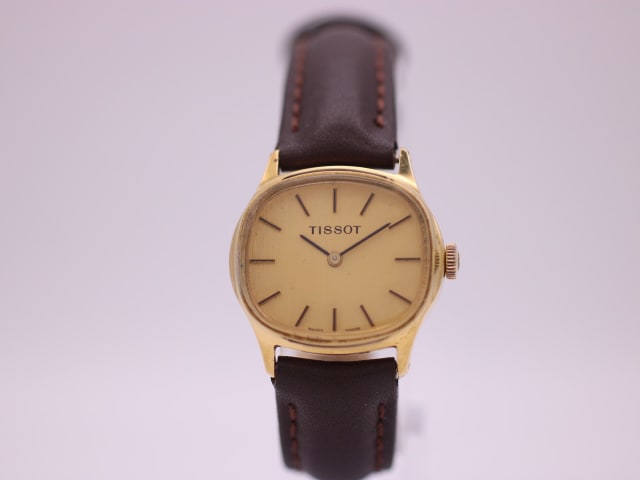
The watches that came out of Swiss workshops between 1970 and 1978 are disproportionately good. Longines made arguably its finest automatic dress watches in these years, thin, beautifully finished, using movements refined over decades. Tissot, Omega and Raymond Weil all produced references in the early 1970s that sit at the very peak of their mechanical output, and most of them still sit under £500.
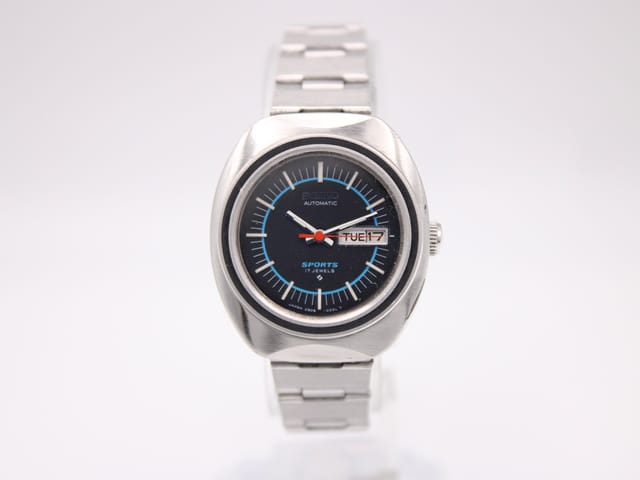
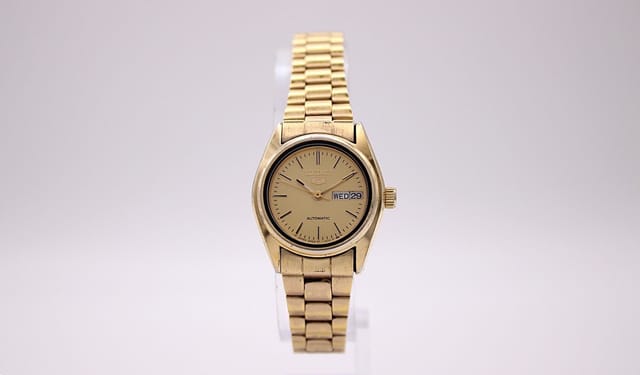
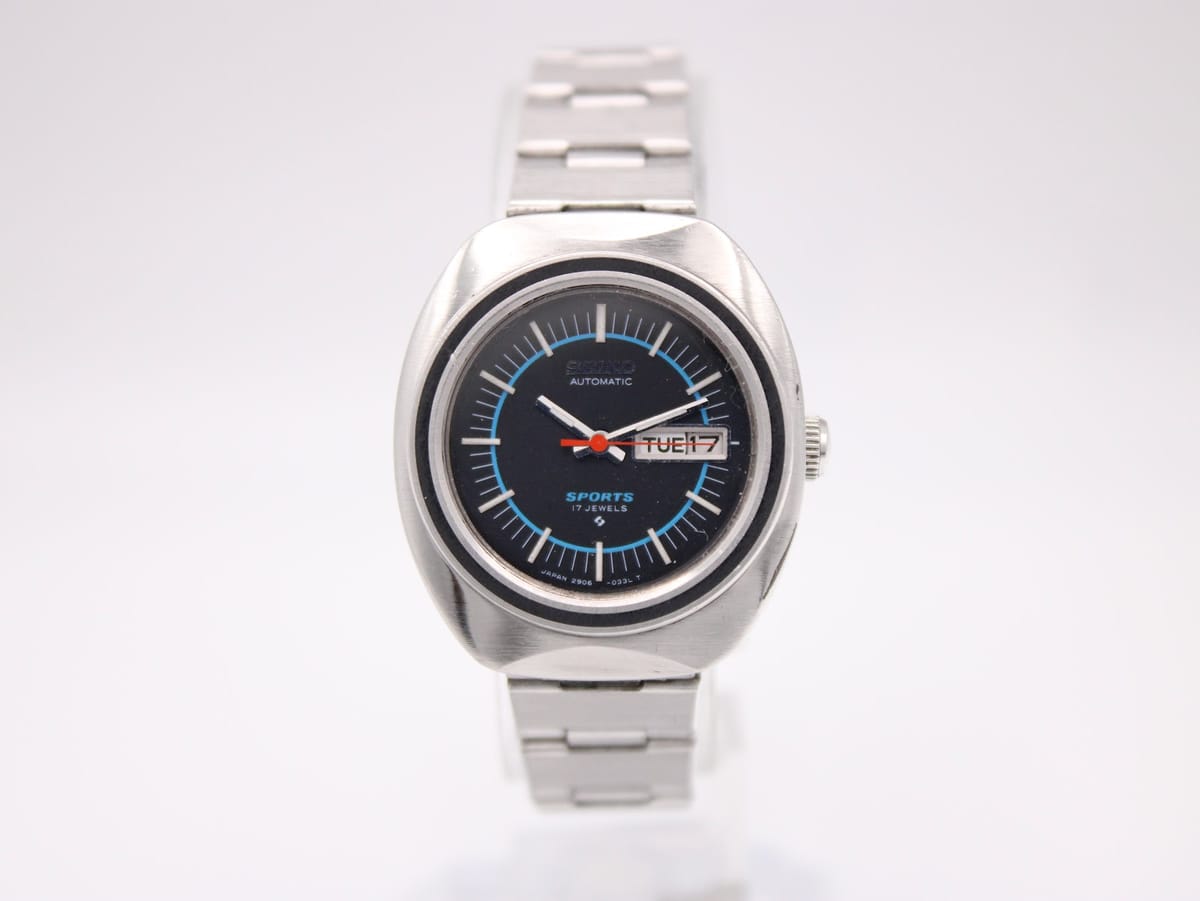
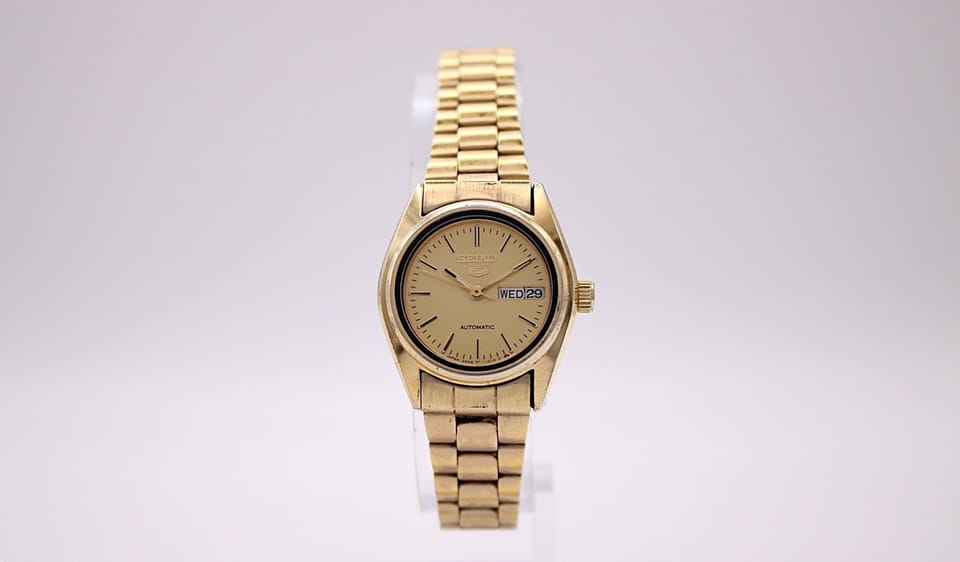
Japanese manufacturers were thriving. Seiko's response to its own quartz breakthrough was to accelerate mechanical development simultaneously: the King Seiko and Grand Seiko references of the early 1970s, the 6105 divers, and the Seiko 5 automatics of this period are among the finest Japanese watches ever made.
Why 1970s watches matter now
There are practical reasons to care about 1970s watches. Parts are generally available. Movements are well documented. Servicing costs are manageable. And for most references the prices are still reasonable, because the collector market has not yet fully caught up with how good the decade's output was.
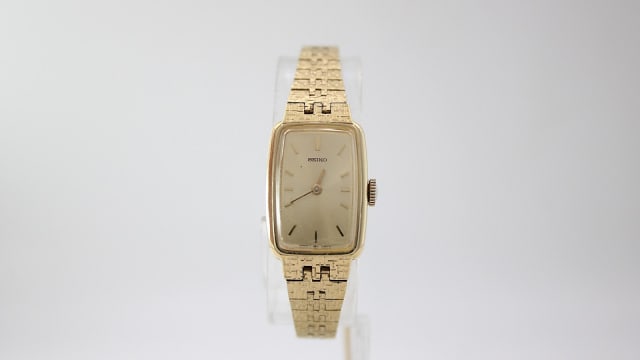
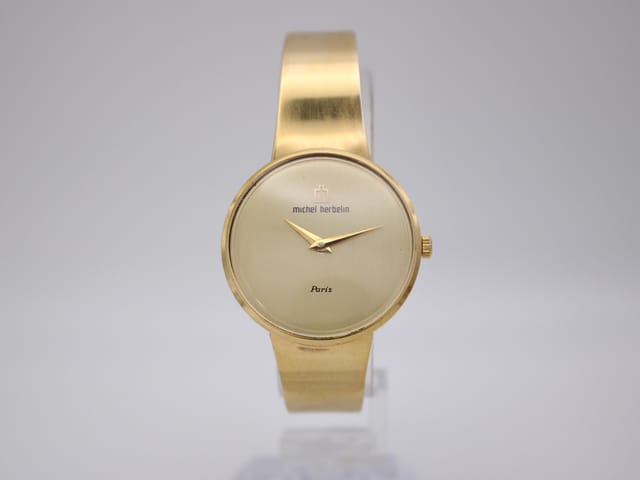
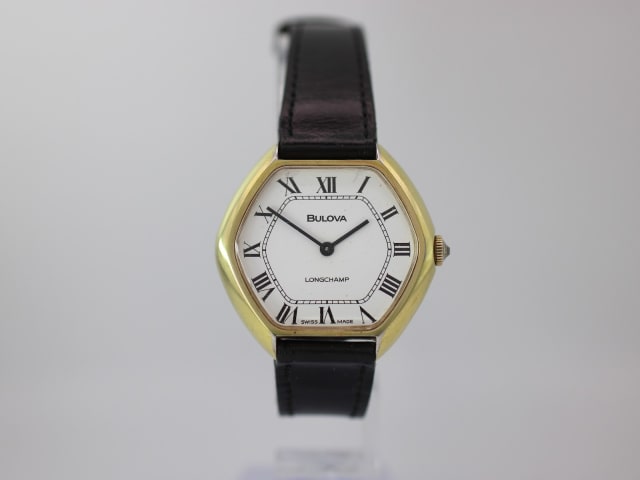
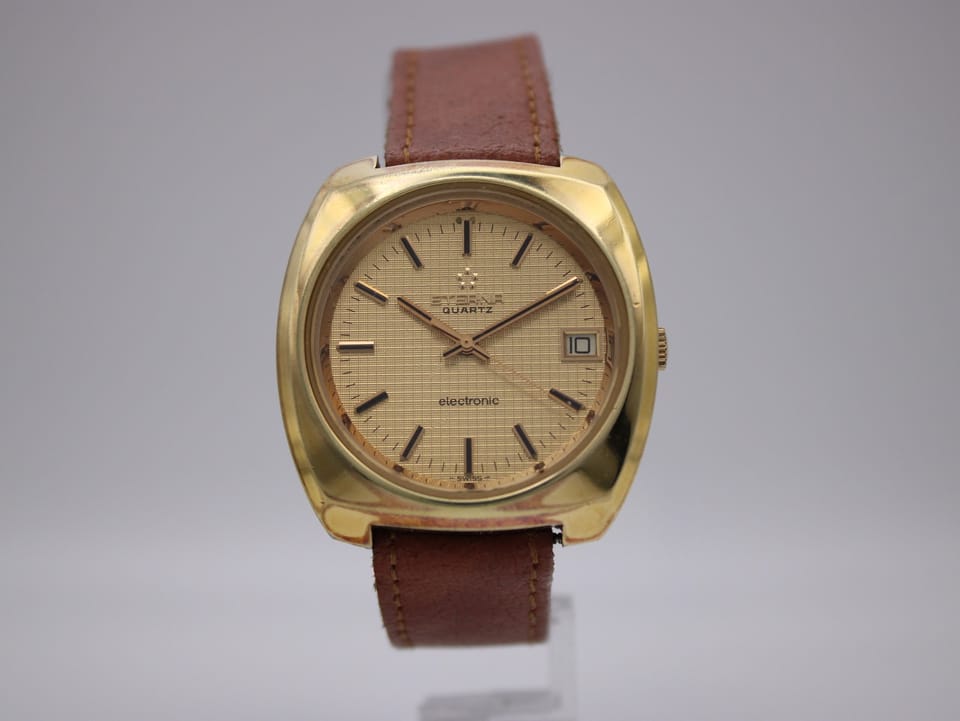
There is an aesthetic case too. 1970s watches look different from 1960s ones, and different again from the 1980s. The decade has its own visual language of integrated bracelets, angular cases, sector dials and that earthy palette you start seeing everywhere once you look for it, and it is a language that rewards getting to know.
The 1970s produced watches that represent the end of one era and the beginning of another. That makes them historically interesting. That they are also beautiful, functional objects makes them worth wearing.