5% off every watch with code LWM5. See terms

Free UK delivery · Free worldwide tracked shipping
LWMLondon Watch Market
Basket
Pre-Owned & Vintage Timepieces
Stopwatch complications with character

Vintage chronograph watches.

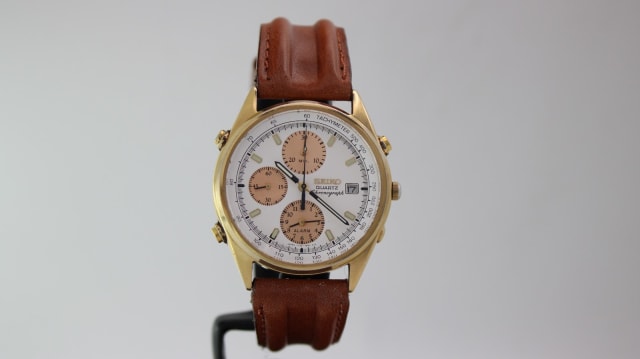
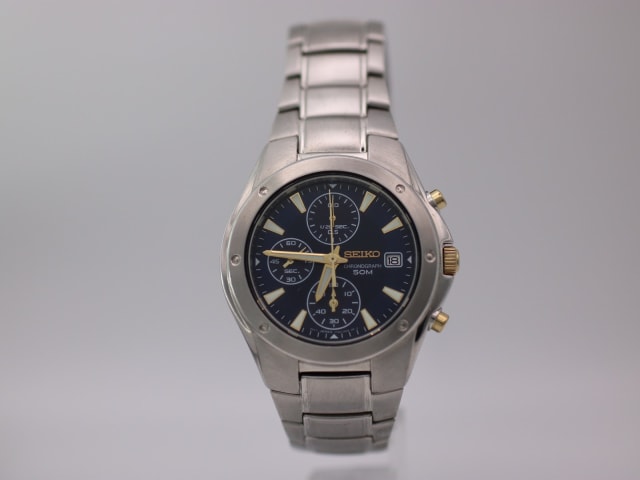
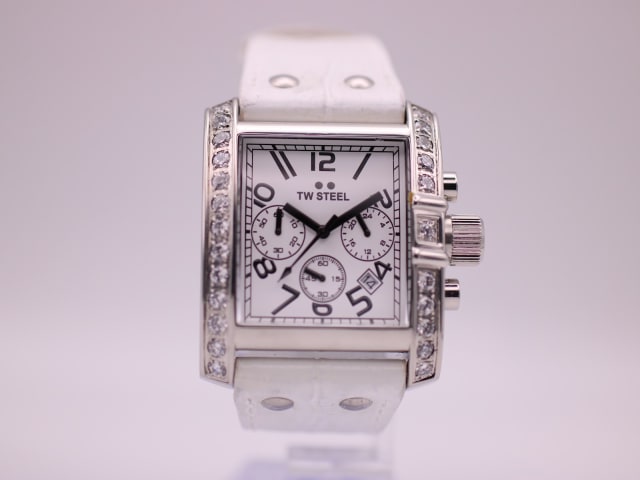
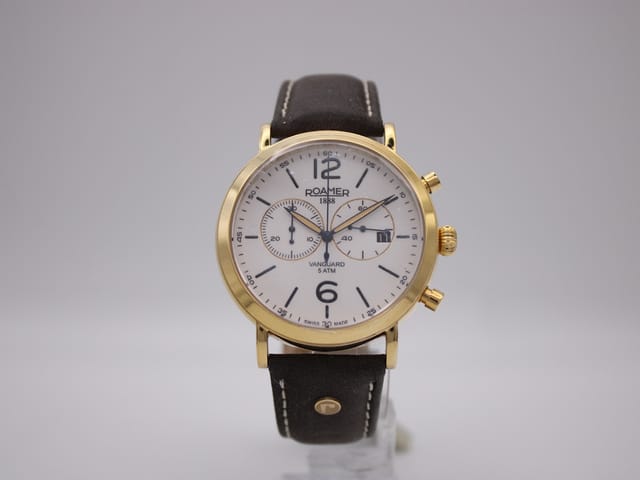
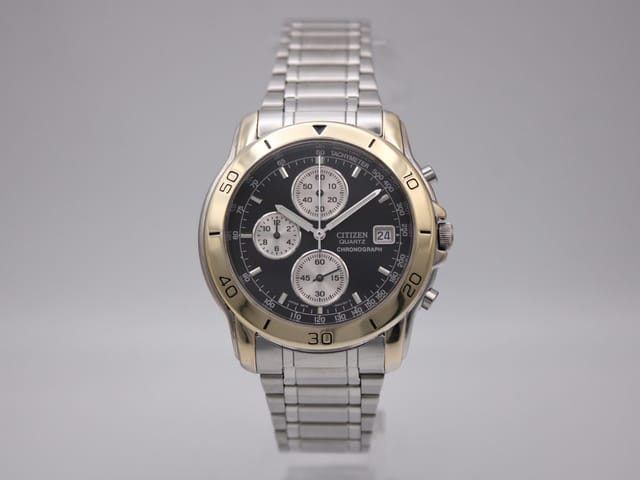
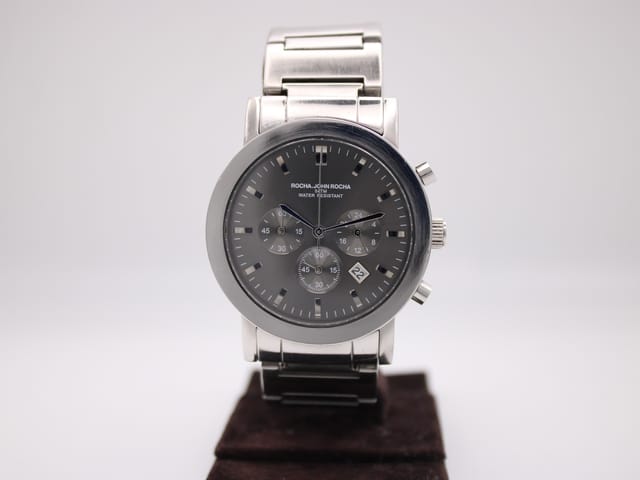
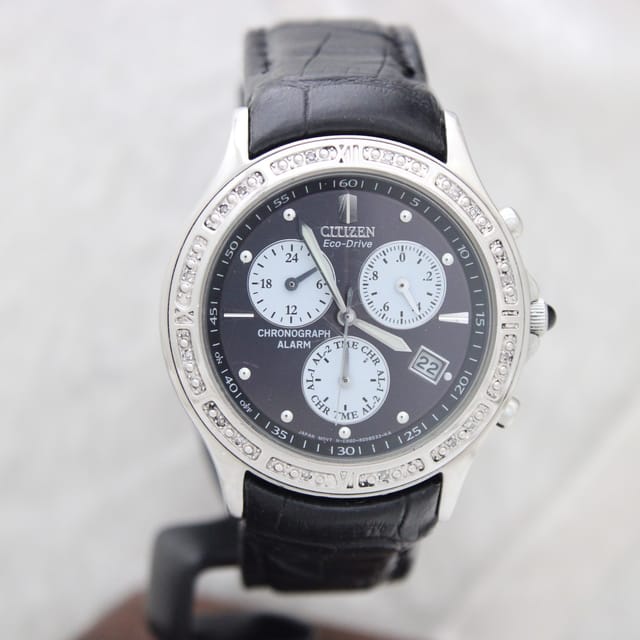
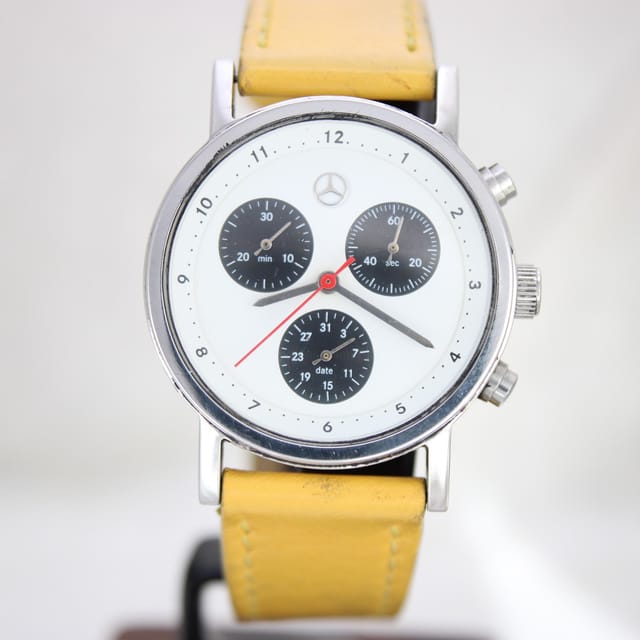
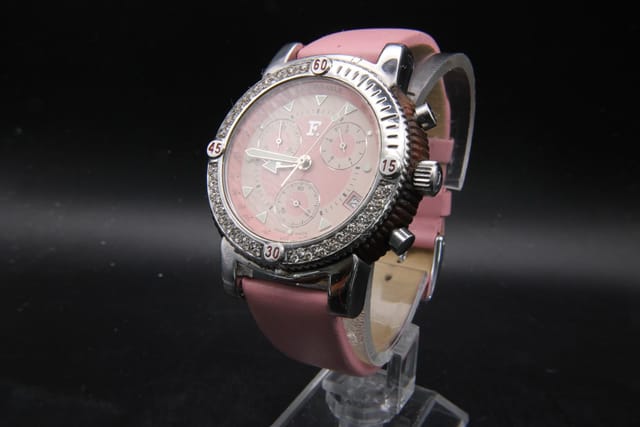
The chronograph is one of watchmaking's great complications: a stopwatch built into a wristwatch, operated by pushers and measured in fractions of a second. Vintage chronographs are among the most sought-after pieces in the collector market, combining mechanical ingenuity with bold, purposeful dial design. Our selection spans the classic era of the 1960s through to the more accessible quartz chronographs of the 1990s and 2000s, each tested to confirm the complication is functioning correctly.

14
In our collection
9
Available now
14 days
Returns window

More collections by style

See all collections in one place →

Browse a different way

How a chronograph works

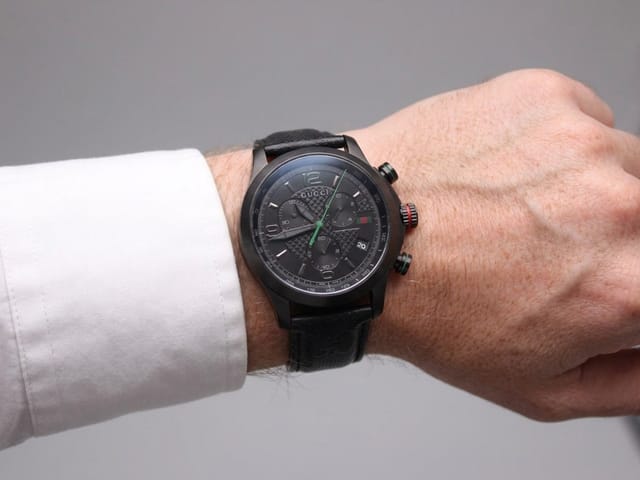
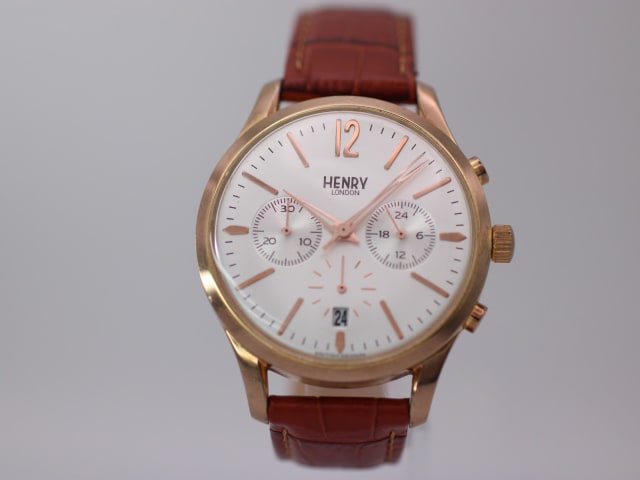
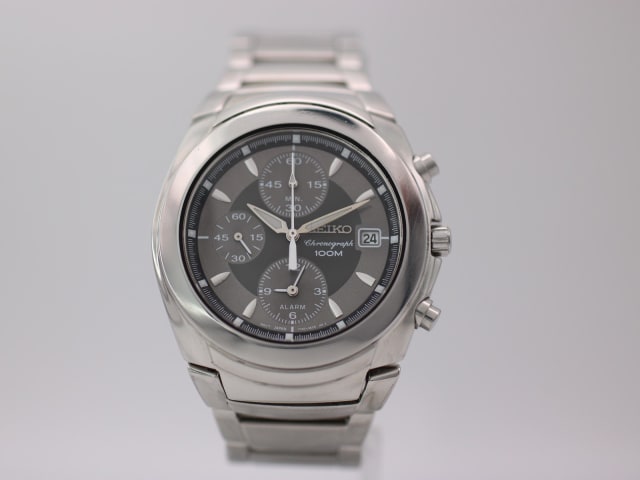
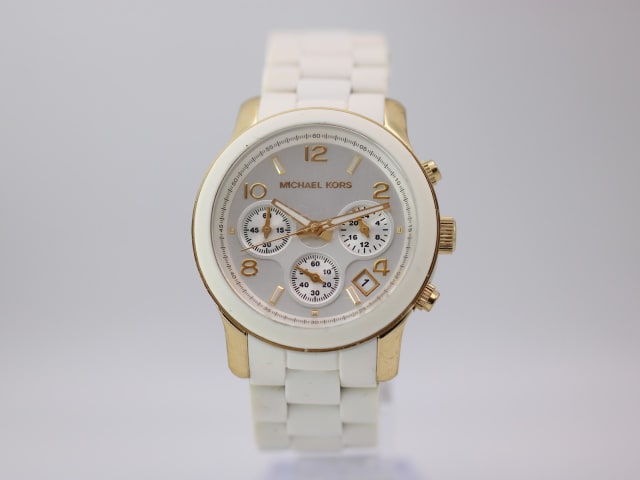
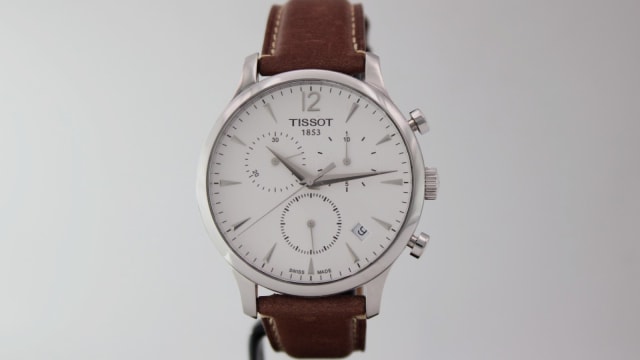
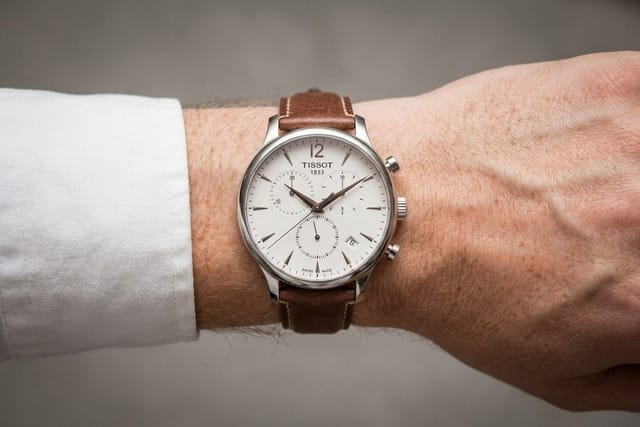
A chronograph is a stopwatch built into a watch. The upper pusher starts and stops the sweep hand, the lower one returns it to zero, and the small sub-dials count the elapsed minutes and sometimes hours. Everything else on the watch carries on telling the time independently, which is the part that makes it a genuine complication rather than simply a second mechanism in the same case.

The word gets confused with chronometer often enough to be worth separating. A chronograph is a function, the stopwatch. A chronometer is a certification for accuracy, awarded after testing. A watch can be one, both or neither, and the two words describe entirely different things.

Mechanical and quartz, and what each is worth

Mechanical chronographs from the 1960s and 1970s are the collector's end of the field, and priced accordingly. The quartz chronographs that followed from the 1980s onwards are a different and much more accessible proposition: accurate, robust, and often far better made than their current prices suggest. Most of what passes through here belongs to that later period.

Whichever it is, the thing to establish is that the complication actually works, because a chronograph with seized pushers is a considerably bigger job than a watch that simply needs a service. We test the pushers and the reset on every chronograph before listing it and say plainly what does and does not function.

Further reading
Buying guide · 8 min readThe best vintage watches under £500£500 is where vintage collecting gets genuinely interesting: Swiss mechanical watches, real chronographs and the Seiko references collectors chase.

Frequently asked questions

What is the difference between a chronograph and a chronometer?

A chronograph is a stopwatch function operated by pushers. A chronometer is an accuracy certification awarded after independent testing. They sound similar and mean quite different things: a watch can be a chronograph, a chronometer, both, or neither.

Do the chronograph functions work on these watches?

We test the pushers, the sweep hand and the reset on every chronograph before it is listed, and the listing states what works. Where a function is stiff or not operating we say so rather than leaving it for you to find, because chronograph repair is specialist work.

Is a quartz chronograph worth having?

Yes, and it is where most of the value in this field currently sits. Quartz chronographs from the 1980s and 1990s are accurate, hard-wearing and often well finished, and they are priced far below their mechanical equivalents despite doing the same job more precisely.
Looking for something specific? We're happy to help you find it.

Get in touchAll collections