A beginner's guide to vintage Seiko movements
Seiko produced more distinct movement calibres than almost any other manufacturer. Here is what the numbers mean and which to seek out.
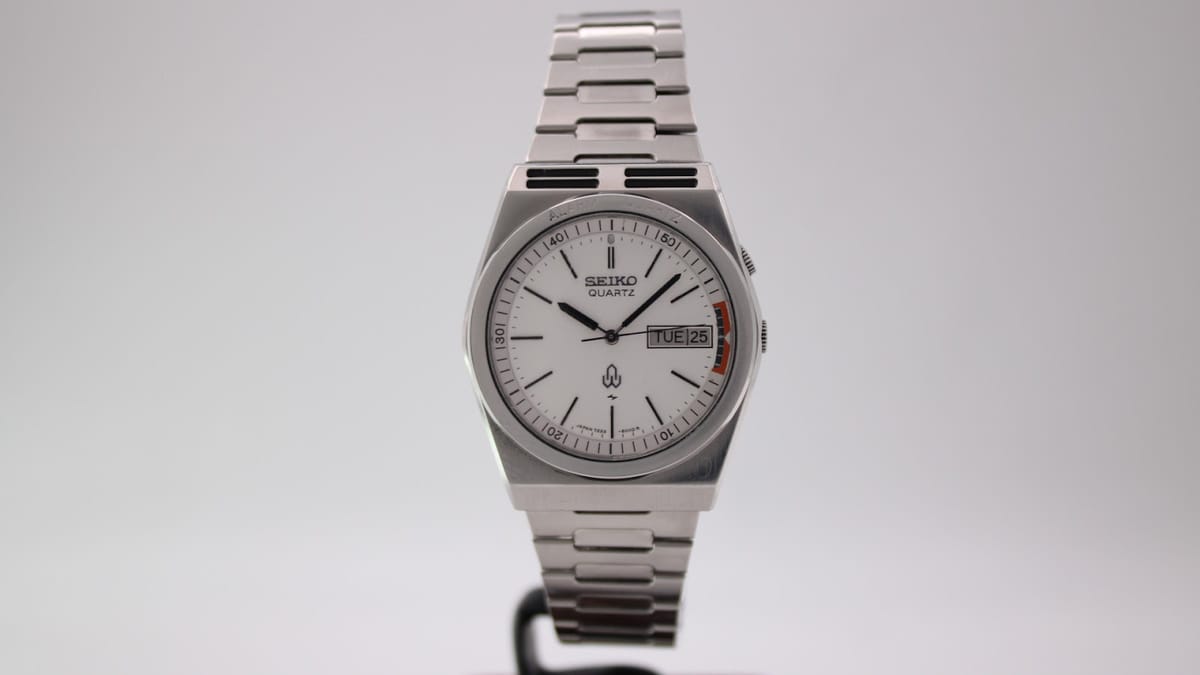
Seiko produced an extraordinary number of movement calibres over the twentieth century, by some counts more distinct movements than any other single maker. For a new collector that breadth is both the appeal and the confusion. Which calibres are worth seeking out? What do the numbers actually mean? And how does a 7S26 differ from a 6309?
Why the movement matters
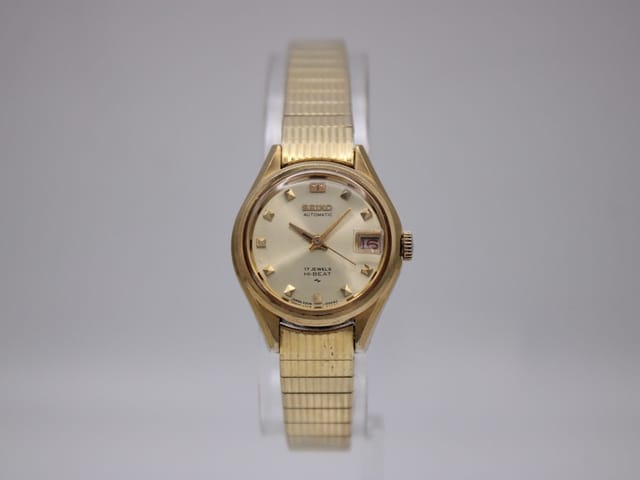
In vintage collecting, the movement is often the most important thing after condition. It decides how serviceable a watch is, meaning whether parts can be found and whether a local watchmaker will know their way around it, and it tells you about the era and the ambition of the piece. A high-beat automatic from 1968 says something quite different about Seiko's priorities than an entry-level quartz from 1983.
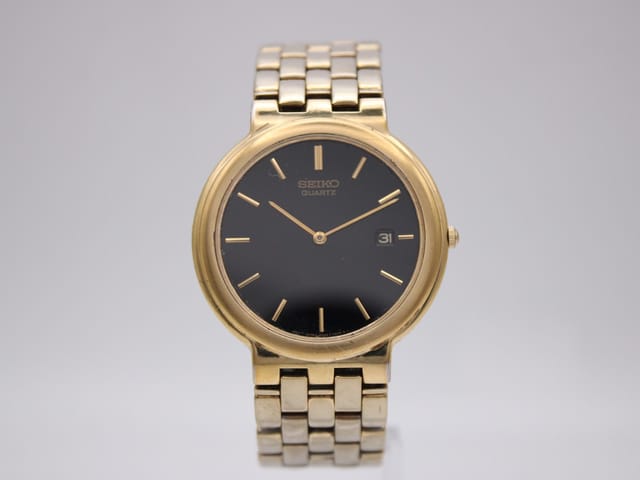
For practical purposes, the movement calibre also indicates likely service requirements. An automatic needs winding if not worn regularly; a quartz needs only a new battery every two to three years. For buyers new to vintage watches, quartz pieces offer a gentler introduction.
Key calibres to know
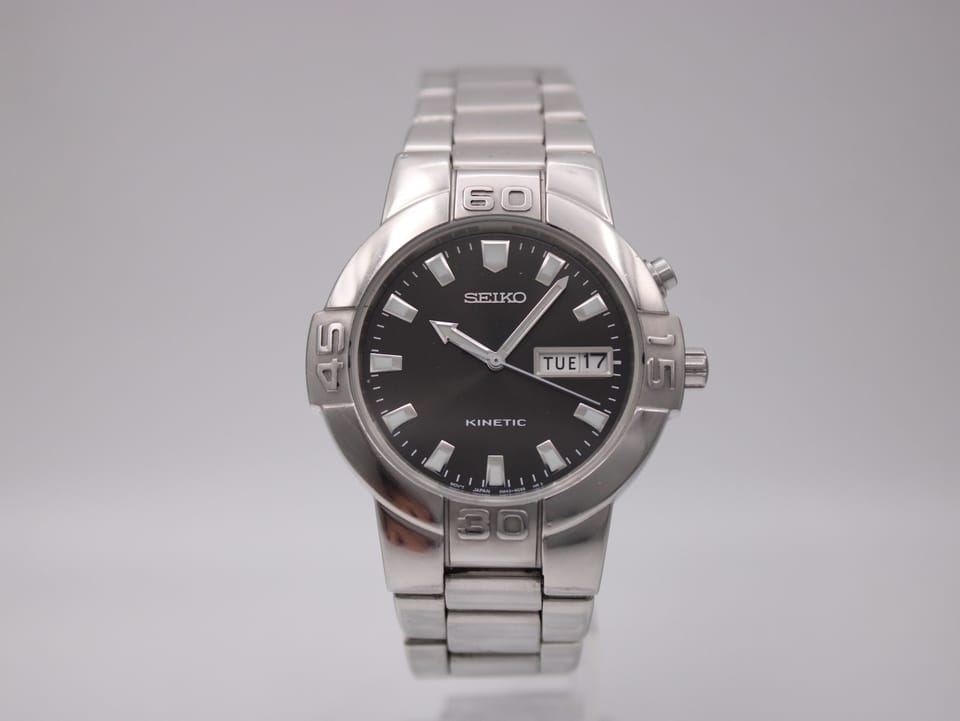
The 6309 is one of the most celebrated vintage Seiko movements, a 17-jewel automatic used in the 6309-7040 and 6309-7049 divers. Produced between 1976 and 1988, it is robust, well documented, and parts are still easy to come by. A 6309 diver in good condition is one of the best-value watches in all of vintage collecting.
The 7S26 is the movement behind decades of Seiko 5 automatics. It is reliable, cheap to live with, and non-hackable, which simply means the seconds hand cannot be stopped for precise time-setting. It is not a prestige calibre, but it is honest and durable, and it turns up in enormous variety across the Seiko 5 range.
The 6105 deserves a mention as the movement in the 6105-8110 and 6105-8000 divers, the watches famously worn in Apocalypse Now. They are highly sought after and priced accordingly, but the calibre is excellent: 17 jewels, 21,600 bph, a day-date, and water resistance that was exceptional for its era.
The 5606 and 5626 appear in the King Seiko and Grand Seiko ranges of the 1970s. These are finishing-grade movements produced to standards that rival much more expensive Swiss competition. A King Seiko with a 5626A movement represents exceptional value for the quality on offer.
What to check when buying
Ask for a running video. The movement should wind smoothly and the seconds hand should sweep or step cleanly. Listen for anything odd. A grinding feel when winding can mean a worn mainspring arbor, and irregular stepping on a quartz often points to a failing battery or coil.
Examine the case back if you can. Scratches from amateur case back removal, known as slot scars in the community, do not necessarily mean damage, but they are a cue to look more closely at the movement.
Where to start
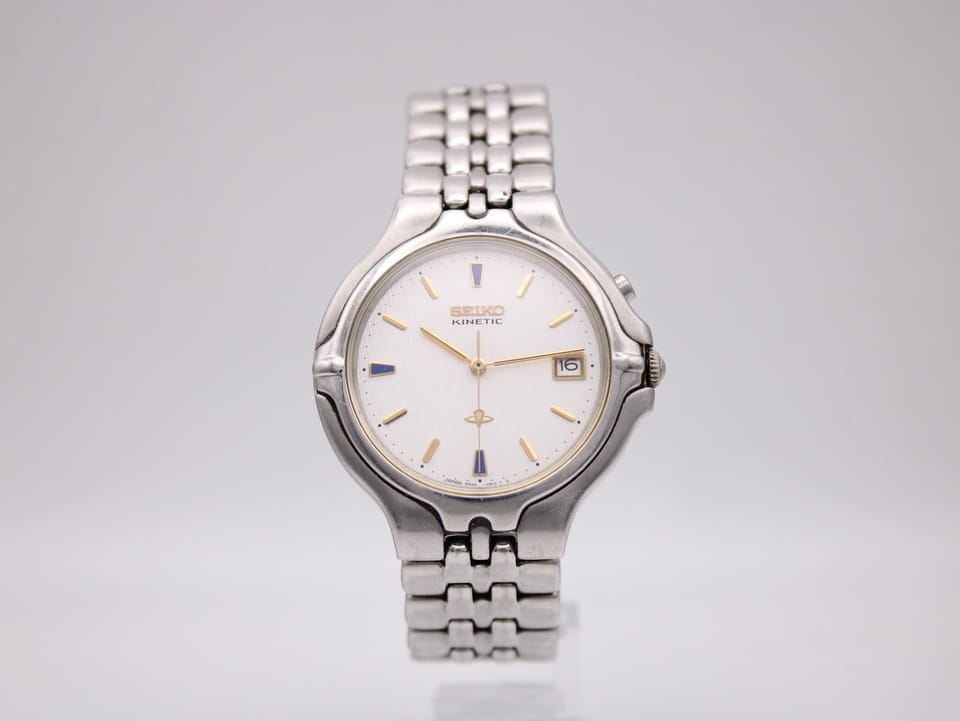
Start with the Seiko 5 range if you are new to the brand. The variety is enormous, the prices are reasonable, and the movements are forgiving. Once you have a feel for what pulls you in, whether that is divers, dress watches or field watches, the more specialist references become much easier to judge. Our shortlist of the best vintage Seiko watches to buy sets out which references are worth owning at each budget.
The vintage Seiko community is active and knowledgeable. Platforms like WatchUSeek and Reddit's r/Seiko have accumulated years of dating guides, service manuals, and reference threads that make researching a specific piece straightforward.