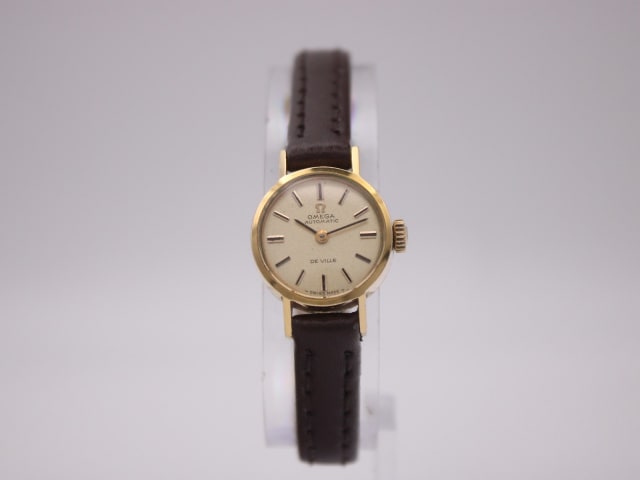
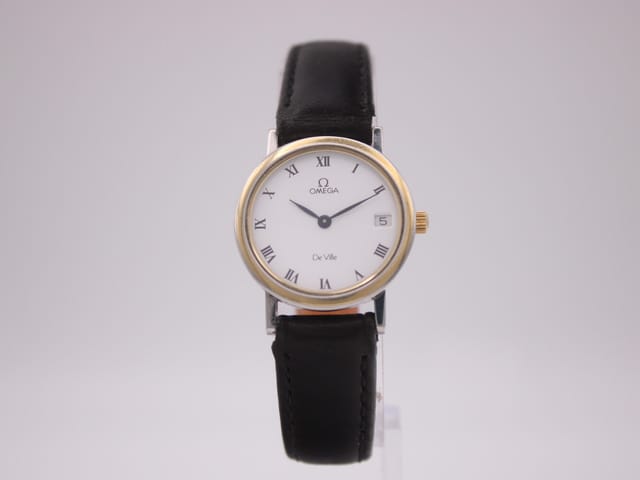
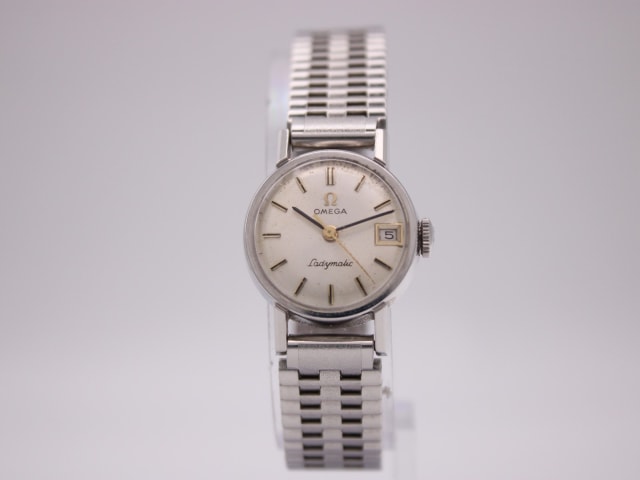
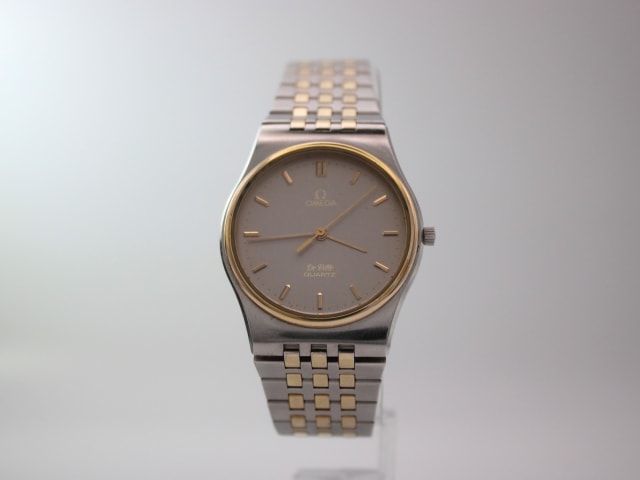
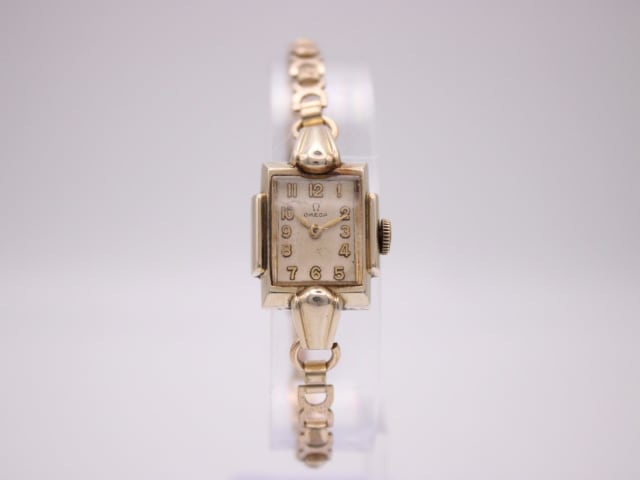
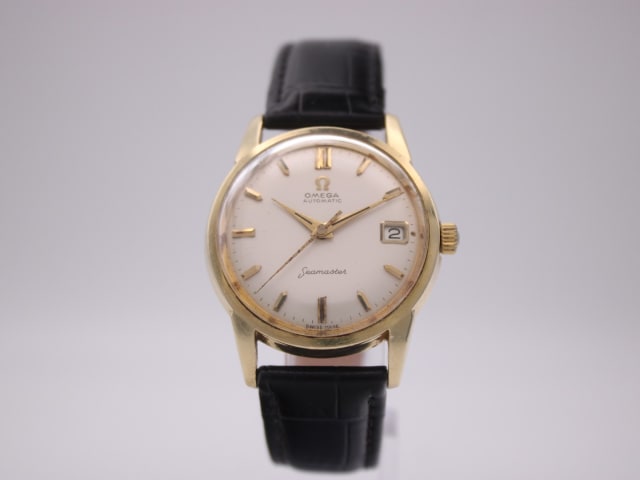
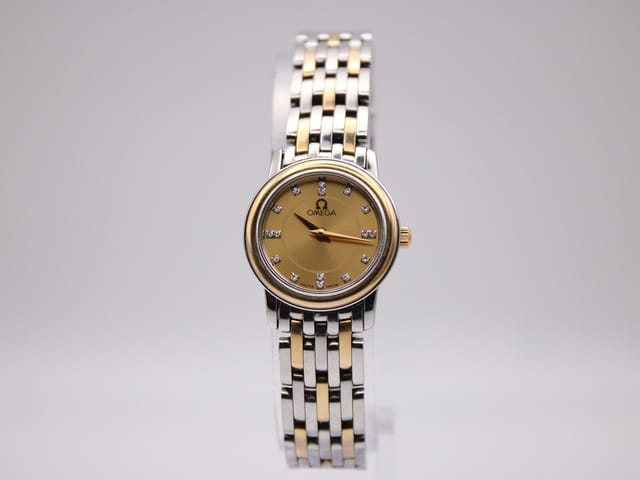
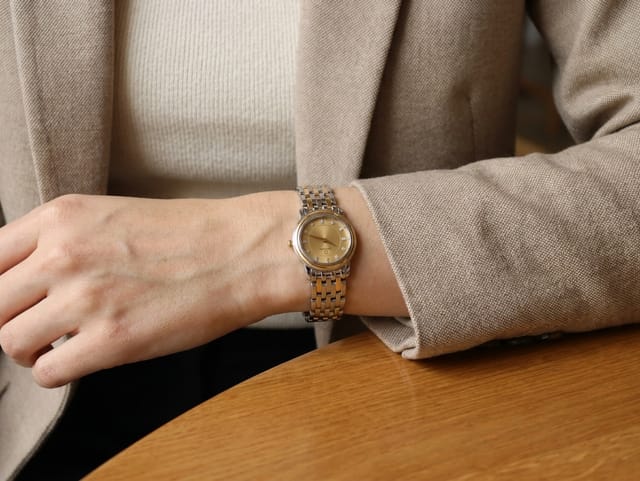
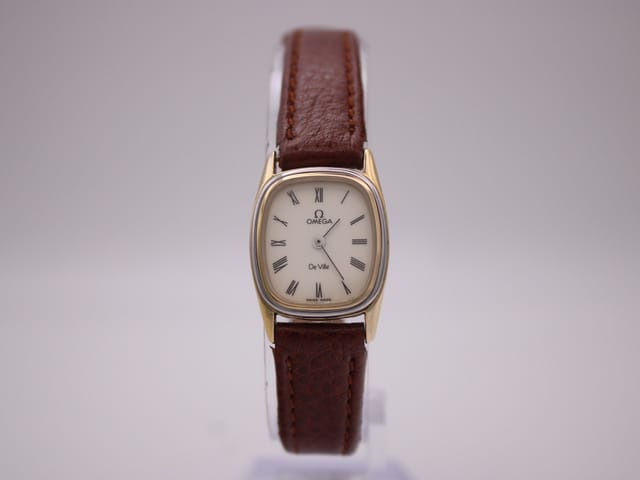
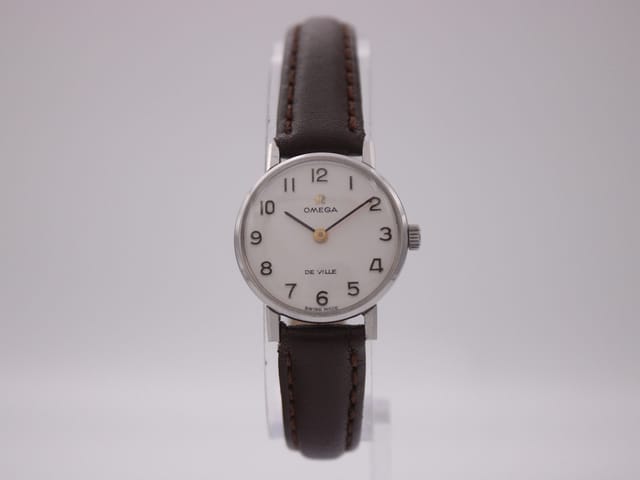
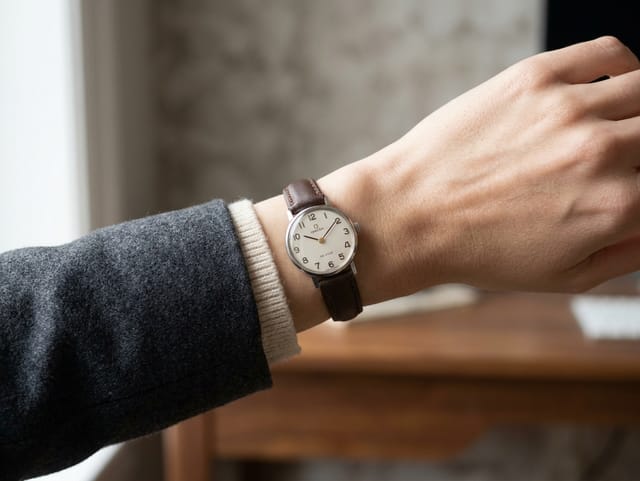
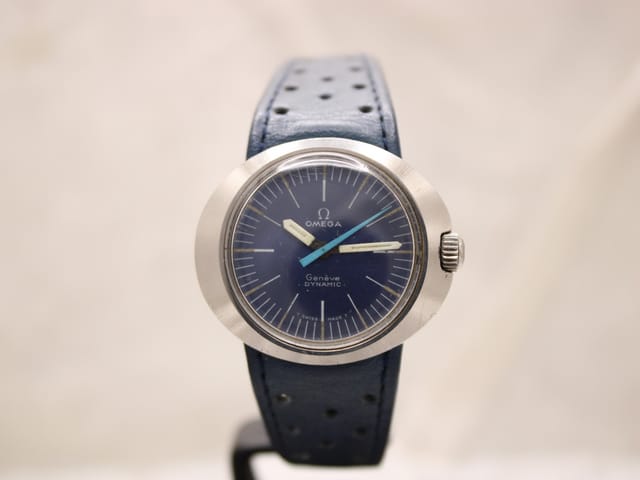
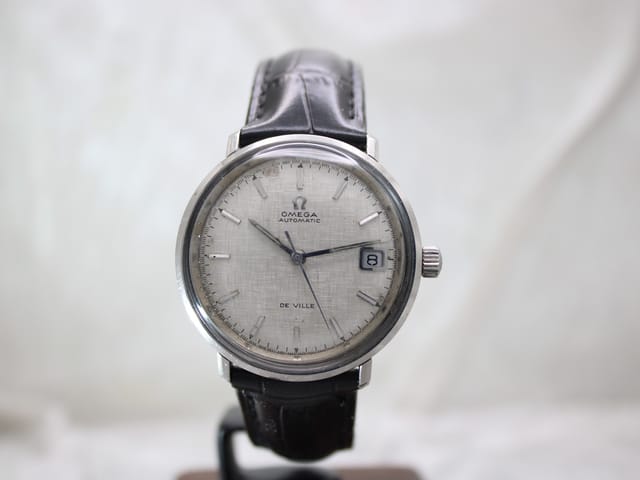
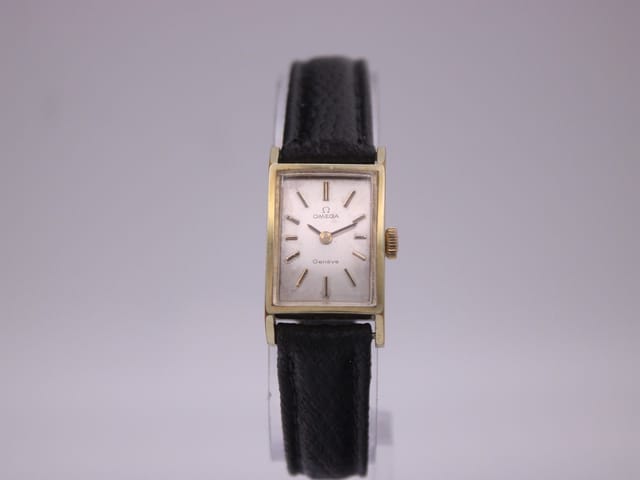
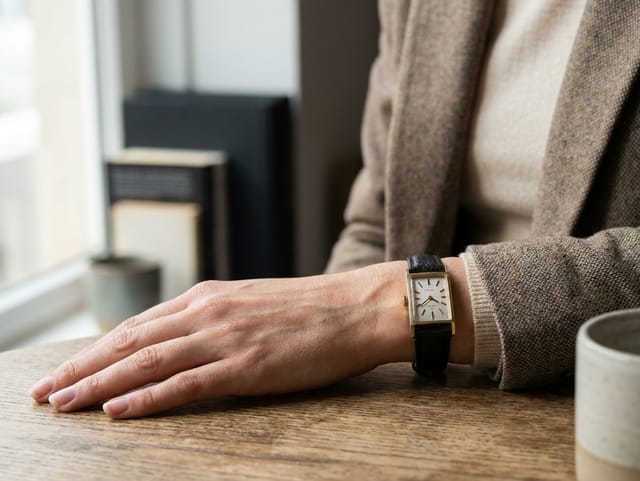
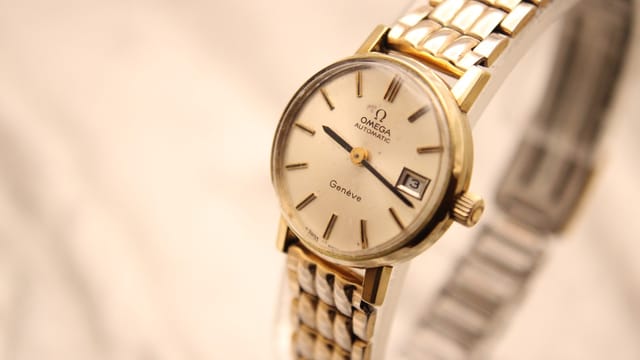
Vintage Omega watches.
Founded in La Chaux-de-Fonds in 1848, Omega is among the most prestigious names in Swiss watchmaking. It has been official timekeeper of the Olympic Games since 1932, and the Speedmaster was worn on the moon during the Apollo 11 mission in 1969, giving it a place in history that is unparalleled. Omega's vintage references, from the Constellation to the Seamaster, represent some of the finest examples of mid-twentieth century Swiss craft at accessible price points compared to their modern equivalents.
Shop Omega by model reference
Frequently asked questions
Are vintage Omega watches a good buy?
Yes. They offer real watchmaking history and quality at a fraction of modern prices, and the best references have appreciated steadily over the years.
How can I tell if a vintage Omega is genuine?
Concentrate on the dial and movement, check that the reference and serial are consistent, and where possible obtain an Omega extract from the archives. Every Omega we sell is inspected for exactly these details.
Do vintage Omegas come with box and papers?
Many vintage watches parted from their original box and papers long ago. Where a watch still has them we say so, and an Omega archive extract can often be obtained separately to confirm its history.
Do your Omega watches come with a warranty?
Every watch is inspected before listing and covered by our 14-day returns, so you can send it back for a full refund if it is not as described.
Do you sell second hand Omega watches?
Yes. Every Omega watch we sell is second hand, and we use "pre-owned" and "vintage" to mean the same thing: someone owned the watch before you. The words differ only in age. Pre-owned and second hand say nothing about when a watch was made, while vintage conventionally means roughly thirty years or older. Our Omega stock spans both, and every listing states the year where we can confirm it from the caseback, papers or movement, and says so plainly where we cannot.
Are old Omega watches worth buying?
An old Omega in honest condition is usually better value than a new fashion watch at the same money, because the depreciation has already happened and you are buying a watch that has proved it lasts. What matters is the individual piece rather than the age: an original dial, a case that has not been over-polished, and a movement that has been serviced or is priced to allow for it. We inspect and test every Omega watch in London and describe wear in plain English rather than cropping it out of the photographs.
What makes a Omega watch a classic?
A classic watch is one whose design has stopped dating, and the test is simply time: a shape that looked right thirty years ago and still looks right now. In practice that means restraint, a legible dial, proportions that suit a wrist rather than a trend, and a case shape that was not chasing the fashion of its decade. The classic Omega designs are the ones that keep reappearing in our stock precisely because people kept them and wore them, which is the most honest evidence a design has lasted.
What is the difference between a vintage and an antique Omega watch?
Antique conventionally means a hundred years or older, and vintage roughly thirty years or older, so almost everything described as an antique wristwatch is really a vintage one. Wristwatches only became common after the First World War, which is why genuine antique examples are mostly pocket watches. Our Omega collection is vintage and pre-owned rather than antique, and each listing gives the year or era we have been able to confirm.