How to care for a vintage watch
Vintage watches were built to last generations, but the care they need is not the same as a modern watch. A few common mistakes can cause expensive damage.
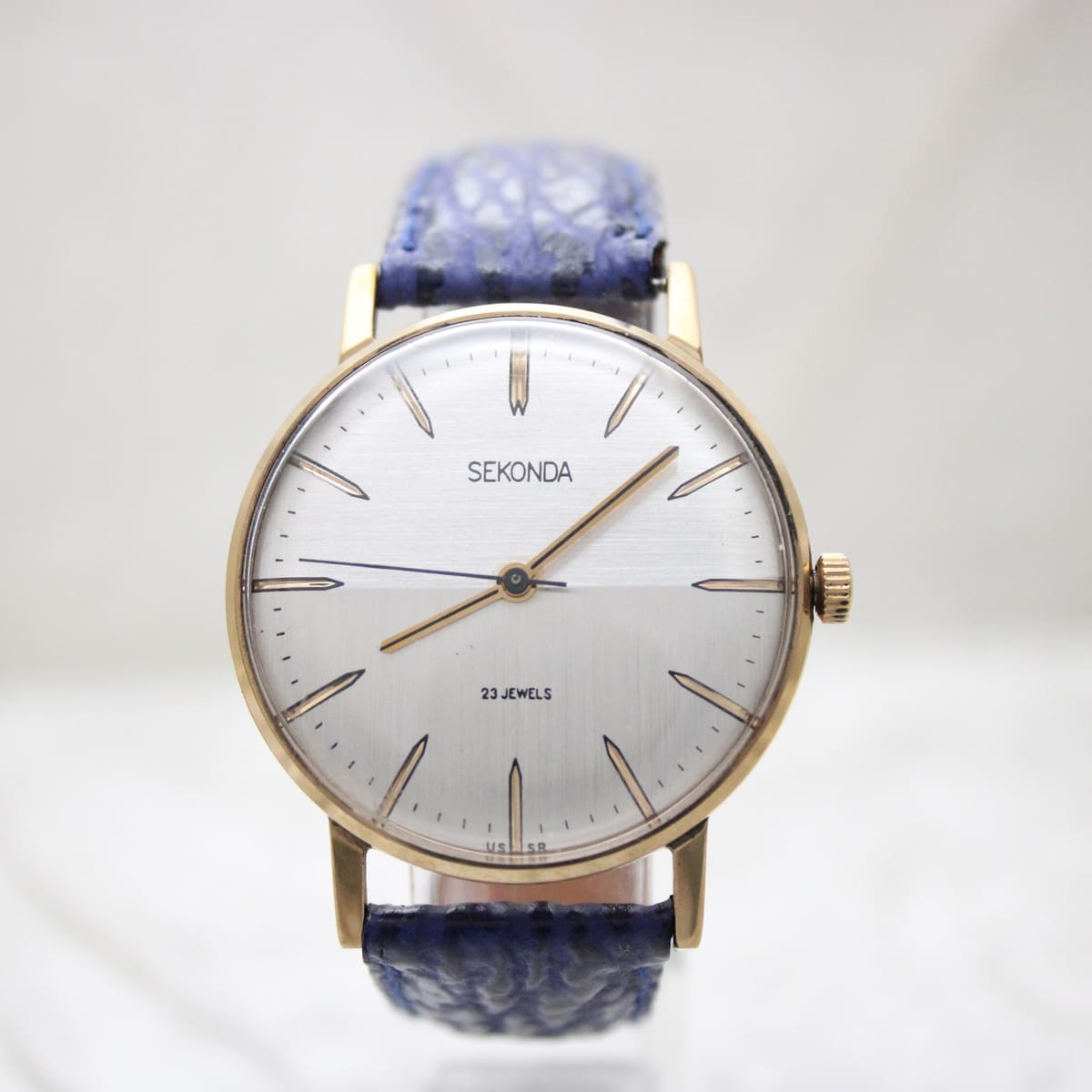
Vintage watches were built to last. Many have already survived fifty or sixty years and are still working, handsome objects. With the right care they can manage fifty or sixty more. But they need looking after in ways a modern watch does not, and a handful of common mistakes can cause damage that is expensive to put right.
Water resistance: assume none
Unless a vintage watch has recently been pressure-tested by a qualified watchmaker, treat it as having no water resistance at all. Gaskets and seals harden and shrink with age, so a watch rated to 30 metres in 1975 may let water straight past those seals today. Keep vintage pieces away from rain, condensation and, obviously, swimming or showering.
This applies even to pieces originally marketed as divers' watches. A vintage Seiko diver is a magnificent object, but without a fresh service and pressure test, its original depth rating means nothing.
Winding and setting
Manual-wind watches are best wound at roughly the same time each day, usually in the morning. Turn the crown clockwise until you feel resistance, then stop. Do not force it past that point; vintage mainsprings can break if overwound, though most have a safety mechanism to guard against it.
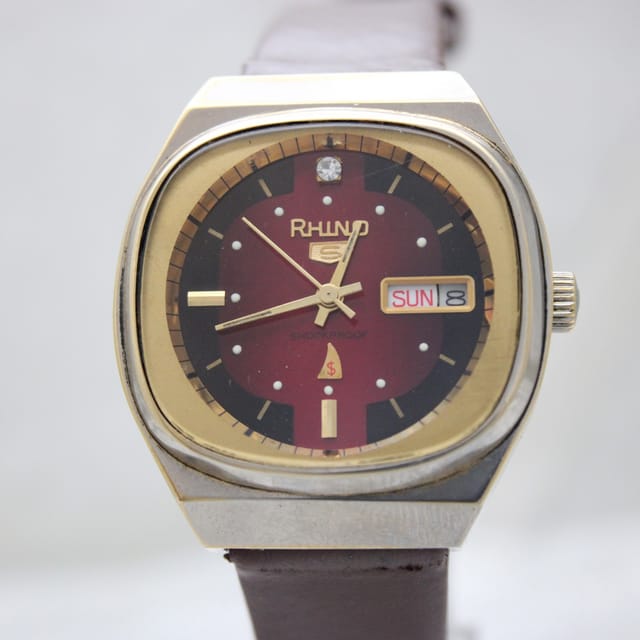
To set the time, pull the crown out to its second position and turn. On watches with a day-date, avoid changing the date between about 9pm and 2am. That is when the calendar mechanism is engaged, and forcing the date wheel can chip the teeth.
Automatic watches do not require manual winding if worn regularly, but should be wound when first put on after sitting unused. A fully wound automatic will typically run for 36–42 hours.
Storage
Store vintage watches somewhere cool and dry, out of direct sunlight. UV light fades dials over time, and cream or white dials suffer most. A watch box or roll is ideal.
Avoid storing near strong magnets. Vintage watches typically lack modern anti-magnetic shielding, and a magnetised balance wheel will cause the watch to run fast. This is correctable with a watchmaker's demagnetiser, but it is worth avoiding.
Servicing
A vintage watch that has not been serviced in the last five to eight years is overdue. The oils inside a movement dry out, friction climbs, and wear speeds up. A full service covers stripping the movement down, cleaning, fresh lubrication, regulation and case work, and runs to between £80 and £200 for most vintage pieces. It pays for itself in the extra years it buys.
Not every watch needs immediate servicing. A piece that runs accurately and winds smoothly can simply be monitored. But if a watch is running erratically, stopping unexpectedly, or gaining more than a few minutes per day, a service is indicated.
What not to do
Do not polish vintage watch cases. Polishing removes metal, rounds off the crisp edges that define a well-made case, and destroys the original patina that makes vintage pieces distinctive. A case with honest wear is far more desirable to serious collectors than a freshly polished one.
Do not try to open the case back without the right tools. The scratches you leave around the edge are a permanent record of the attempt, and the first thing any future buyer will spot.