The best vintage Tissot watches to buy
Tissot has been making watches since 1853 and has never charged what its history justifies. Which vintage models to buy, and what each is actually worth.
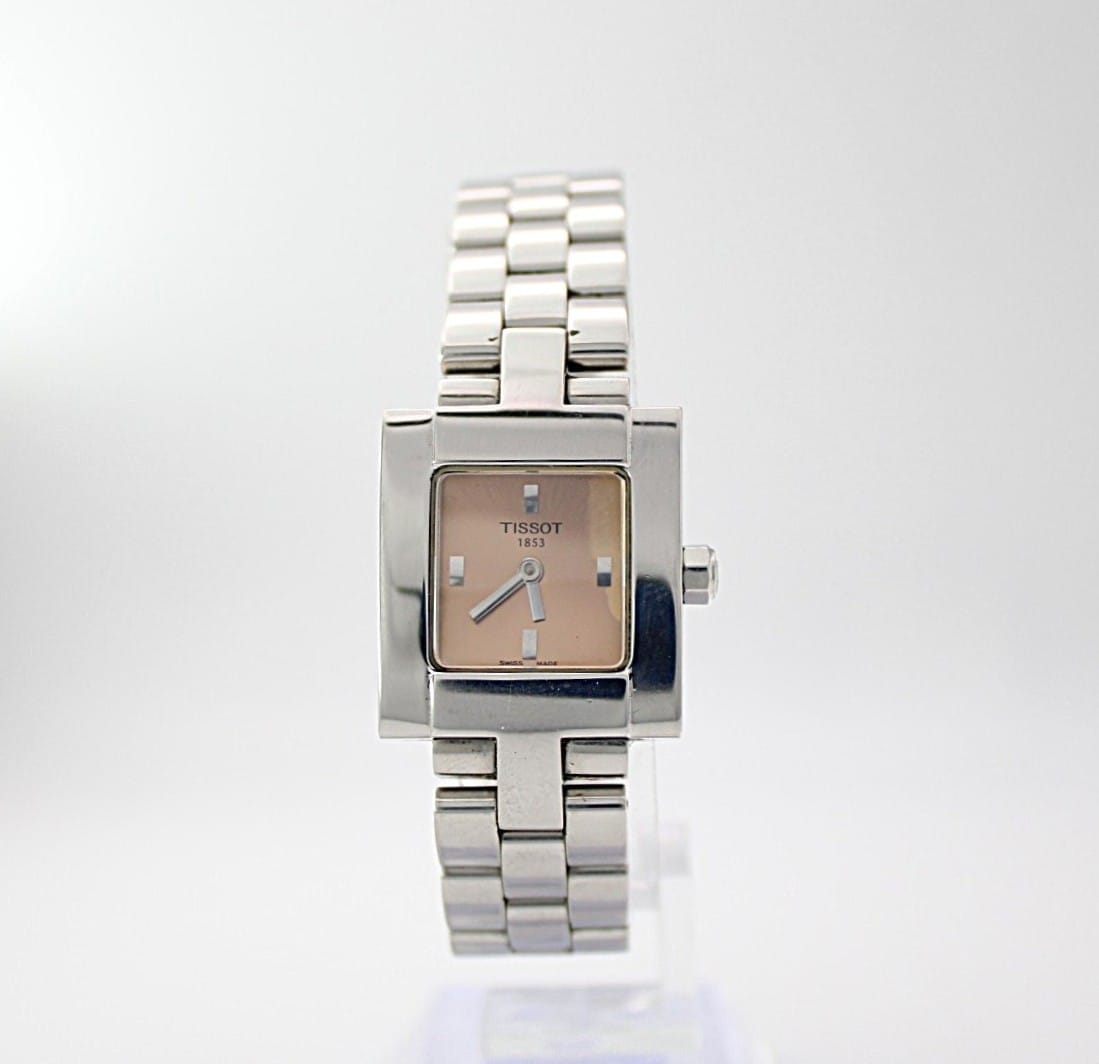
Tissot is the most persistently undervalued name in vintage watches. Founded in Le Locle in 1853, it merged with Omega in 1930, produced genuinely important watches through the twentieth century, and has never once charged what that history would justify. The brand story is covered in Tissot: a quiet giant of Swiss horology; this is the practical version, reference by reference.
The short answer: a Swiss quartz Tissot dress watch from the 1980s or 1990s at £100 to £160 is the best value in Swiss watchmaking at that price, full stop. If you want mechanical, a gold-plated manual wind from the 1960s or a Seastar automatic will cost you £150 to £375 and is worth the difference.
The vintage Tissot models worth owning
Prices reflect what clean, working examples sell for in the UK. Across the vintage Tissot we handle the range runs £35 to £375, with the typical piece near £145.
| Model | Era | Movement | Typical price |
|---|---|---|---|
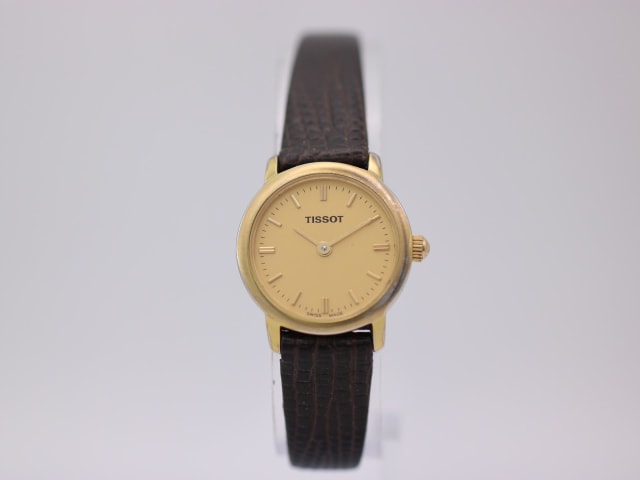
| Gold-plated dress, C225K / C226K type | 1980s to 1990s | Quartz | £85 to £130 |
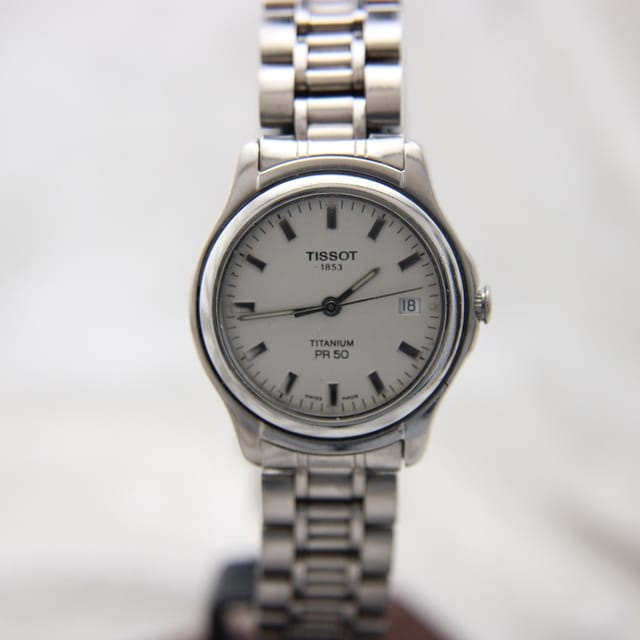
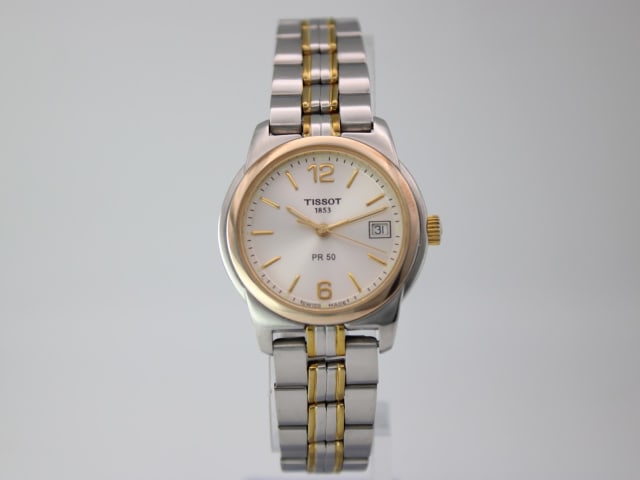
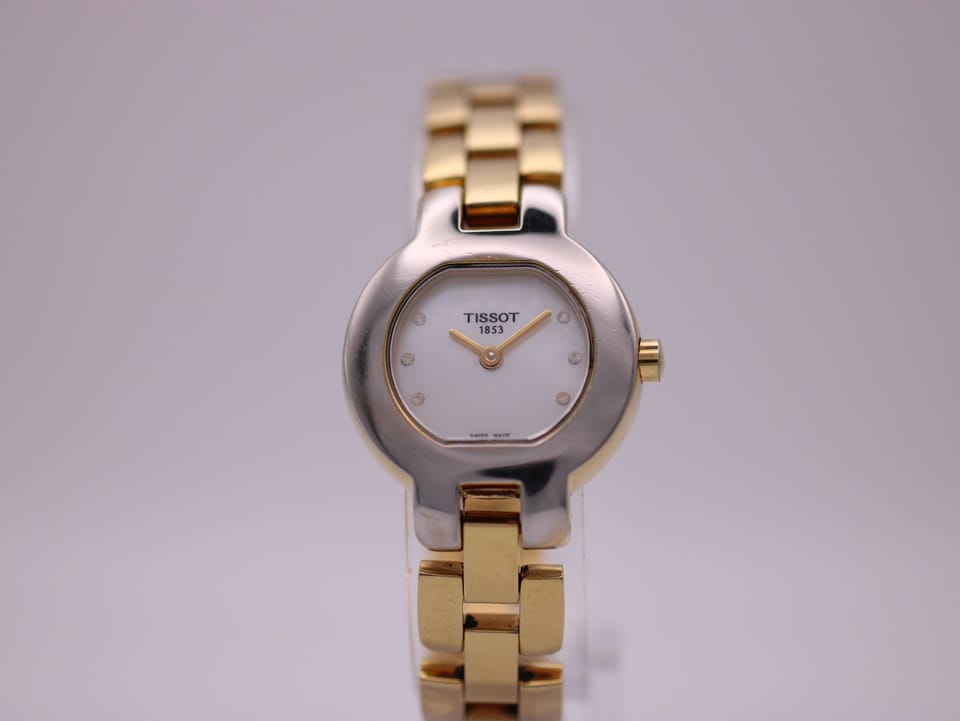
| Two-tone round, J326 / 426K type | 1980s to 1990s | Quartz | £125 to £160 |
| Square and rectangular dress, L730K type | 1980s to 1990s | Quartz | £130 to £170 |
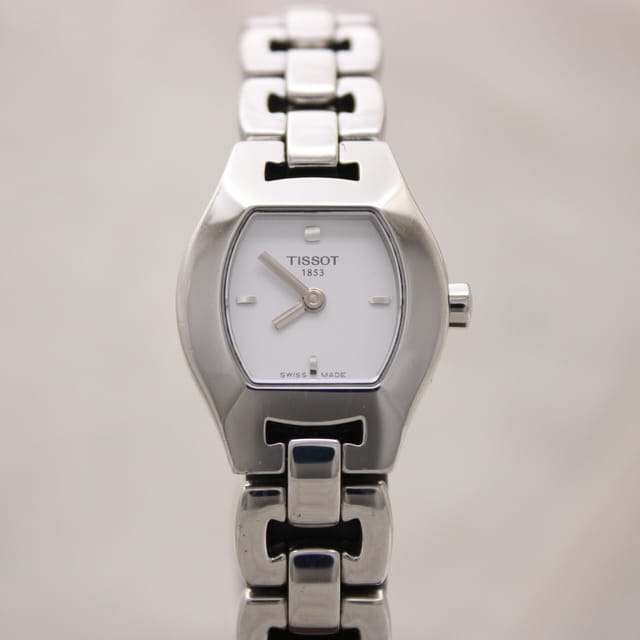
| Oval dress, L720 type | 1980s | Quartz | £125 to £155 |
| Ballade | 1980s to 1990s | Quartz or automatic | £125 to £295 |
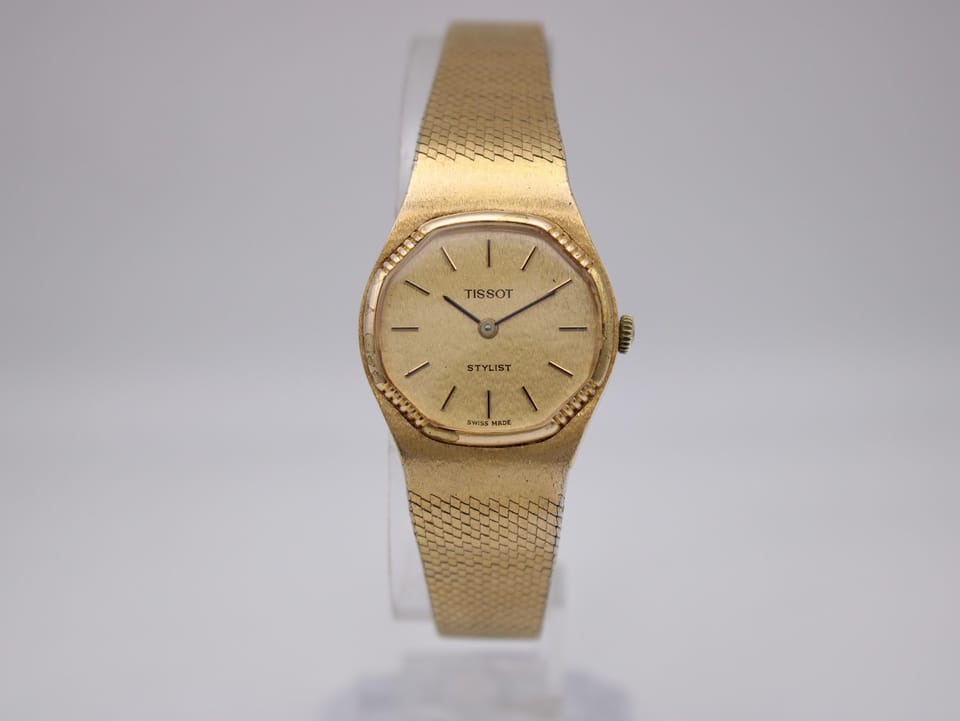
| Stylist | 1960s to 1980s | Manual or quartz | £120 to £220 |
| Seastar | 1960s to 1970s | Automatic or manual | £180 to £375 |
| Visodate | 1960s to 1970s | Automatic | £200 to £400 |
| RockWatch | 1985 onward | Quartz | £150 to £300 |
| PR 516 | 1965 onward | Manual or automatic | £250 to £500+ |
The sensible buy: 1980s and 1990s Swiss quartz
This is where the value sits, and it is not close. A vintage Tissot quartz dress watch from this period gives you a genuine 1853 Swiss house, a well-finished case, a cleanly printed dial and a movement that will keep time to a few seconds a month, for £85 to £170. Nothing else Swiss offers that combination at that price.
Round gold-plated and two-tone models are the most common and the easiest to wear. The square and rectangular references are more interesting to look at and usually cost slightly more. The oval cases of the early 1980s are the most period-specific and the most divisive, which is exactly why they are cheap.
Because these are quartz, upkeep is a battery every two or three years and very little else, which makes them a genuinely low-commitment way into vintage Swiss watches. Our guide to the best vintage watches under £200 puts them in context against the Japanese alternatives.
If you want mechanical: Seastar and the gold-plated manuals
The Seastar family is Tissot's sports line, and 1960s and 1970s examples are properly good watches: robust automatics, real water resistance when new, and a design that moves comfortably between a suit and a weekend. At £180 to £375 they sit in the same bracket as far less interesting Swiss watches, and our guide to the best vintage watches under £500 covers why the mechanical output of these years is so consistently strong.
The Visodate, with its magnified date window, pairs everyday practicality with a refined look and remains one of the most collectable Tissot lines at £200 to £400. Below both sit the gold-plated manual-wind dress watches of the 1960s, thin, elegant and frequently under £200, which are among the best introductions to mechanical watchmaking available at any price.
The interesting ones
The RockWatch, launched in 1985, has a case cut from Alpine granite. It is exactly as odd as it sounds, and it is one of the most genuinely original watch designs of the decade, made by a house confident enough to try something nobody had asked for. Prices run £150 to £300 depending on the stone and condition, and no two are quite alike.
The PR 516, introduced in 1965 and named for its racing-inspired perforated bracelet, is the Tissot that serious collectors chase. Good examples now start around £250 and climb well past £500. The Navigator world timers show off the brand's technical ambition, and the Ballade covers a wide range from £125 quartz pieces to £295 automatics.
How to identify a vintage Tissot
Tissot stamped case reference codes on the case back, and they are the fastest route to identifying a watch that arrives with no papers. You will see codes in forms like C225K, L730K, J326/426K, G349 and P130/230, and the letter groups distinguish the case families. Photographing the case back and searching the code will usually place a watch within a model family in minutes.
For dating, Tissot published serial number ranges by year, and community databases fill most of the remaining gaps. As with most Swiss houses the answer is often a range rather than a single year, which is perfectly adequate for a birth year hunt. Our guide to dating a vintage watch sets out the full method.
What to check before buying
On gold-plated cases, check the plating at the lug edges and the case back rim, where brassing shows first. On steel cases, check that the case has not been over-polished until the lug edges have rounded off, which is a permanent loss on an otherwise good watch.
Look hard at the dial. Tissot dial printing is fine and even, and a redial, however tidy, removes both character and value. On mechanical pieces, ask when the watch was last serviced and expect £80 to £200 if it has not been. On quartz pieces, a non-runner may only need a battery, but confirm rather than assume.
Assume no water resistance regardless of what the case back claims, including on Seastars. Forty-year-old gaskets do not seal, and our guide to caring for a vintage watch covers what these watches actually need.
Why Tissot is the value play
Every argument for buying vintage Tissot comes down to the same thing: you are paying for the watch rather than the marketing. The company has 170 years of continuous history, invented a great deal, merged with Omega in 1930, and has spent its entire existence making quality that ordinary people could afford. The collector market rewards scarcity and hype, and Tissot has never traded in either.
That is the opportunity. Browse the vintage Tissot watches we have in stock and the pattern is clear enough: genuine Swiss watches, honestly made, at prices that would look like a mistake on almost any other dial.
Frequently asked questions
What is the best vintage Tissot watch to buy?
For value, a Swiss quartz dress watch from the 1980s or 1990s at £85 to £170: a genuine 1853 Swiss house with almost no upkeep. For mechanical, a 1960s or 1970s Seastar automatic at £180 to £375, or a gold-plated manual wind from the 1960s under £200. The PR 516 is the reference serious collectors chase, from around £250.
Are vintage Tissot watches good quality?
Yes. Tissot has been making watches in Le Locle since 1853, merged with Omega in 1930, and built its reputation on well-engineered watches at accessible prices. Even entry-level vintage Tissots sit on solid, dependable calibres, and the case and dial work is consistently better than the price suggests.
How much is a vintage Tissot worth?
Most vintage Tissots sell for £85 to £200, with the typical piece near £145. Mechanical Seastars and Visodates reach £180 to £400, the granite-cased RockWatch runs £150 to £300, and the collectable PR 516 starts around £250 and climbs past £500.
How do I identify a vintage Tissot model?
Look for the case reference code stamped on the case back, in forms such as C225K, L730K, J326/426K or P130/230. The letter groups distinguish the case families, and searching the code will usually place the watch within a model family quickly. Tissot also published serial number ranges by year for dating.
What is a Tissot RockWatch?
A watch launched in 1985 with a case cut from Alpine granite, which makes every example slightly different. It is one of the most original watch designs of the decade and typically sells for £150 to £300 depending on the stone and condition.
Is a vintage Tissot better than a vintage Seiko?
They are different propositions rather than better or worse. Under £200 a Seiko usually gives you more mechanical watch for the money, since Seiko 5 automatics start around £85. A Tissot at the same price gives you Swiss heritage and a more formal dress design, usually with a quartz movement. Choose the movement and the look you want, not the flag on the dial.