A guide to vintage watch case materials: steel, gold-filled and plated
Understanding vintage watch case materials like steel, gold-filled and plated is crucial for any collector.
The foundation of your vintage timepiece
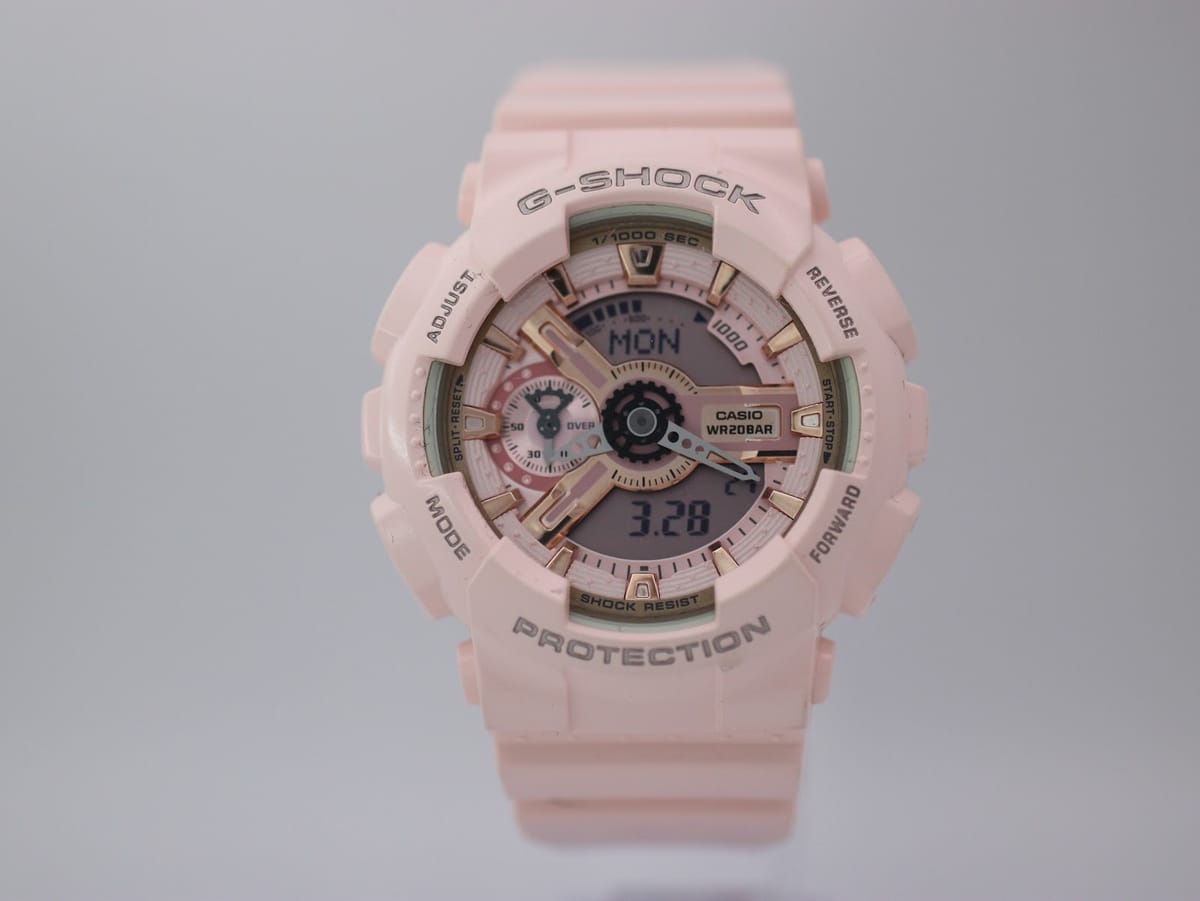
The case of a vintage watch is more than just its housing; it is a fundamental element that speaks volumes about its history, intended purpose, and enduring value. For collectors, understanding the materials used in watch cases is crucial, as it impacts everything from durability and aesthetic appeal to potential wear and long-term care. While solid gold cases represent the pinnacle for many, the vast majority of vintage watches we encounter today feature cases made from stainless steel, or variations of gold-toned materials like gold-filled and gold-plated. Each offers a distinct set of characteristics, and appreciating these differences can greatly enhance your collecting journey.
Stainless steel: the robust workhorse
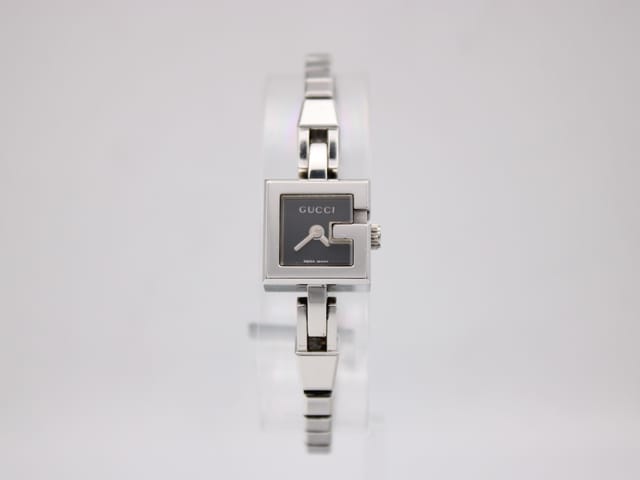
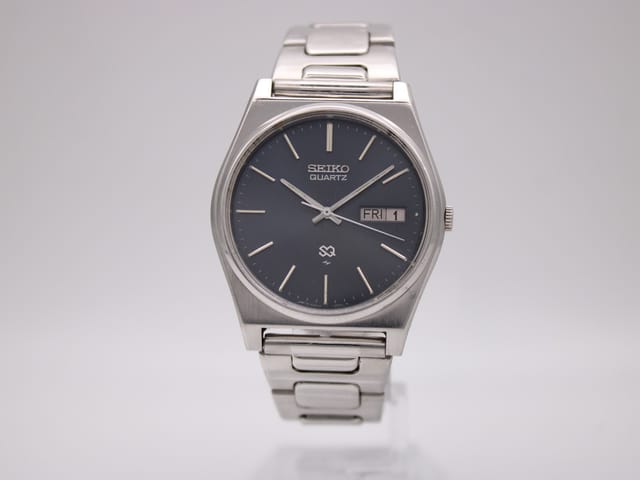
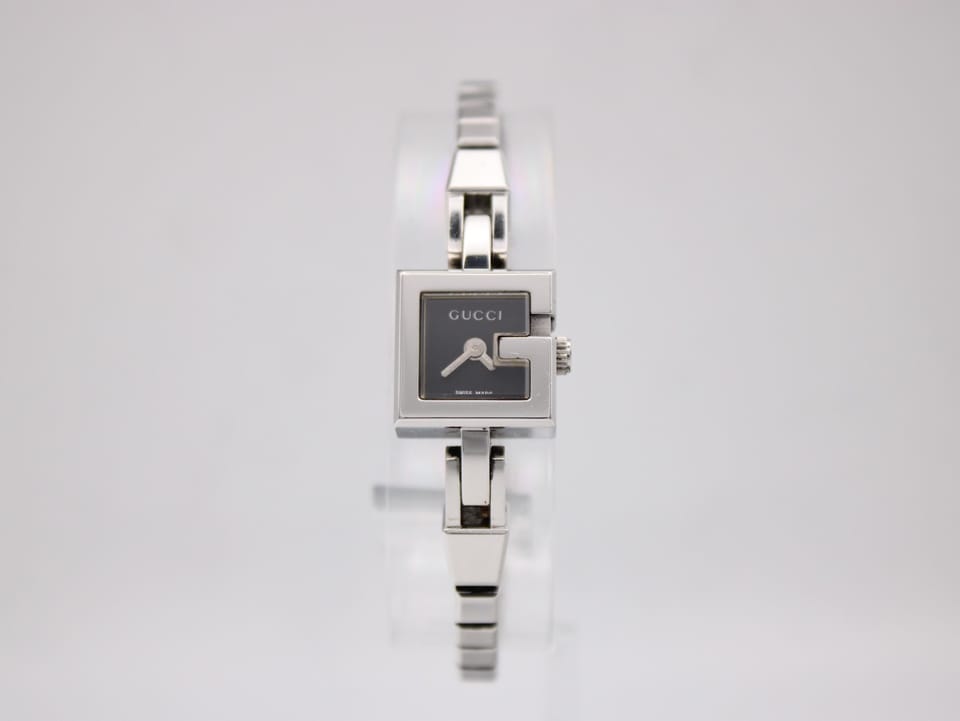
Stainless steel emerged as a popular material for watch cases in the early 20th century, particularly from the 1930s onwards, and quickly became the industry standard for its strength, corrosion resistance, and timeless appeal. Unlike earlier base metals, stainless steel is largely impervious to rust and tarnishing, making it an excellent choice for everyday wear. Its inherent durability means that steel cases often survive decades of use with remarkably good structural integrity, needing only occasional polishing to restore their lustre.
For tool watches, divers, and chronographs, stainless steel was the obvious choice, providing the necessary protection for the intricate movements within. Its cool, metallic sheen offers a versatile aesthetic that pairs well with virtually any dial colour or strap choice. When evaluating a vintage steel watch, collectors often look for sharp lines, legible engravings, and minimal pitting or deep scratches, all indicators of a well-preserved example.
Gold-filled: an affordable luxury with substance
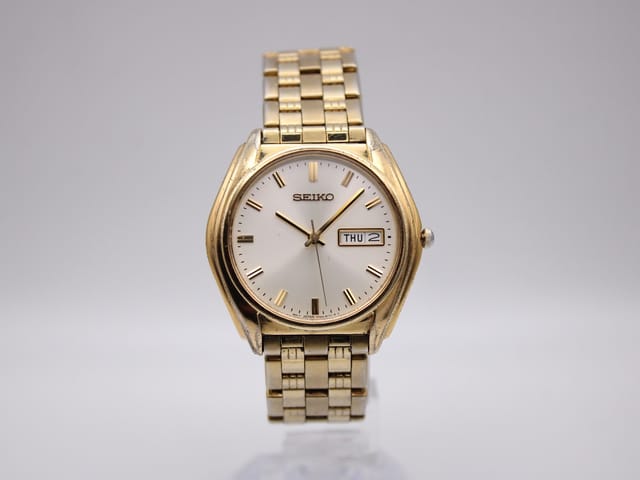
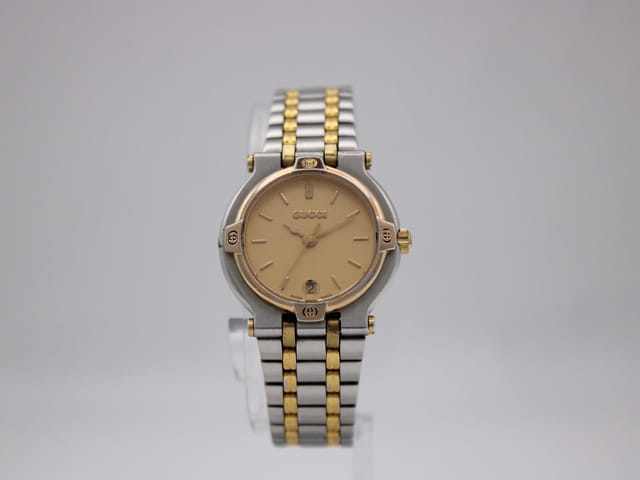
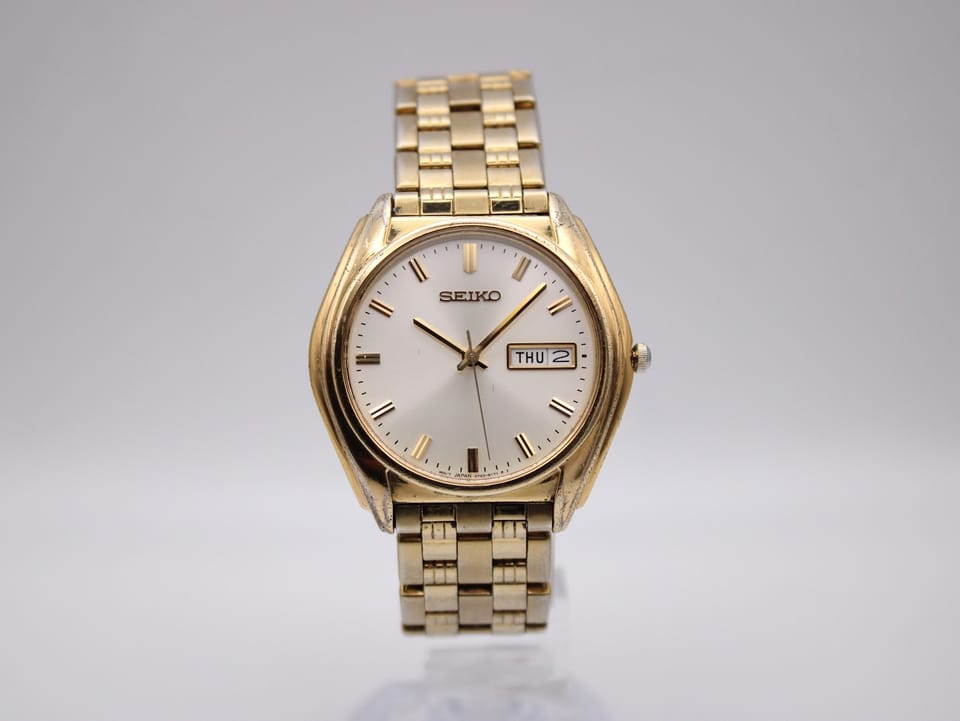
Gold-filled, sometimes marked as 'rolled gold plated' or 'gold overlay', represents a significant step up from simple gold plating in terms of durability and the amount of actual gold present. The process involves bonding a thick layer of karat gold (typically 10K, 12K, or 14K) to a base metal, usually brass, through heat and pressure. The gold layer is considerably thicker than that found in electroplating, typically constituting at least 5% (or 1/20th) of the total weight of the case material.
This substantial gold layer means that gold-filled cases tend to resist wear much better than their plated counterparts, often retaining their golden appearance for decades with proper care. You will typically find markings on the case, often on the inside of the case back or on the lugs, indicating the gold content and ratio, for example, "1/20 12K GF" or "10K Gold Filled". Gold-filled watches offered consumers the luxurious look of solid gold at a more accessible price point, making them a popular choice for dress watches and everyday elegance during the mid-20th century.
Gold-plated: decorative and delicate
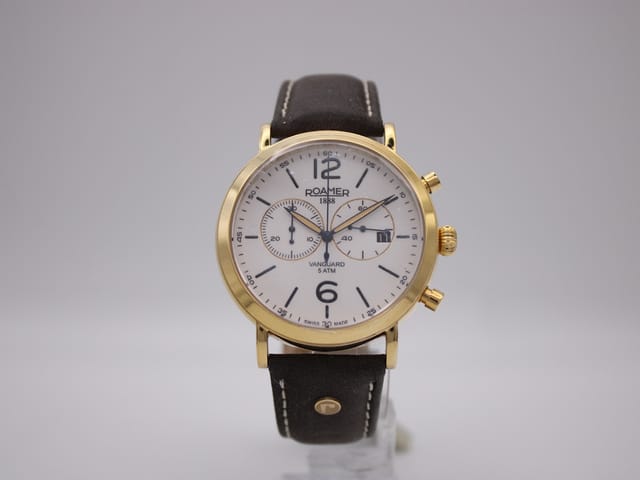
Gold-plating, created through an electrochemical process, involves depositing a very thin layer of gold onto a base metal, commonly brass or nickel silver. The thickness of this gold layer is typically measured in microns, and it is significantly thinner than the gold layer found in gold-filled cases. While it provides an attractive golden finish, its delicate nature means it is more susceptible to wear, especially on high-contact areas such as the lugs, case edges, and crowns.
Over time, and with repeated exposure to friction, moisture, and skin oils, the gold layer can wear through, revealing the base metal underneath. This 'brassing' is a common characteristic of vintage gold-plated watches and is a key factor in assessing their condition and value. Despite their delicate nature, well-preserved gold-plated watches can still be very attractive and offer an entry point into vintage watch collecting, often at a more modest price than their steel or gold-filled counterparts. When considering a gold-plated watch, it is always wise to scrutinise the case for signs of significant wear to the plating.
Making your choice: condition over material
When navigating the world of vintage watches, it is easy to get caught up in the allure of specific materials. However, for any collector, the overarching principle should always be condition. A beautifully preserved gold-plated watch, with its plating largely intact, can be a far more desirable and aesthetically pleasing piece than a poorly maintained gold-filled or even a solid gold watch with significant damage or heavy wear. Each material has its place and charm within the horological landscape.
Understanding the inherent properties of steel, gold-filled, and gold-plated cases empowers you to make informed decisions. It allows you to appreciate why certain types of wear appear on different materials and to assess accurately the longevity and originality of a vintage timepiece. Whether you prefer the understated resilience of steel, the enduring warmth of gold-filled, or the delicate charm of a well-preserved gold-plated piece, there is a wealth of choice in the vintage market.
Caring for your cherished vintage case
Regardless of the material, proper care is essential for preserving the beauty and integrity of any vintage watch case. Always avoid harsh chemicals, abrasive cleaners, and excessive moisture, which can damage finishes or compromise water resistance. For steel cases, a gentle polish with a soft cloth is usually sufficient. For gold-filled and gold-plated cases, be especially careful. Avoid aggressive rubbing on areas where the plating is already thin, as this can accelerate wear.
A soft, damp cloth is often the best tool for cleaning, ensuring that you gently wipe away dirt and oils without causing further abrasion. Storing your watch in a dry environment, away from direct sunlight and extreme temperatures, will also help to maintain its pristine condition for years to come. With a little knowledge and mindful attention, your chosen vintage watch case will continue to tell its story beautifully.
Our commitment to quality
Every watch at London Watch Market is individually inspected and honestly described, ensuring you know exactly what you are acquiring. We offer free UK shipping and a straightforward 14-day return policy, so you can buy with confidence.