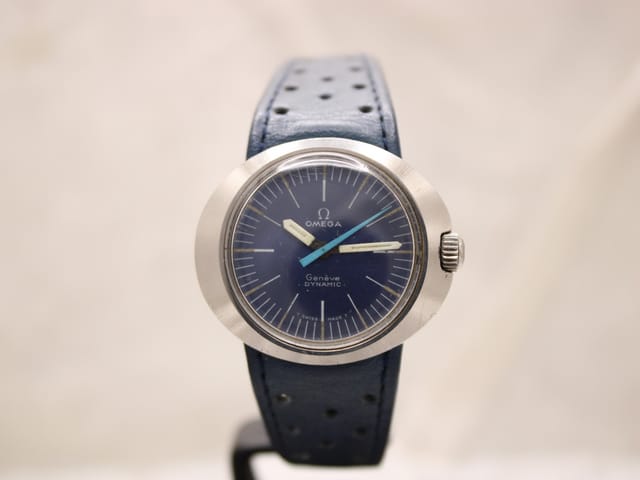
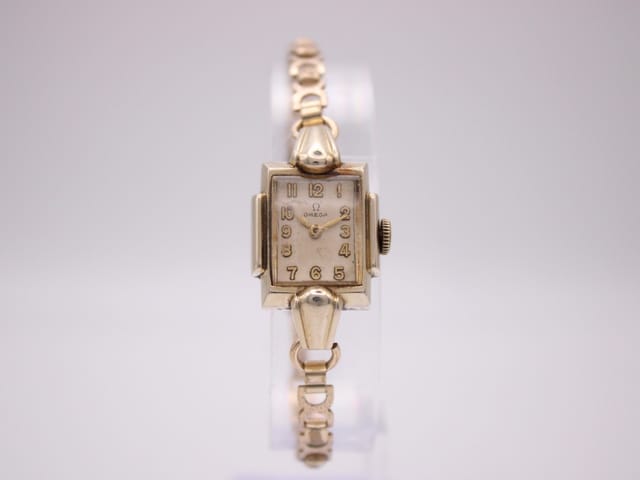
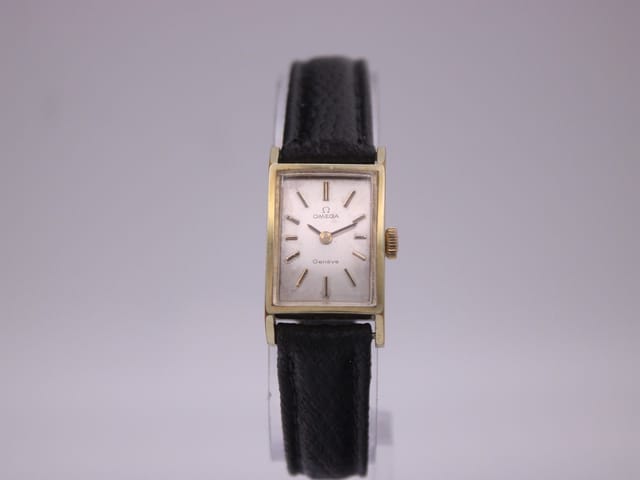
Every watch tells a story
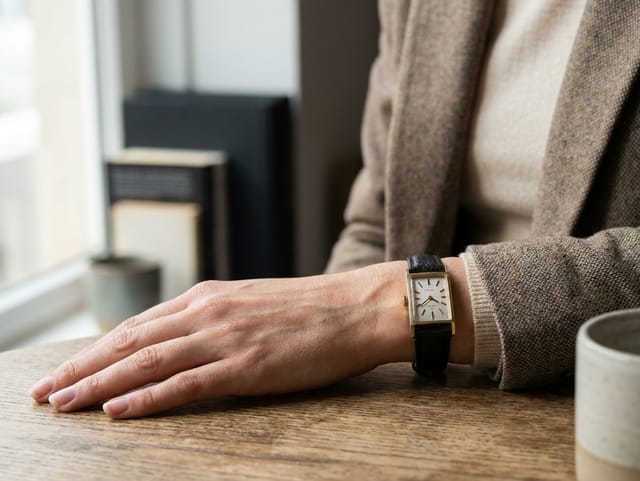
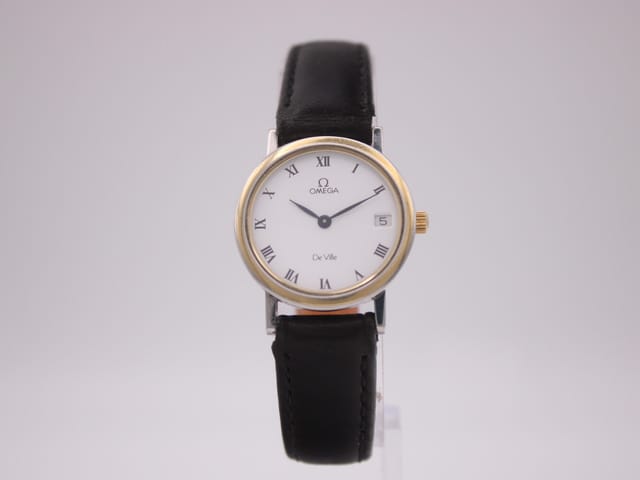
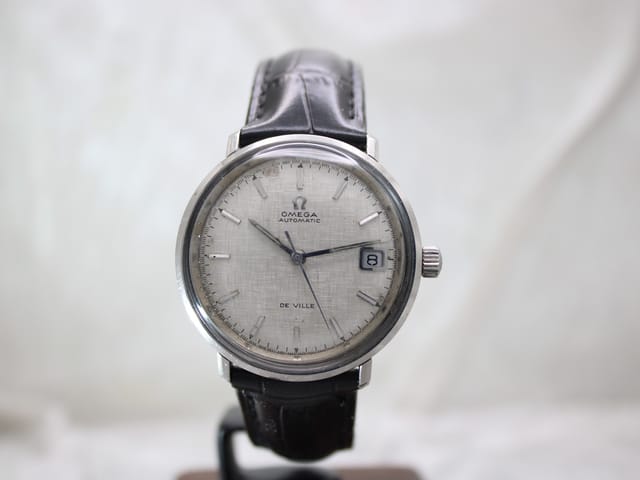
A watch is not simply a machine for measuring time. It is a record of a life: the places it has been, the wrists it has rested on, the moments it has witnessed.
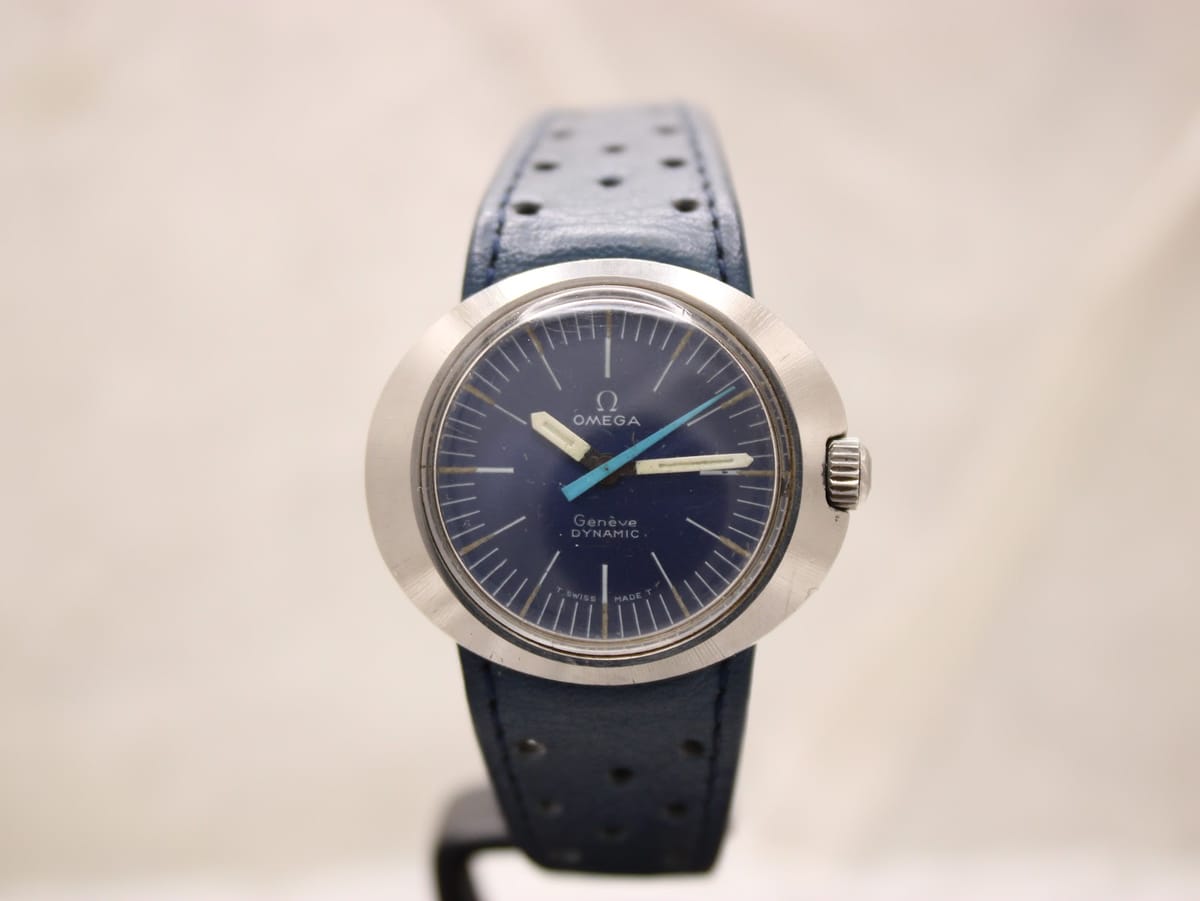
A watch is not simply a machine for measuring time. It is a record of a life: the places it has been, the wrists it has rested on, the moments it has quietly witnessed. That is what sets a pre-owned watch apart from almost anything else you can buy. It arrives with a history already written into it, whether or not you can read it.
The object that outlives its owner
A well-made mechanical watch will outlast the person who first wound it by several generations. The movement that ticked on a wrist in 1962 can still tick on yours today, as long as it has been cared for. That is not an accident of engineering. It is a deliberate result of how these things were made. In an age before planned obsolescence, a watch was built to be passed down.
When you hold a vintage piece, you are holding something that has already proved itself. It has survived decades of daily wear, changes of ownership, the wear of time on gaskets and oils and mainsprings. The fact that it still runs is not incidental. It is evidence of quality that no specification sheet can replicate.
What the dial remembers
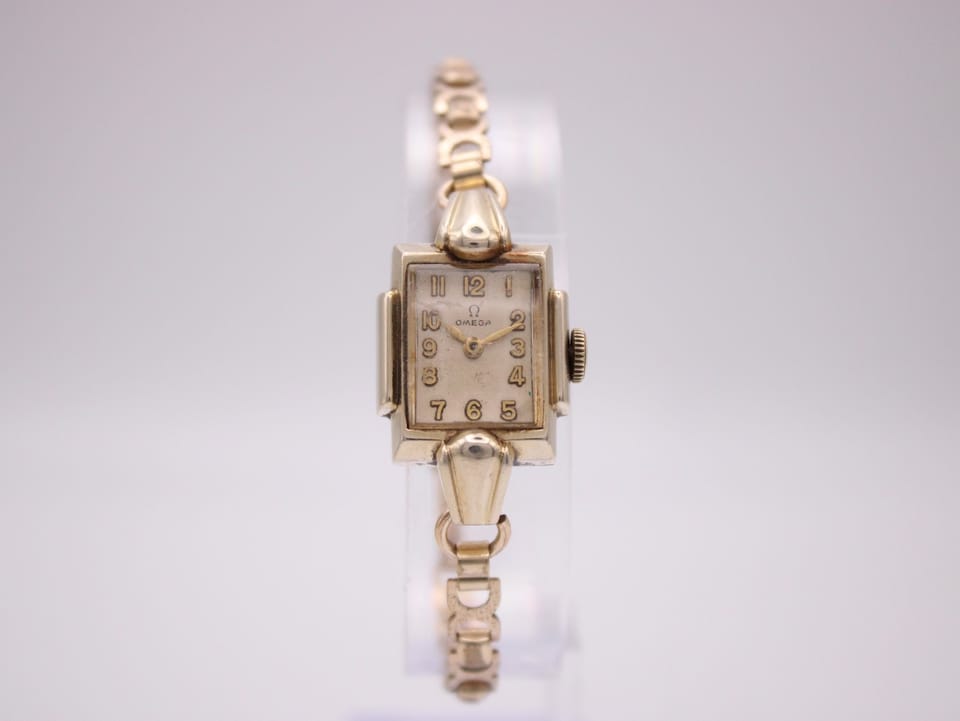
Collectors talk a lot about patina, the slow ageing of a dial that turns ivory to cream and silver to champagne, the way lume plots fade from white to a warm, toasty tone. To an untrained eye it can look like wear. To anyone who understands it, patina is the most honest thing about a vintage watch. It cannot be convincingly faked, and it cannot be applied. It only accumulates.
A dial with honest patina has been somewhere. It has seen light and skin and decades of changing temperature. The marks on a case say the same thing. They are not damage so much as biography. A scratch on the case back records a moment. A worn crown tells you the watch was used, not shut away in a drawer.
The watches we remember
The watches that stay with people are almost never the newest ones. They are the watch a father wore every day without ceremony. The watch bought to mark a first salary, worn until the strap needed replacing three times. The dress watch that came out for every important occasion and sat quietly in its box in between.
These are not always the most valuable watches by any market measure. A modest Seiko or Longines, worn daily for thirty years by someone who never thought of themselves as a collector, can carry more resonance than a rare reference that spent its life in a safe. The value of a watch and the meaning of a watch are not the same thing.
Why we do what we do
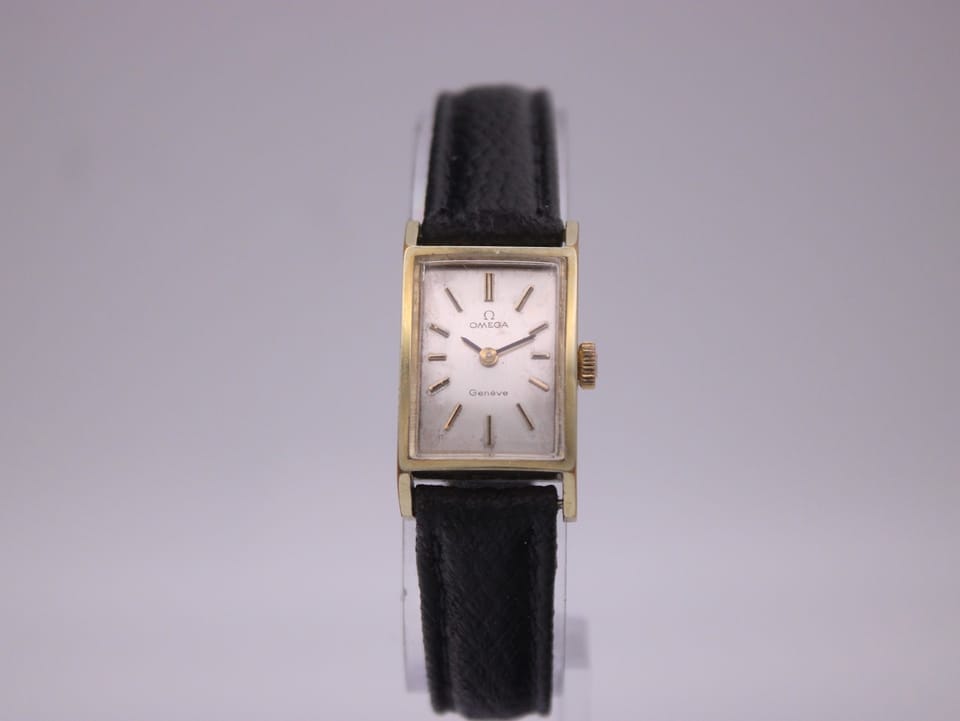
At London Watch Market, we think about this with every piece we handle. Each watch that passes through us has already lived a life we know nothing about. Our job is to get it ready for the next one: properly serviced, honestly described, and in the hands of someone who will appreciate it.
We are not just selling watches. We are passing objects forward. A watch that sat in a drawer for twenty years, unloved and unnoticed, might be exactly what someone else is looking for: a link to a decade they remember, a movement they have always admired, a design that speaks to something they cannot quite put into words.
Every watch tells a story. Most of those stories are still being written.