Raymond Weil: the independent spirit of Geneva
In an industry dominated by conglomerates, Raymond Weil remains one of the last truly independent Swiss watch families. Here is why that matters, and what to look for.
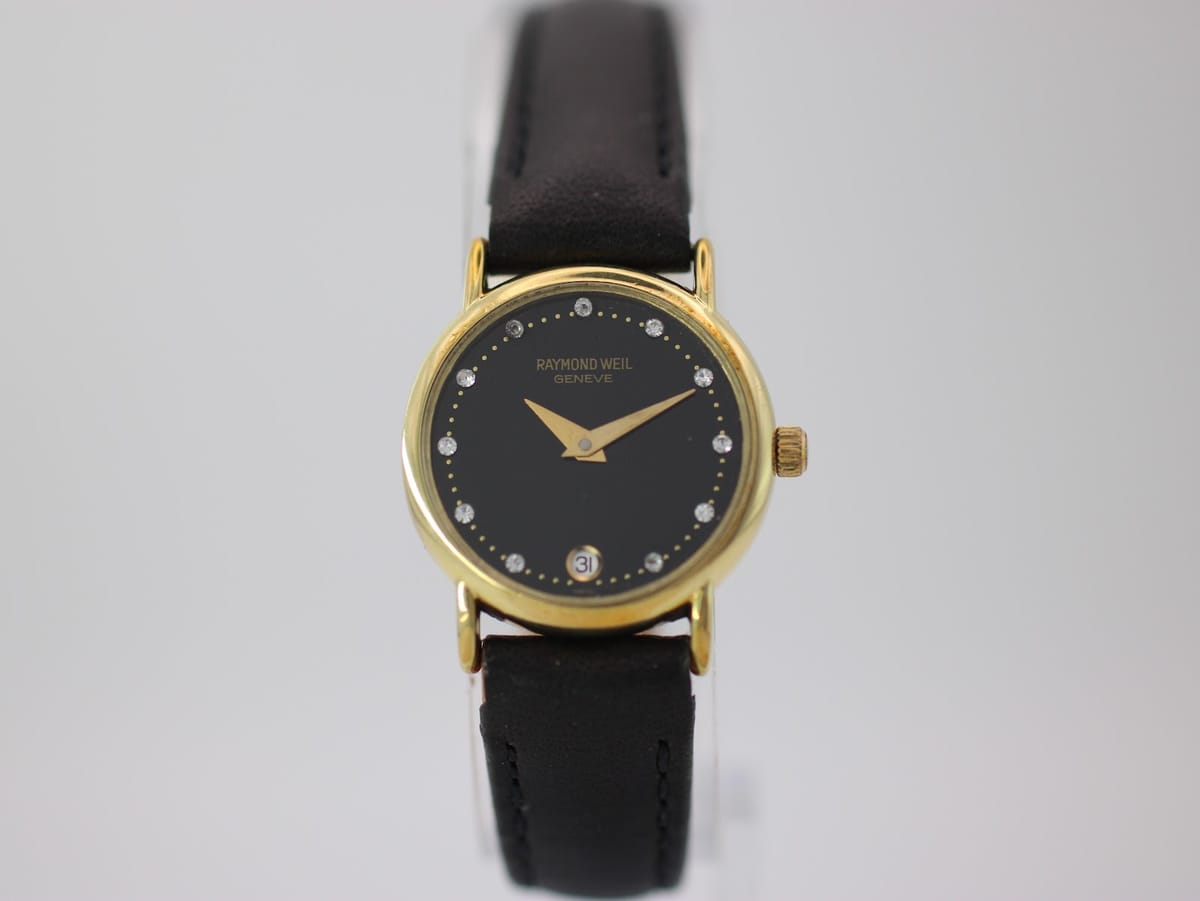
In an industry where almost every prestigious name has been folded into one of a handful of conglomerates, Raymond Weil sits in a rare position. It is still entirely family-owned, run by the founder's descendants, and answerable to no shareholder but the family. Founded in Geneva in 1976 by Raymond Weil, a real person whose name is on the dial, the brand has spent nearly fifty years doing something quietly remarkable: making excellent Swiss watches at prices that do not need explaining away.
Founded at the worst possible time
1976 was not an obvious time to launch a mechanical Swiss watch brand. The quartz crisis was at its peak. Swiss exports had collapsed, factories were closing, and the whole industry was coming to terms with a technology that had made its core product look obsolete overnight. Raymond Weil's answer was a range of elegant, classically proportioned dress watches that competed on craftsmanship and value rather than heritage or prestige.
It was a proposition that found an audience. The brand grew steadily through the late 1970s and into the 1980s, building a reputation for well-made movements in refined cases at prices that sat below Omega but above the fashion watch market.

The music connection
Raymond Weil's long association with music, with collections named after composers, operas and rock bands, is more than a marketing hook. It reflects a real belief that music and watchmaking share the same things: precision, passion, and the urge to make something that outlives its maker.
The Maestro, Freelancer, Toccata and Parsifal collections all carry that musical thread into their design. The Freelancer in particular, with its open balance wheel visible through the dial, has become the brand's most collectible modern reference.
What makes vintage Raymond Weil worth collecting
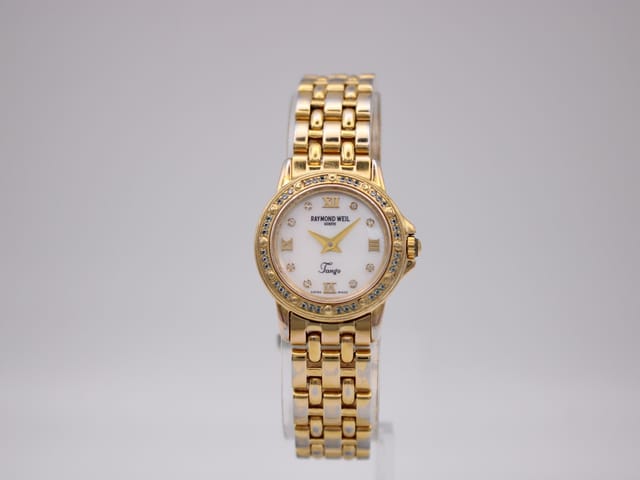
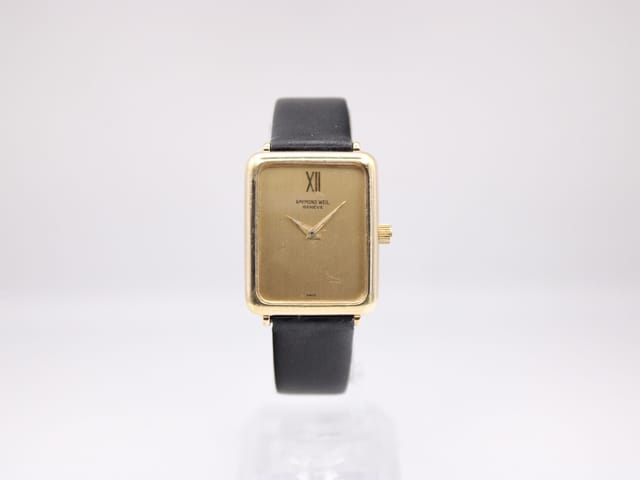
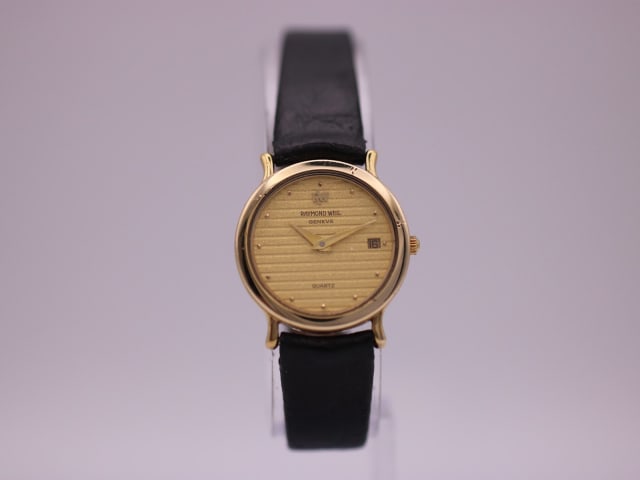
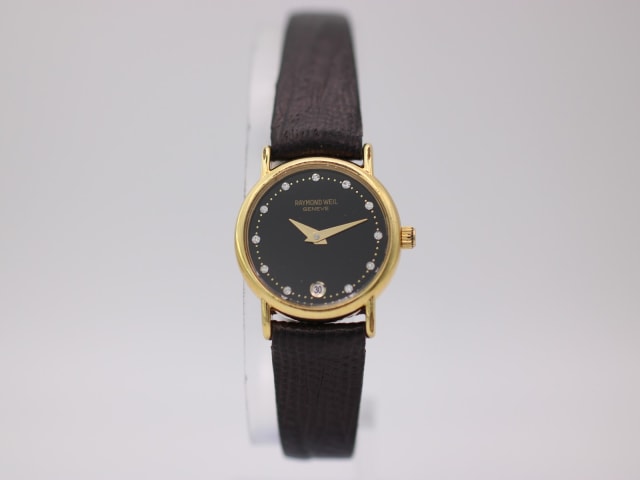
The vintage Raymond Weil market is still well undervalued next to Swiss peers of similar quality. Pieces from the 1980s and 1990s, whether gold-plated dress watches with integrated bracelets or slim automatics on ETA movements, can be found for remarkably little and offer genuinely excellent value.
The movements are reliable ETA calibres, well supported by independent watchmakers. Cases are solidly built, dials are cleanly executed, and the brand's love of classical proportions means these pieces look as right today as they did forty years ago.
For the collector who wants Swiss quality, honest design and the quiet satisfaction of owning something independent, Raymond Weil deserves a serious look. Our guide to the best vintage Raymond Weil watches to buy covers which collections to look for and what each is actually worth, or you can browse the vintage Raymond Weil watches we have in stock.