Seiko: the watch Japan built for everyone
No manufacturer has put more quality on more wrists than Seiko. From the world's first quartz watch to the cult divers collectors hunt today, this is the story of a brand that never stopped moving.
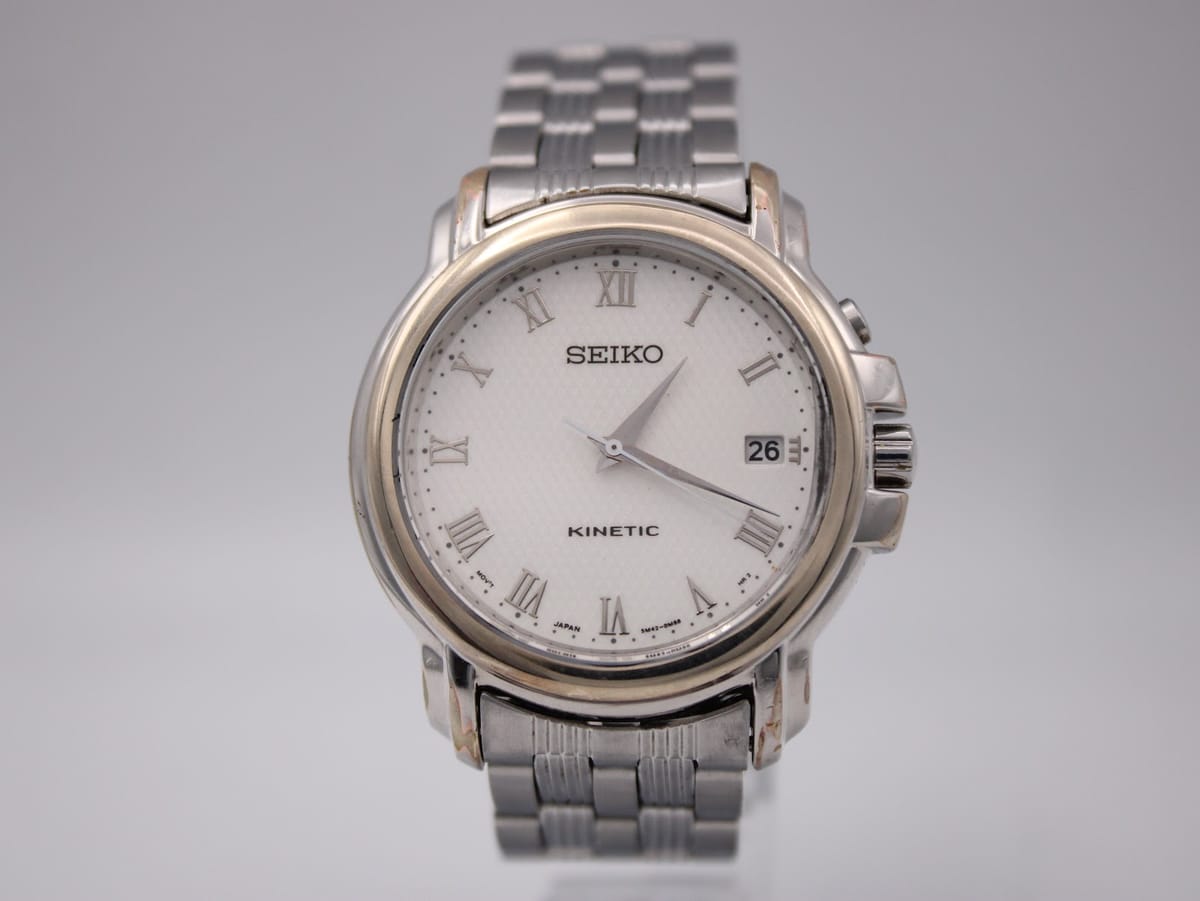
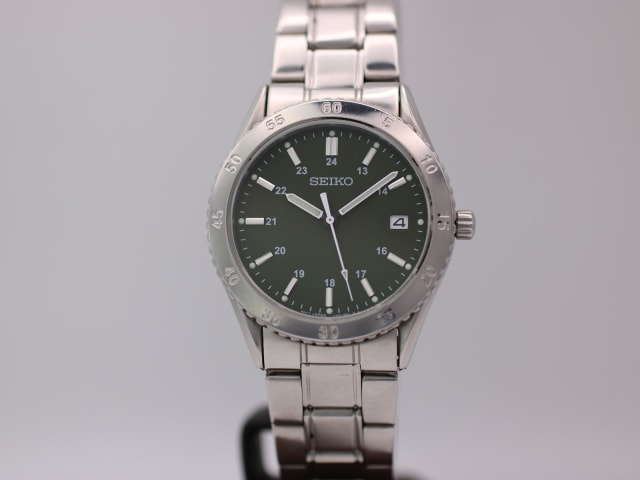
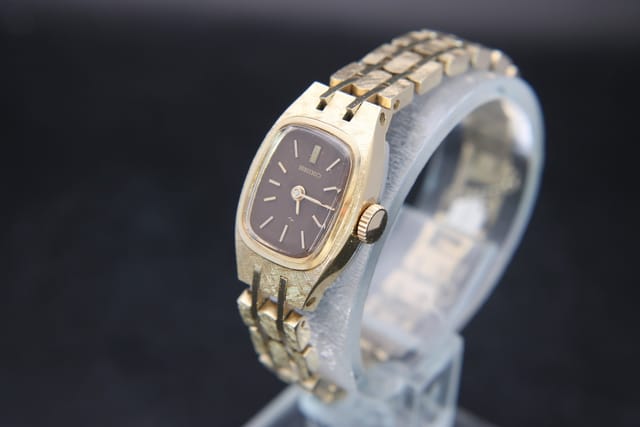
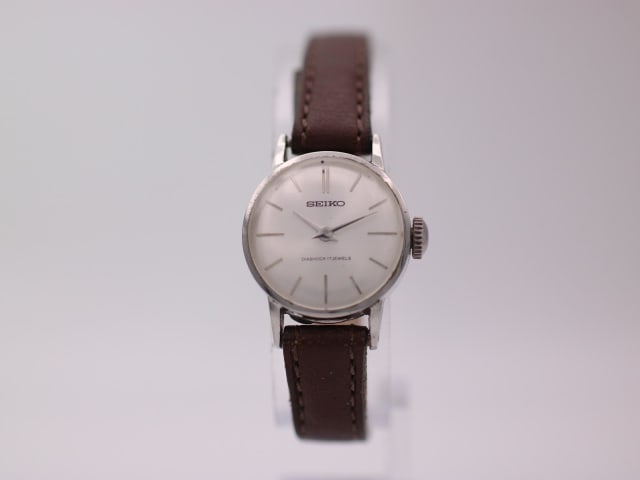
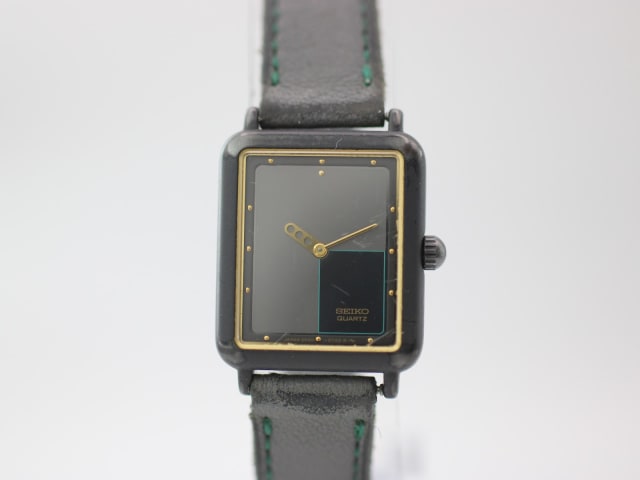
No manufacturer in history has put more quality on more wrists than Seiko. From a small Tokyo shop that opened in 1881 to the company that rattled the entire Swiss industry with a single product in 1969, Seiko's run is one of the most remarkable in industrial history. And the watches themselves, practical, durable and beautifully engineered, are still within reach of almost any collector on almost any budget.
The company that changed everything
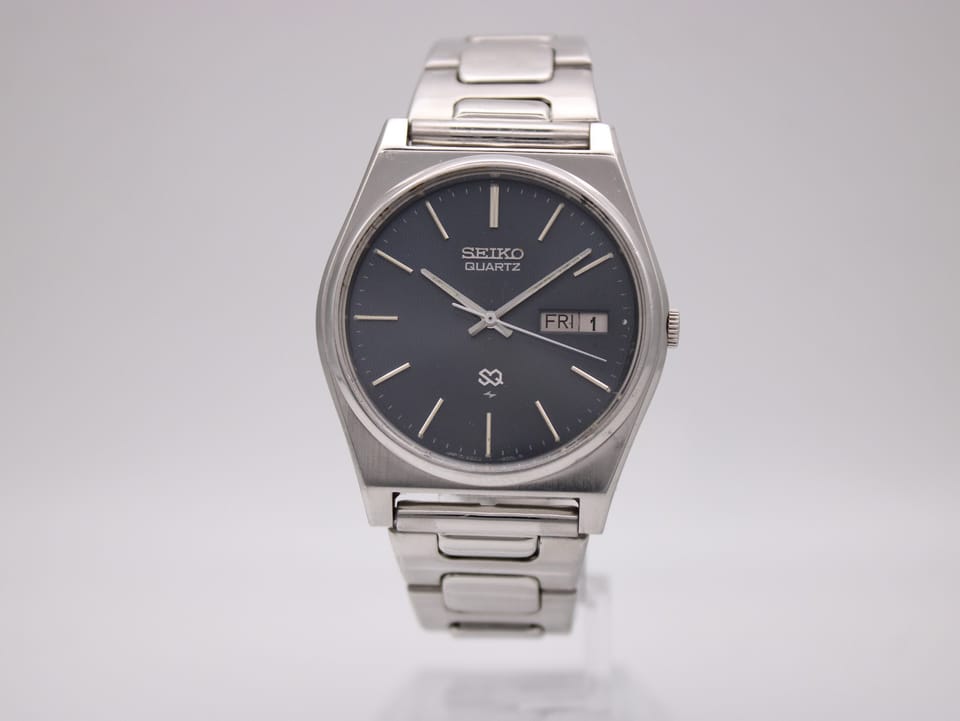
On Christmas Day 1969, Seiko released the Astron, the world's first quartz wristwatch. It cost about as much as a small car. Within five years the technology had been refined and the price had dropped to within reach of ordinary buyers. The Swiss industry, which had dominated global watchmaking for a century, never fully recovered.
What is less widely known is that Seiko pulled this off while also making some of the finest mechanical watches in the world. The King Seiko and Grand Seiko ranges of the late 1960s and early 1970s were finished to a standard that matched, and in plenty of cases beat, prestigious Swiss rivals at a fraction of the price.
The divers that collectors obsess over
No Seiko reference stirs up more collector passion than the vintage divers. The 6105-8110, famously worn by Martin Sheen in Apocalypse Now, has become one of the most desirable vintage sport watches in any category. The 6309 diver, made from 1976 to 1988, is still the most accessible way into serious vintage Seiko collecting.
What makes these watches so compelling is not rarity or prestige. It is engineering honesty. The rotating bezels actually work. The water resistance was real. The movements are robust, well documented and still serviceable today. These were built to be used, and that intent shows in every detail.
The Seiko 5: a movement for everyone
The Seiko 5, named for its five automatic standards, has been in continuous production since 1963, which makes it one of the longest-running watch series in history. The range runs to thousands of references, from plain field watches to elaborately dialled dress pieces, all built on the same idea: a reliable automatic movement at an honest price.
For new collectors, the Seiko 5 is the ideal place to start. The variety is overwhelming, the prices are reasonable, and the movements are forgiving and well supported. Owning one is not a compromise. It is a decision to put substance ahead of status. Our shortlist of the best vintage Seiko watches to buy covers which references are worth owning at every budget.
Why vintage Seiko now
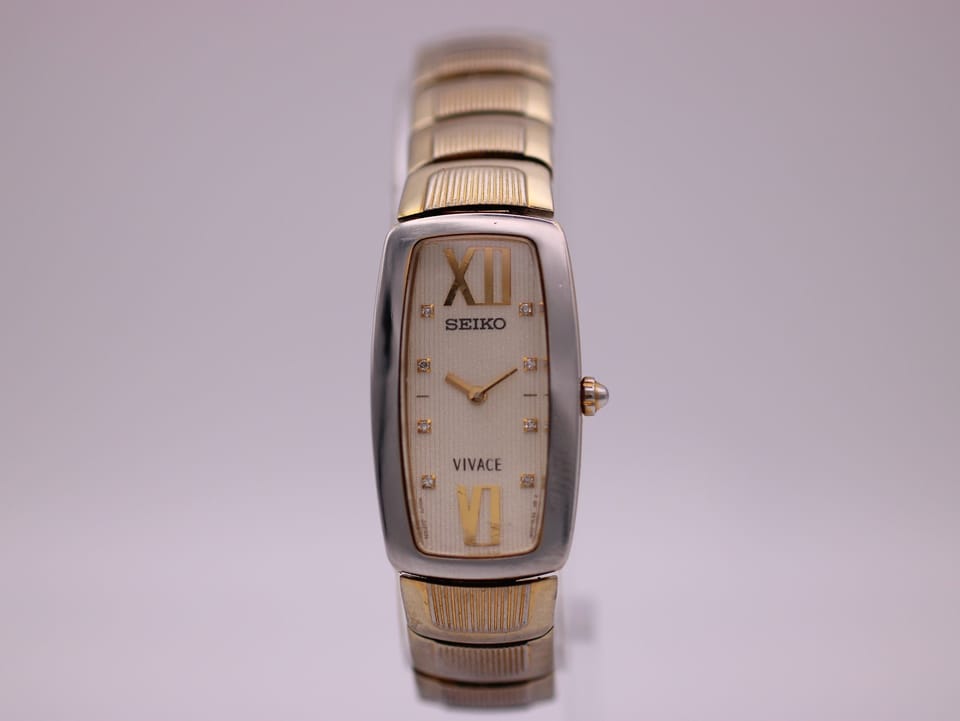
The vintage Seiko market has matured a lot over the past decade, but plenty of value is still there. The Japanese domestic market pieces, sold only in Japan and often carrying unique dials and case shapes, remain underpriced for their quality and rarity. The King Seiko range, once overlooked in favour of Grand Seiko, is now drawing serious collector attention.
A Seiko that runs, looks good, and has an interesting story to tell is a remarkable object at any price. That they remain available for modest sums is one of the great ongoing opportunities in vintage collecting, and you can browse our vintage Seiko collection to see what that looks like in practice.