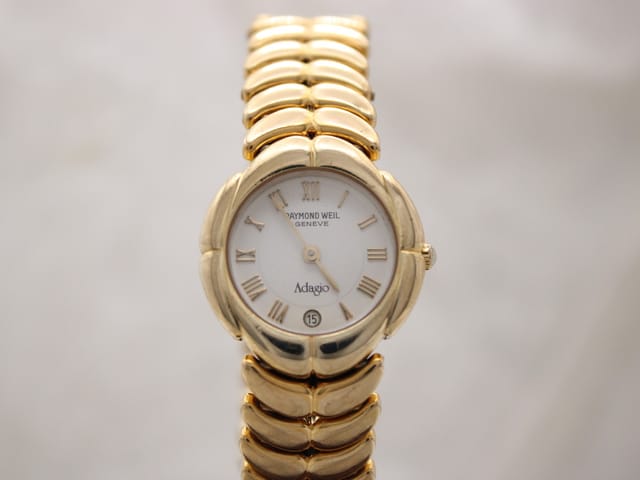
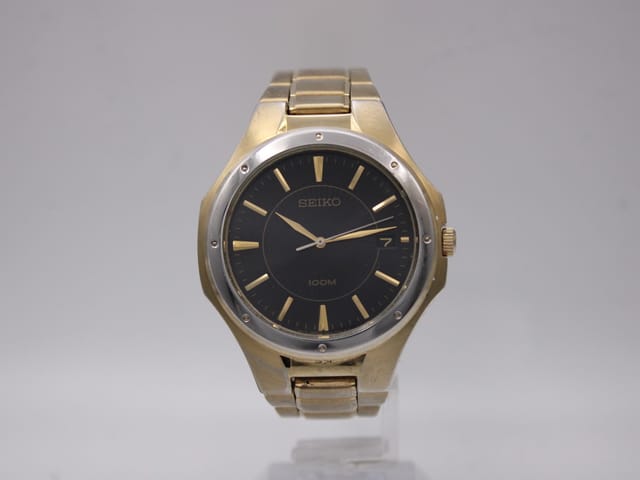
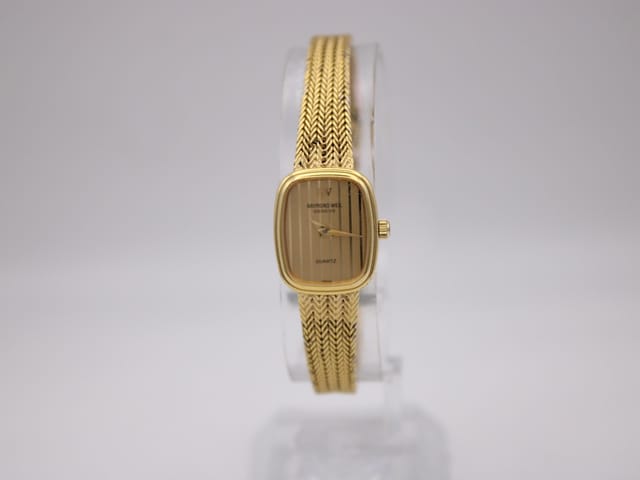
Finding your birth year watch
There is something quietly compelling about owning a watch made in the same year you were born: a connection to a specific moment in history, worn on your wrist.
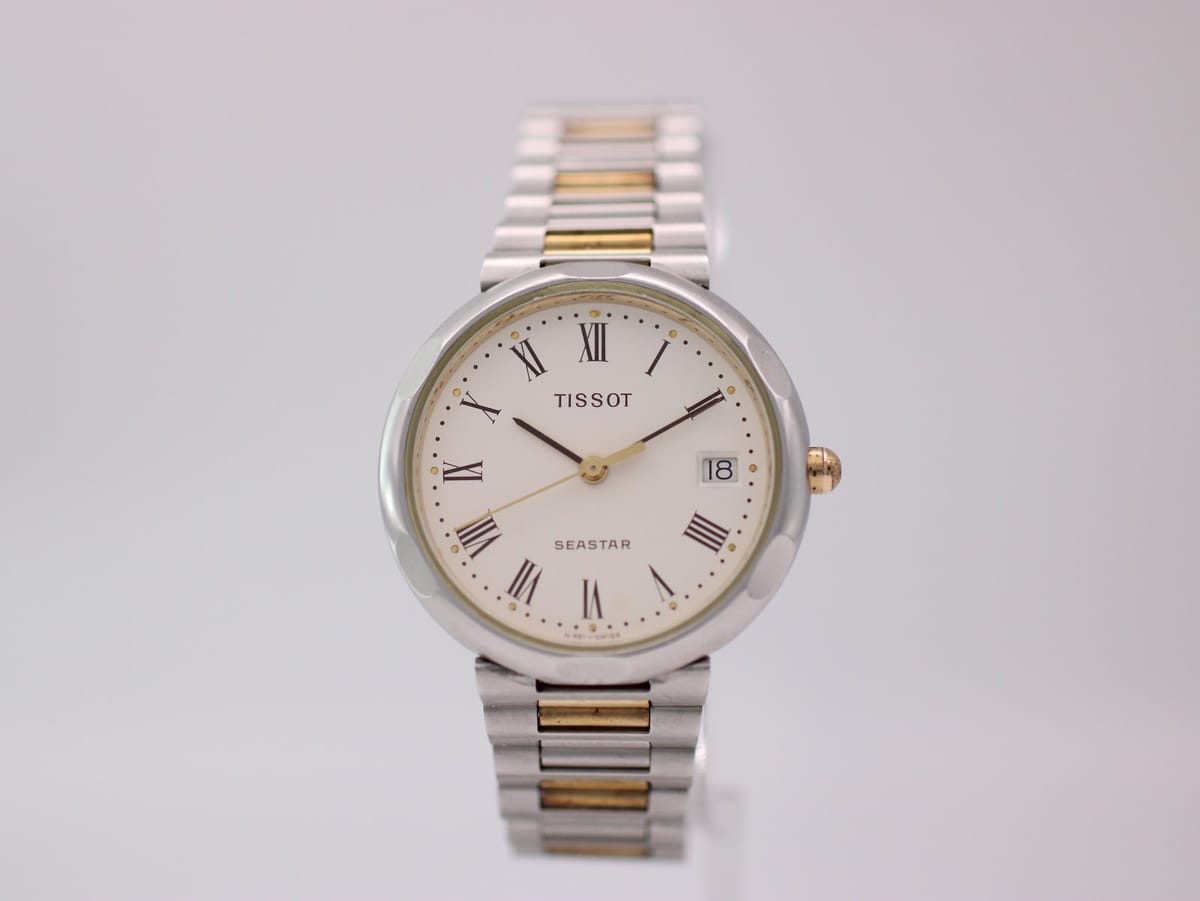
There is something quietly compelling about the idea of owning a watch that was made in the same year you were born. It is not a new idea; collectors have chased birth year pieces for decades. But it has never been easier than it is now. The pre-owned market has opened up a world of vintage watches at prices that would have seemed impossible a generation ago, and a birth year piece is within reach on almost any budget.
Why it matters
A birth year watch is not just a conversation piece, though it often becomes one. It ties you to a particular moment: the year the factories were running, the designs that were in fashion, the movements that counted as cutting edge. Wearing a watch from 1974 means wearing a piece of the 1970s on your wrist, with all of its optimism and its own idea of what a watch should look like.
For many collectors, a birth year watch also provides a useful constraint. With thousands of vintage pieces available, having a fixed year in mind focuses the search in a way that is both practical and satisfying. The hunt becomes purposeful.
Finding the year
The challenge is that most vintage watches were never individually date-stamped. You cannot look at a case and read off a manufacture date the way you might read a hallmark on silver. Instead the date comes from serial numbers and reference numbers, and how precise that is varies a lot from brand to brand.
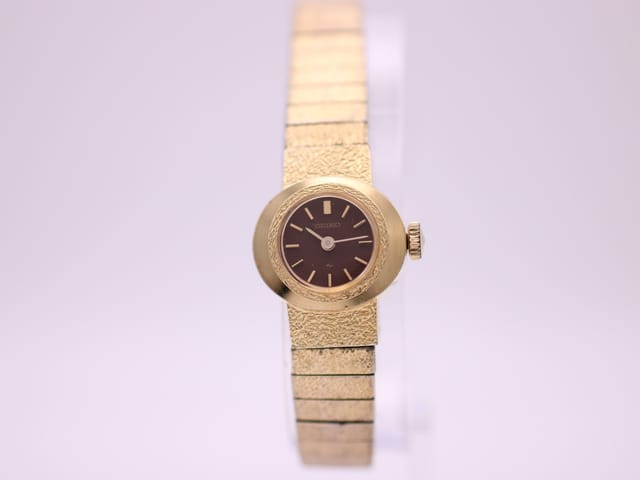
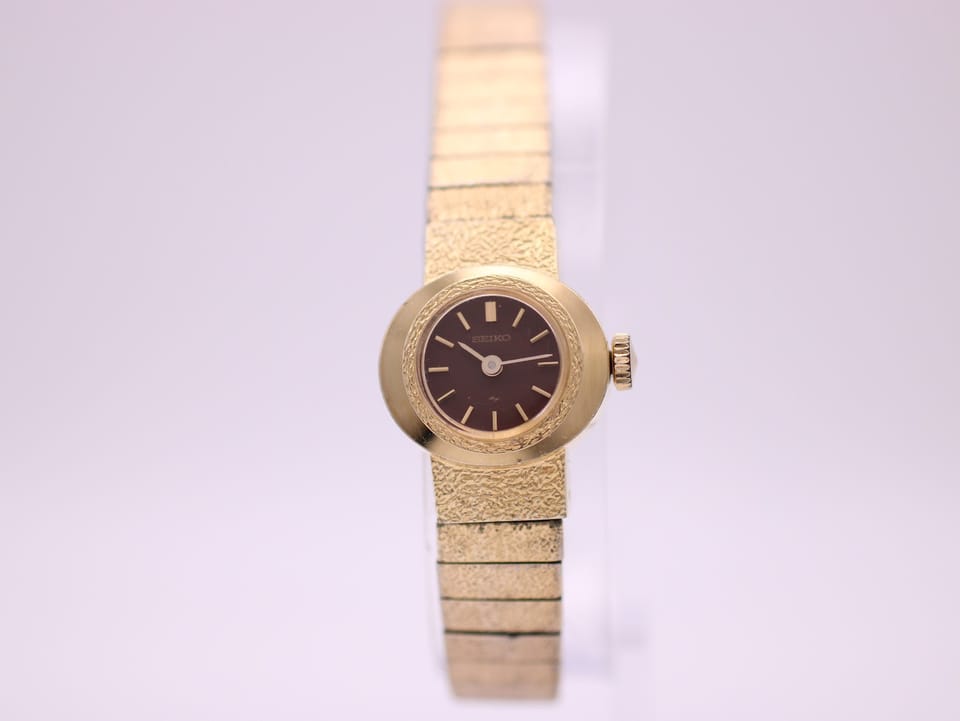
Seiko is the easiest of all, because the caseback serial is a date code. The first digit is the last digit of the year and the second is the month, running 1 to 9 and then O, N and D for October, November and December. A serial reading 534227 is the third month of a year ending in 5. The movement calibre then tells you which decade that is, so a 2205 calibre puts it in the 1970s and the watch is March 1975.
We use exactly this method on our own stock. Working through the Seikos in the collection with their casebacks in hand, a hundred and seven of them turned out to be datable to a single month, watches that had previously only been described as 1970s or 1980s.
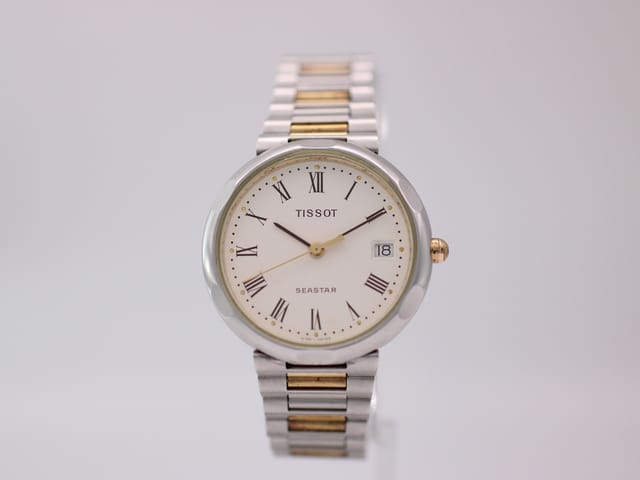
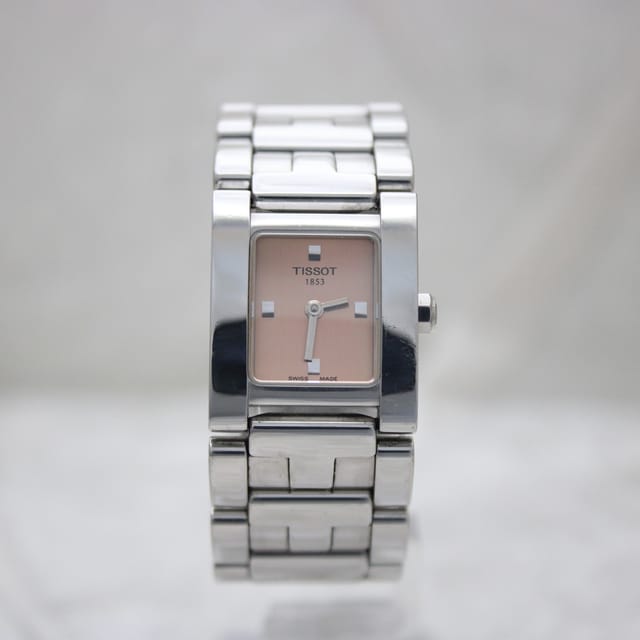
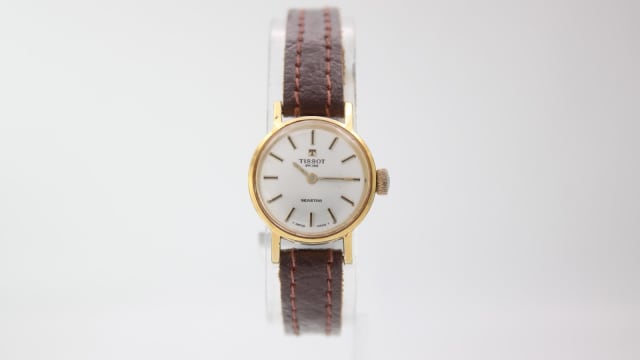
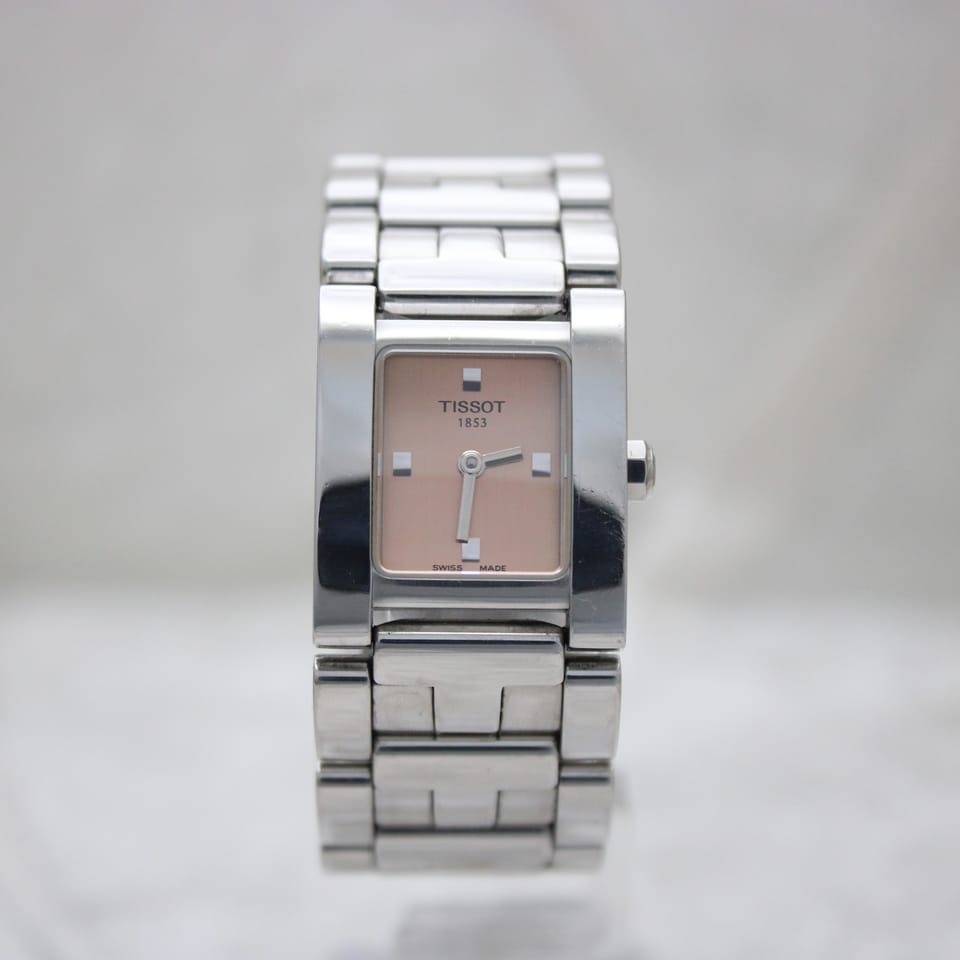
Swiss brands are less systematic. Tissot, Longines and Omega have published serial number dating charts, and community databases like Ranfft.de fill in many of the gaps. With Swiss pieces the date is often a range rather than a single year, but for a birth year hunt, "made between 1971 and 1973" is usually close enough. Our full guide to dating a vintage watch walks through the method in detail, and you can also browse by decade if you would rather start from the era.
Why so many vintage watches are only dated to a decade
This is the part most sellers skip, and it matters if you are hunting a particular year. On a great many vintage watches there is simply no evidence left that pins down a single year. The serial may be worn away, the caseback may have been replaced during a service, or the maker may never have used a sequential system in the first place. What survives is enough to place the watch in an era and no more.
The honest thing to do with those watches is to call them what they are. A piece we can only place in the 1970s is described as 1970s, not quietly rounded to a convenient year in the middle. Roughly four in five of the watches we hold are dated to a decade rather than a year, and we would rather say so than invent a precision we cannot stand behind.
For a birth year hunt that is better news than it sounds. A watch dated to the 1970s may well be from your year: we just cannot prove it from the caseback alone. If you are looking at one and the year genuinely matters, ask us before you buy. We will go back to the watch, read the serial and the calibre, and tell you what the evidence actually supports, including when the answer is that we cannot narrow it down.
What to look for
Once you have a shortlist from your birth year, condition becomes the main thing to weigh up. For a watch you actually intend to wear, very good condition is the sweet spot: working, presentable, and without the fragility of a truly mint example you would be afraid to put on.
Pay particular attention to the dial. Dials are the hardest and most expensive component to restore authentically, and a degraded dial is rarely recoverable. Cases and bracelets can be polished or replaced; a faded or cracked dial changes the character of the piece entirely.
Setting a budget
Birth year watches vary enormously in price. A Seiko from 1982 might cost £40; a Swiss dress watch from 1968 could be £200 or more, depending on the maker. Most buyers find a budget in the £60 to £200 range offers a wide field of excellent candidates from reputable Japanese and Swiss manufacturers, and our guide to the best vintage watches under £200 covers exactly what that money buys.
The key is patience. The right piece is out there. It may take a few weeks to surface, but the hunt is half the pleasure. You can search our collection by year to see what we have from yours today, and if nothing is dated to your exact year, the rest of that decade is usually the next best place to look.
Start with your year
Every year from 1930 onwards has its own page on the site, showing the watches we can date to that exact year first and the rest of the decade underneath, along with a note on what was happening in watchmaking at the time. If you were born in 1974, 1974 is the place to start; 1985 has its own page too, as does every year in between.
New watches arrive most weeks, so a year that is thin today may not be next month. If you are hunting something specific, tell us the year and we will keep an eye out.
Frequently asked questions
Can you tell exactly what year a vintage watch was made?
Sometimes. Seiko casebacks carry a date code that gives the month and year outright, and several Swiss makers published serial number charts that narrow a watch to a year or two. On many vintage watches the evidence has worn away or was never sequential, and the honest answer is a decade rather than a year.
What if nothing is dated to my exact birth year?
Look at the rest of that decade. Around four in five vintage watches can only be dated to a decade, so a piece described as 1970s may well be from your year even though the caseback cannot prove it. Ask us before you buy and we will read the serial and the calibre and tell you what the evidence supports.
Which brands are easiest to date to an exact year?
Seiko, comfortably. The first digit of the caseback serial is the last digit of the year and the second is the month, and the movement calibre places the decade. Tissot, Longines and Omega published serial charts that get you to within a year or two. Unbranded and lesser known makers are usually only datable by style and movement.