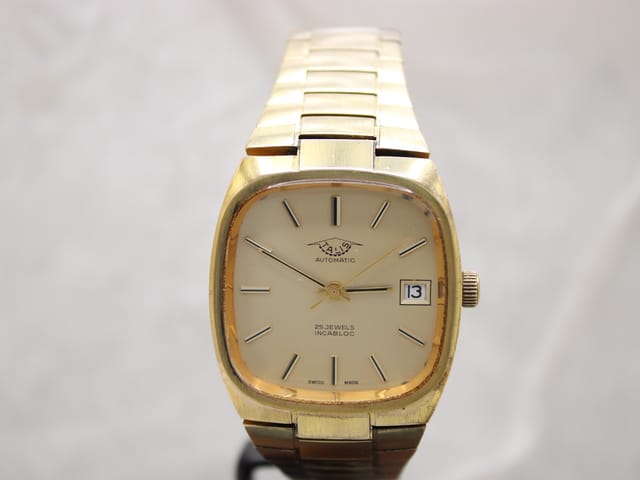
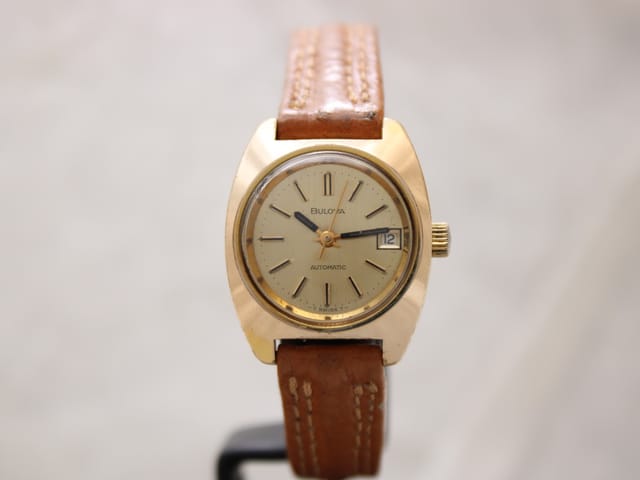
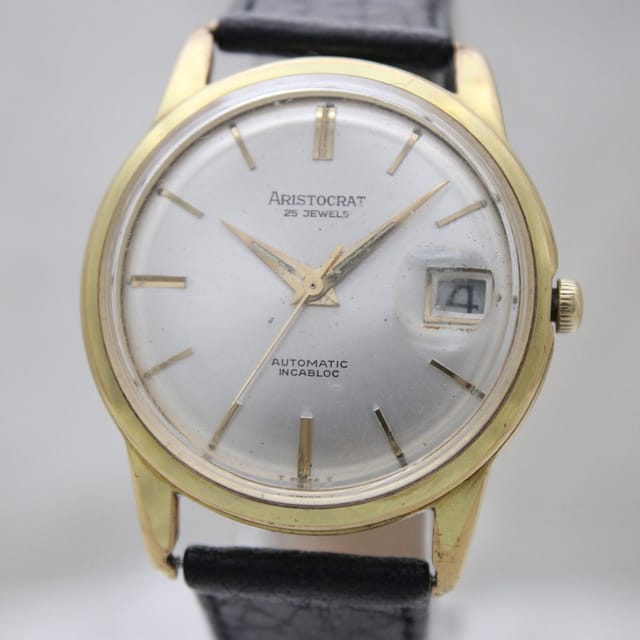
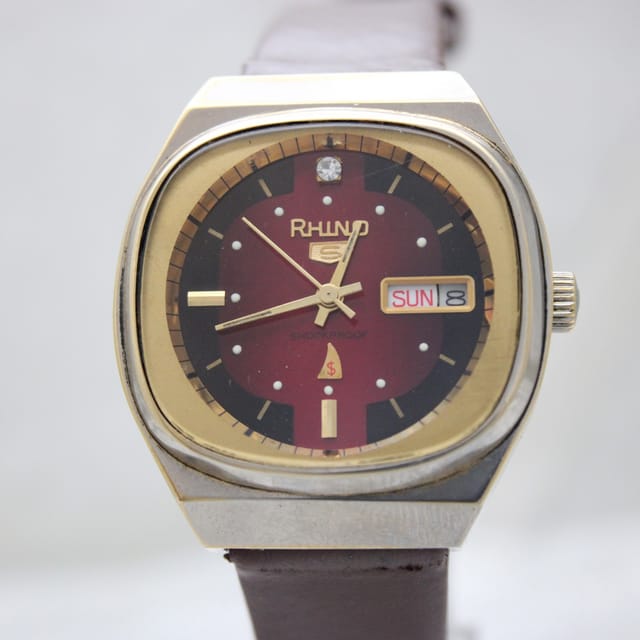
The appeal of a mechanical watch
Nothing about a mechanical watch is necessary any more, which is precisely its charm. The sweep of the second hand, the faint rotor spin you can feel when you set it down, the knowledge that a hundred tiny parts are working together on your wrist: an automatic offers a relationship with an object that no quartz or smartwatch can.
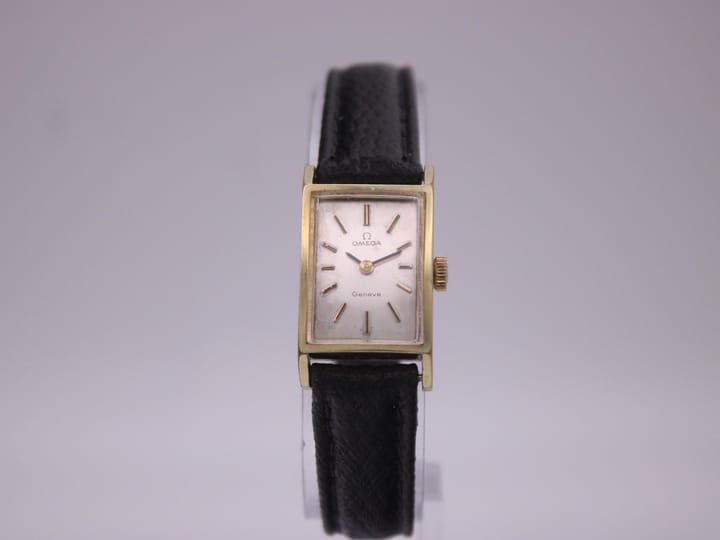
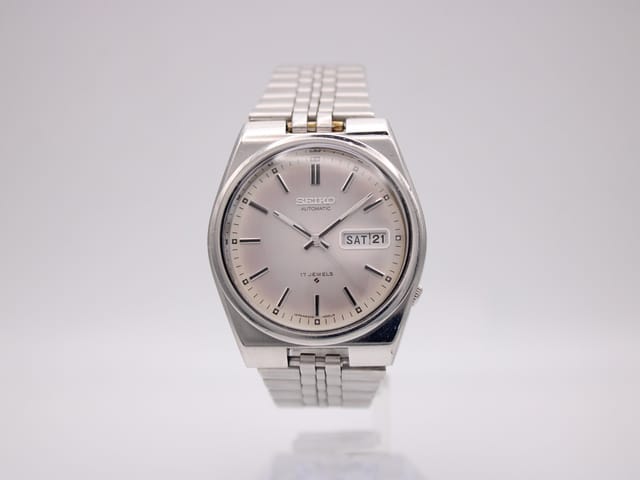
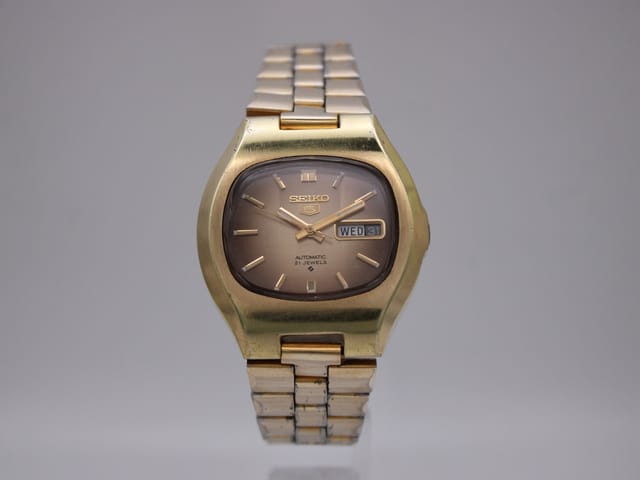
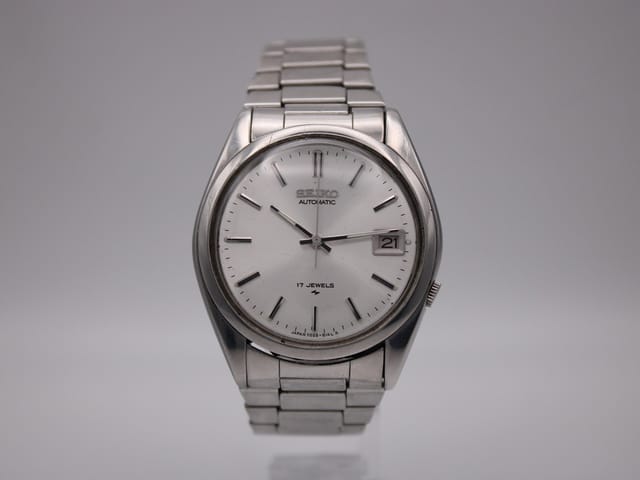
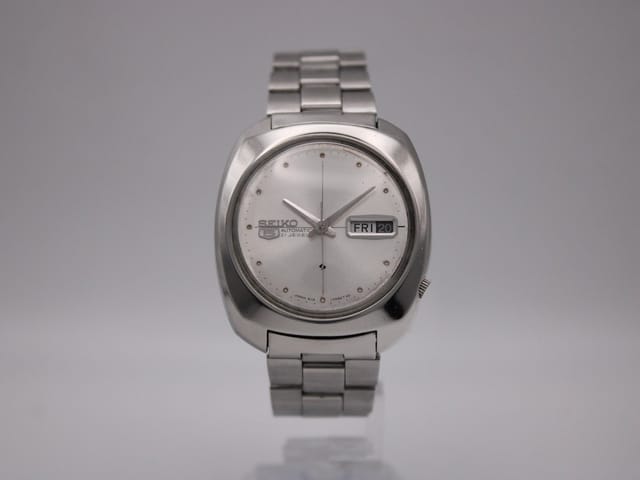
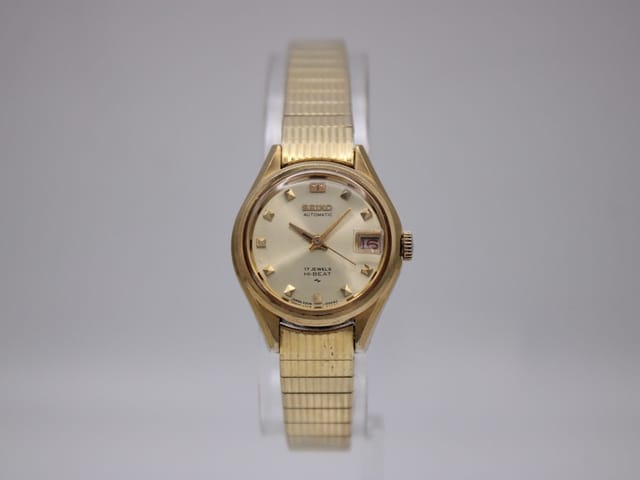
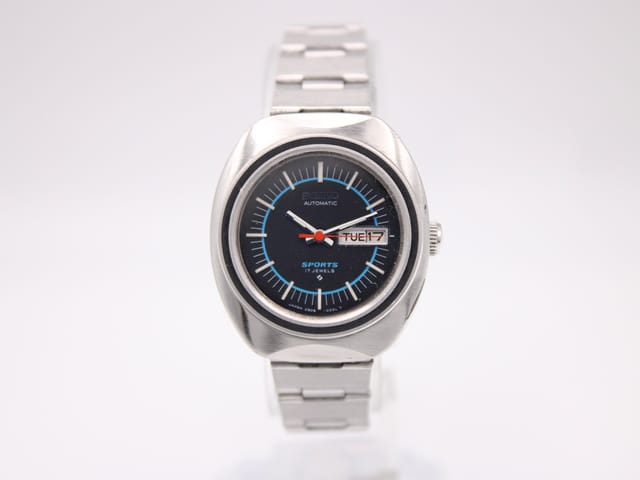
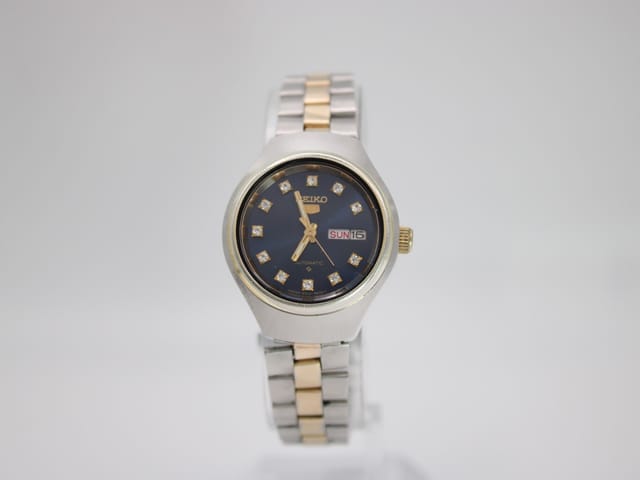
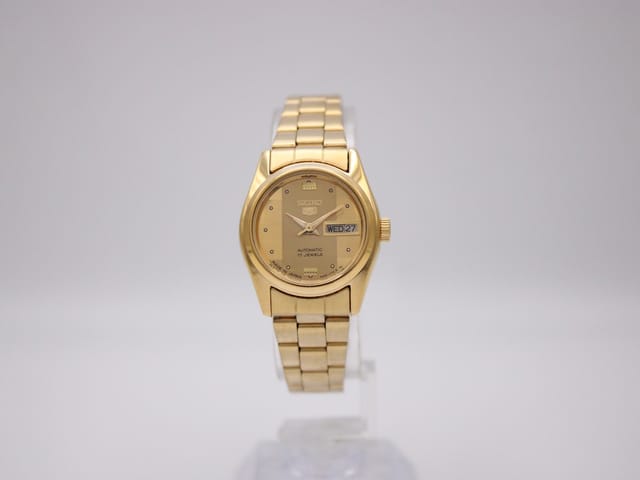
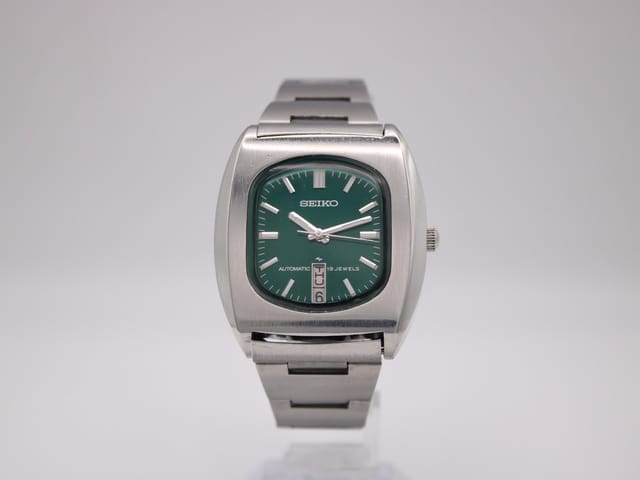
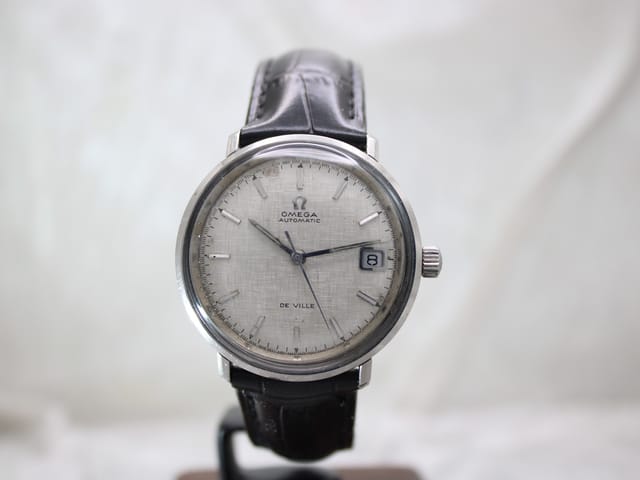
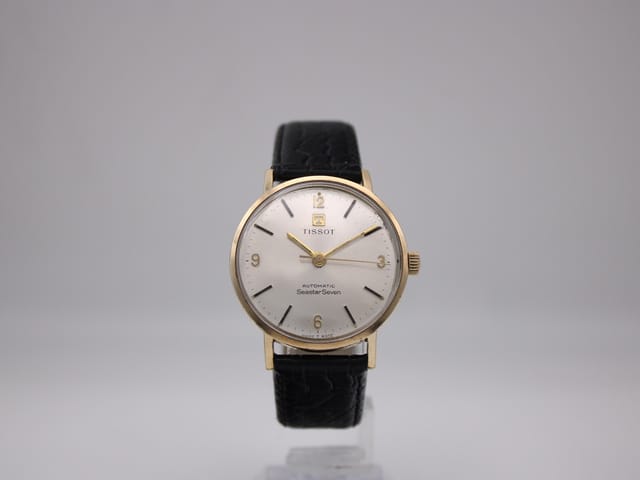
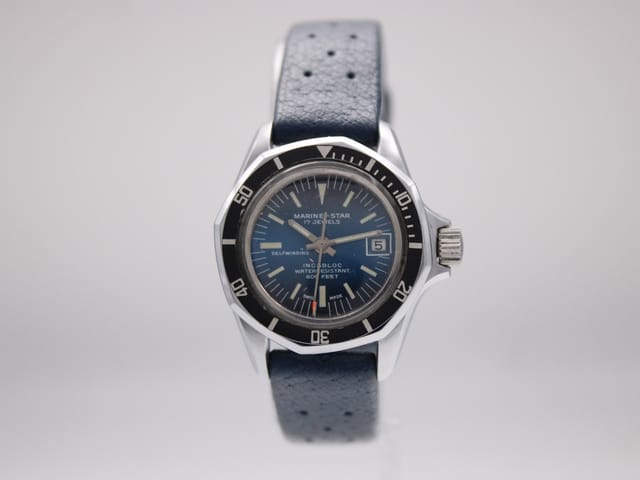
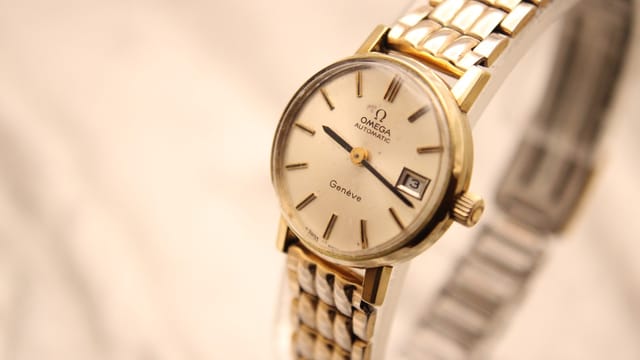
Vintage automatics add history to that. A Seiko 5 from 1975 or a Swiss automatic from the 1960s has already run for half a century. Properly kept, it will run for another.
What to know before buying
A healthy vintage automatic should wind smoothly, hold a power reserve overnight, and keep time to within a minute or so a day depending on the calibre. We test all three on every mechanical watch we list, and describe the movement's behaviour honestly in the listing.
Servicing is the long-term consideration. Like a classic car, a mechanical watch benefits from an occasional service, typically every five to seven years of regular wear. The common Japanese and Swiss calibres we stock are exactly the ones any competent watchmaker can look after.
Automatic versus hand-wound
An automatic winds itself from the motion of your wrist; a hand-wound (manual) watch asks for a few turns of the crown each morning. Neither is better. Automatics suit daily wear, while manuals tend to be slimmer and bring a small daily ritual that many owners come to love. Vintage collections need both: the great dress watches of the 1950s and 1960s are mostly manual, while the sports and everyday pieces from the late 1960s onward are mostly automatic. If it is a manual movement you are after, browse our hand-wound watches collection separately.
The calibres worth knowing
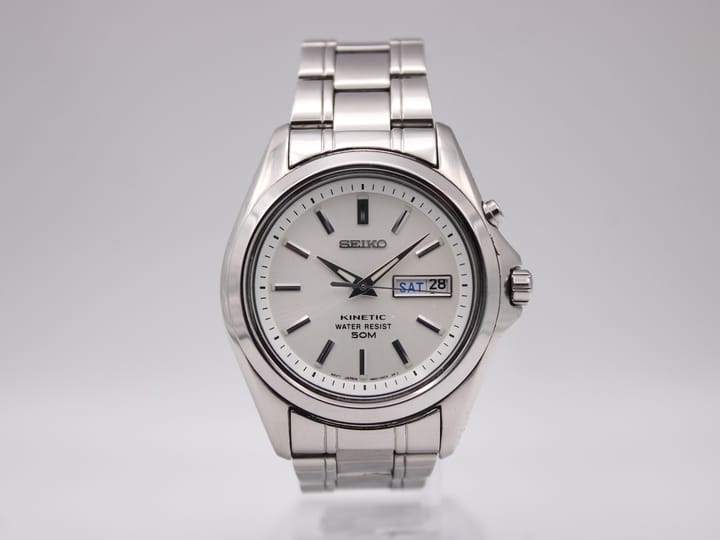
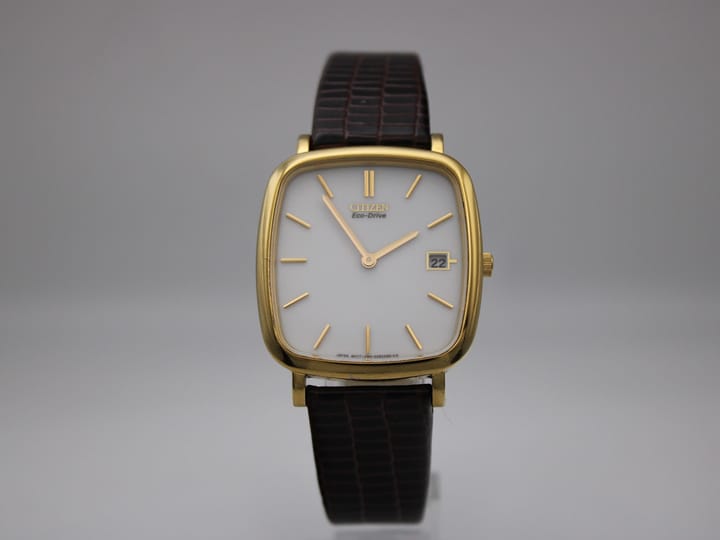
On the Japanese side, Seiko's 6119 and 6309 families and the eternal 7S26 are the definition of unkillable, and Citizen's 8200 series is their equal. On the Swiss side, the ETA 2824 and its ancestors power half the industry to this day, and unassuming brands like Certina and Roamer built in-house automatics that specialists still rate above their price.
A recognisable calibre matters for one practical reason: parts. A watch running a well-known movement can be serviced by any competent watchmaker for decades to come, which is the difference between a lasting purchase and a future paperweight.