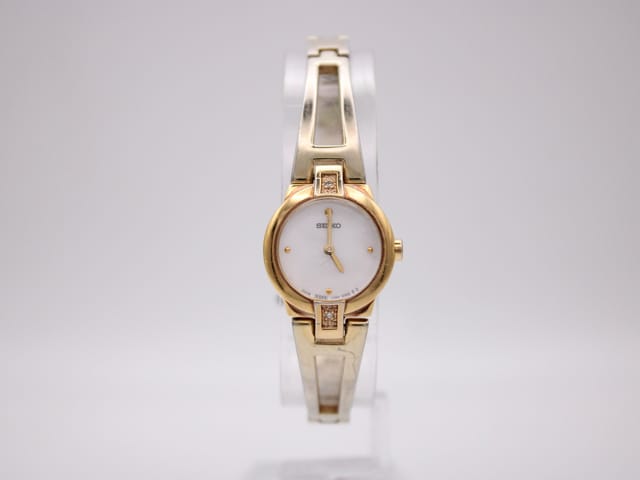
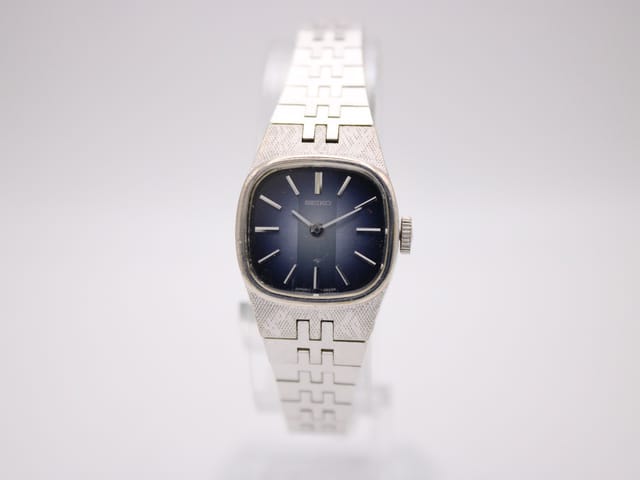
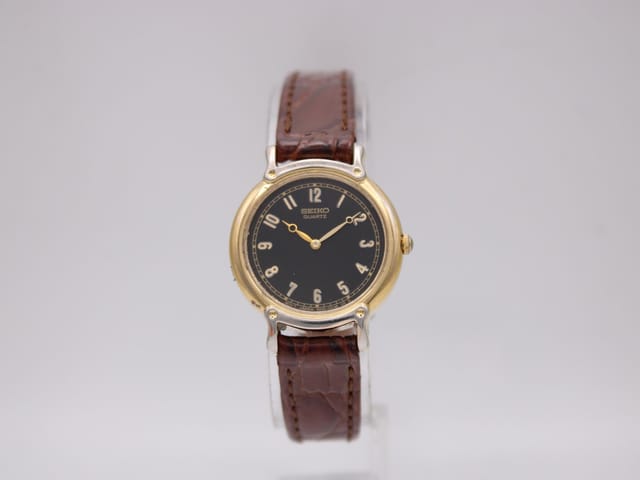
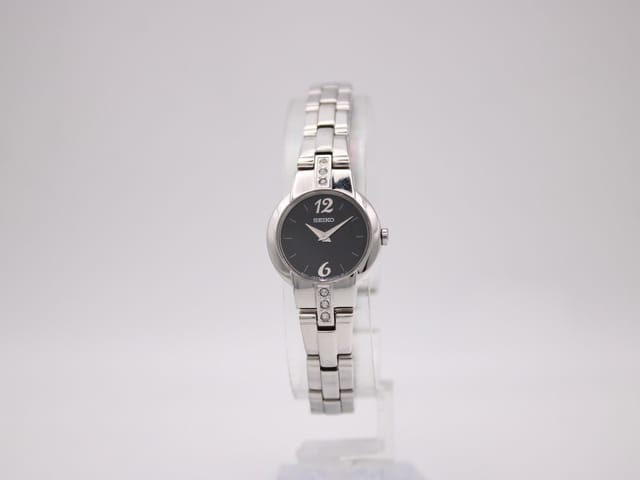
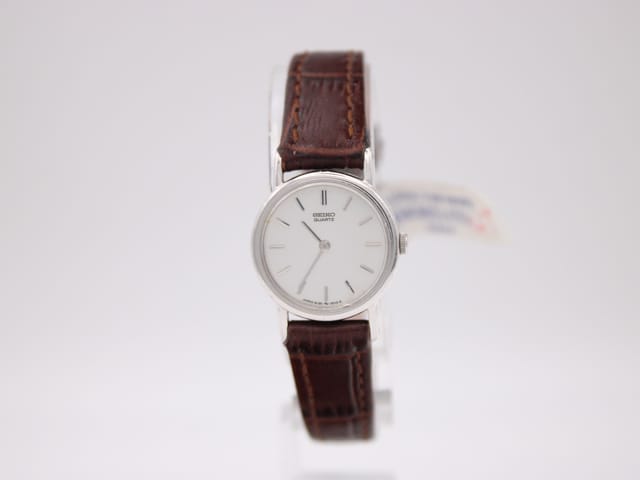
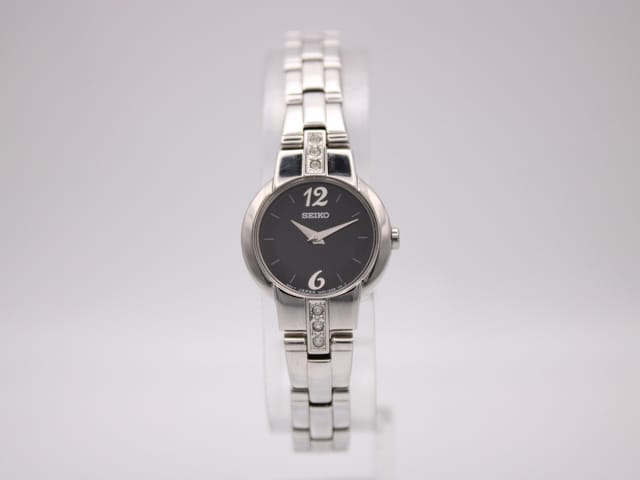
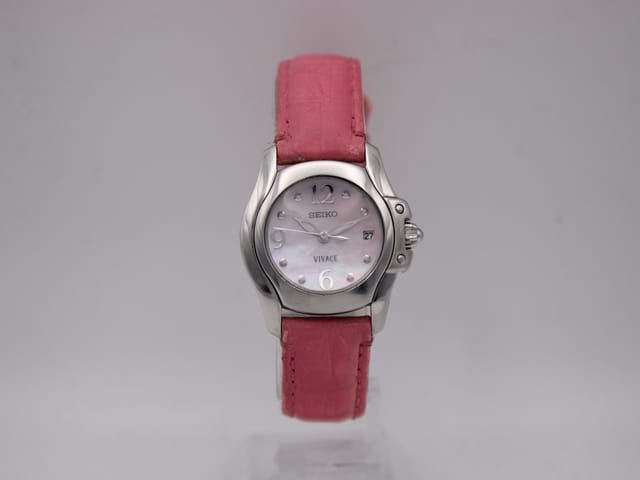
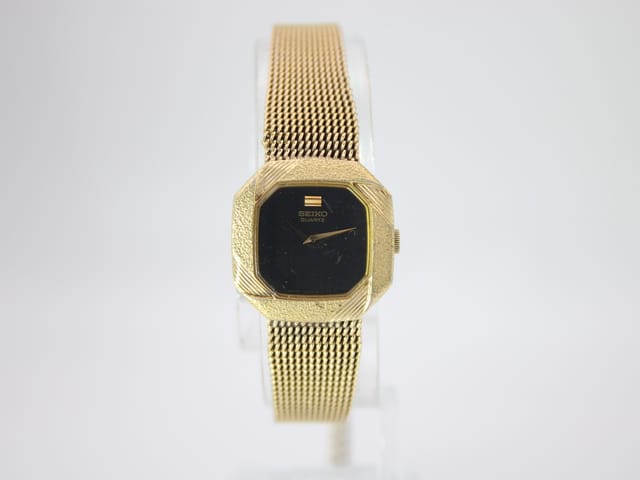
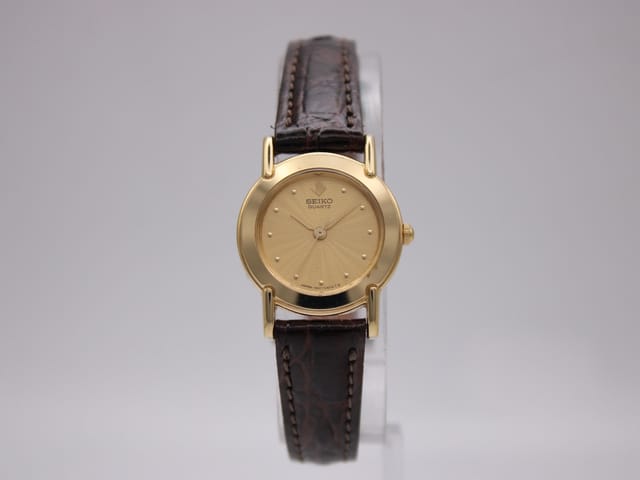
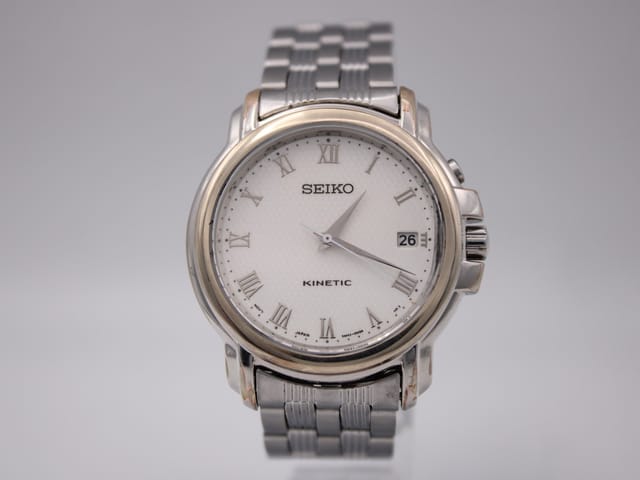
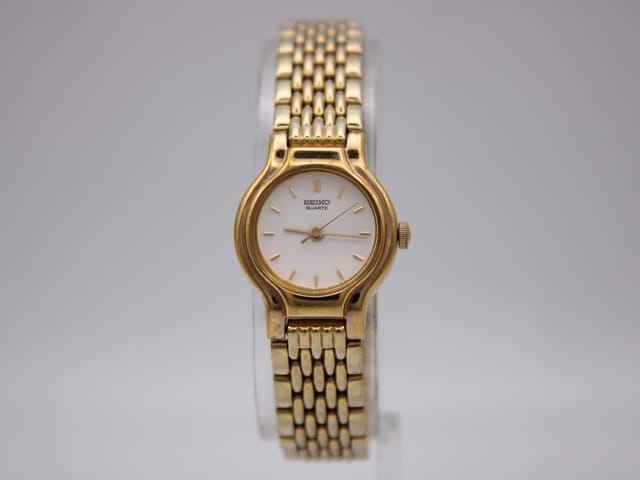
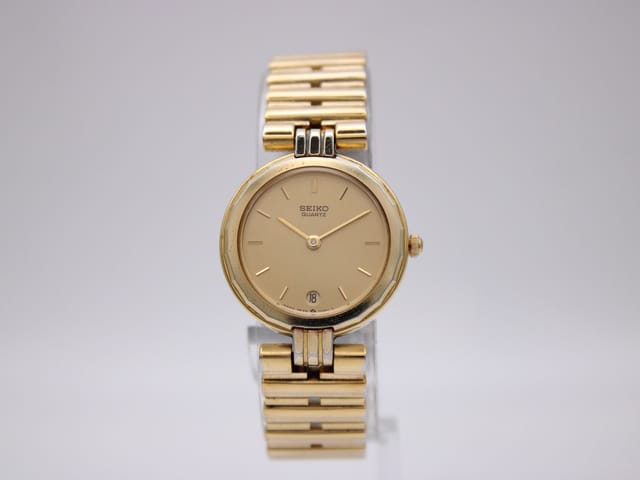
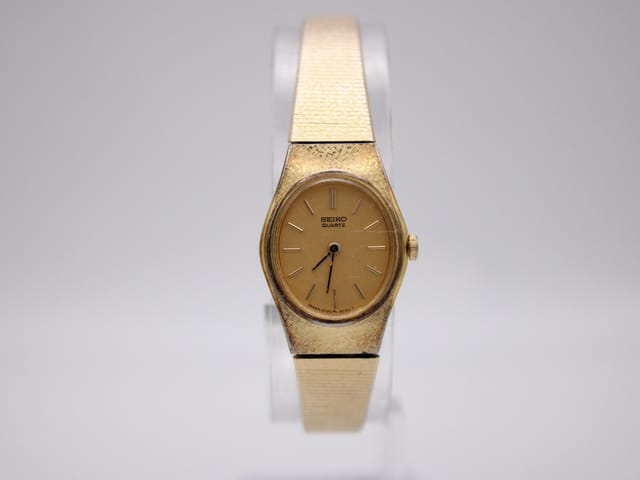
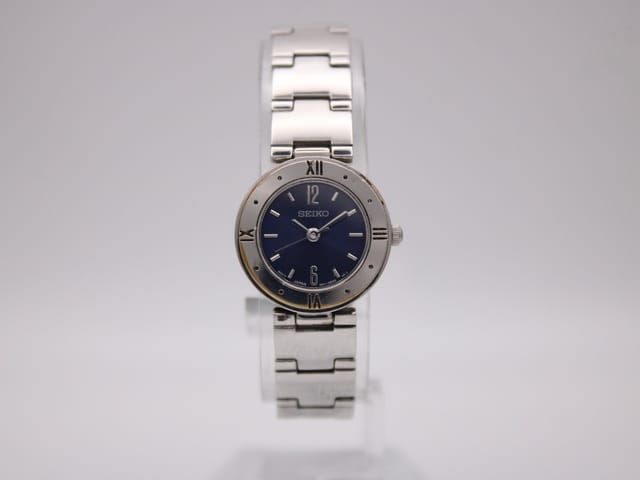
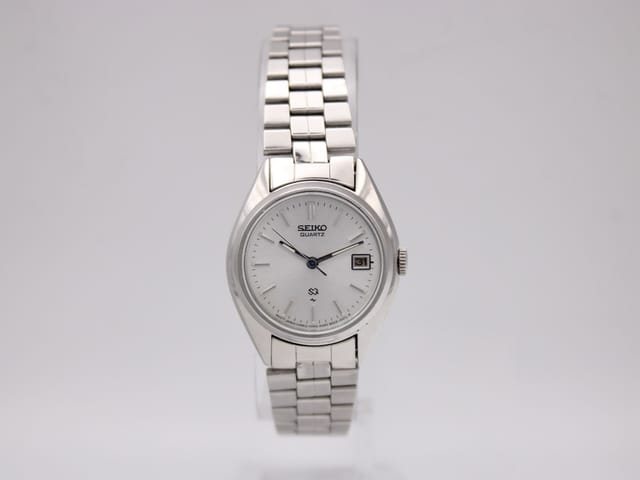
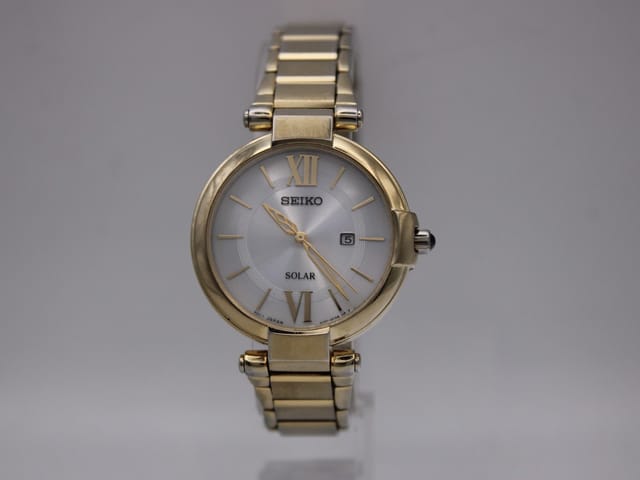
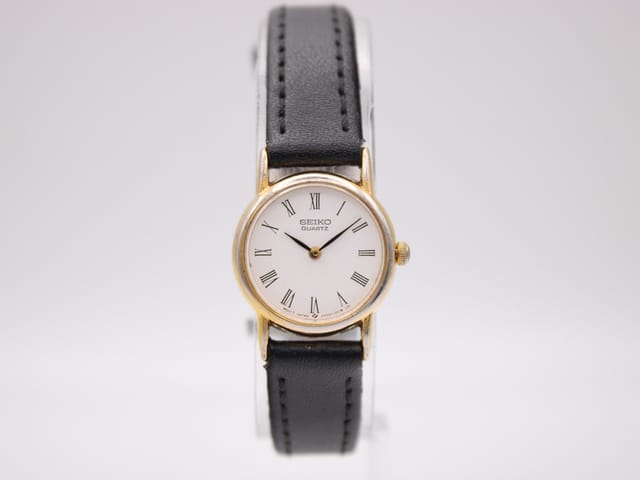
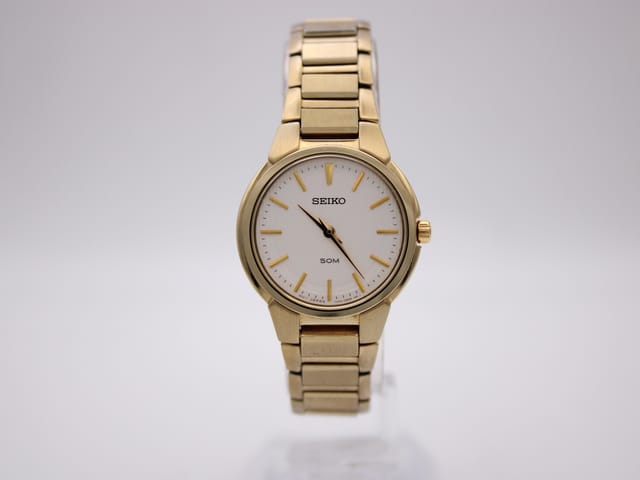
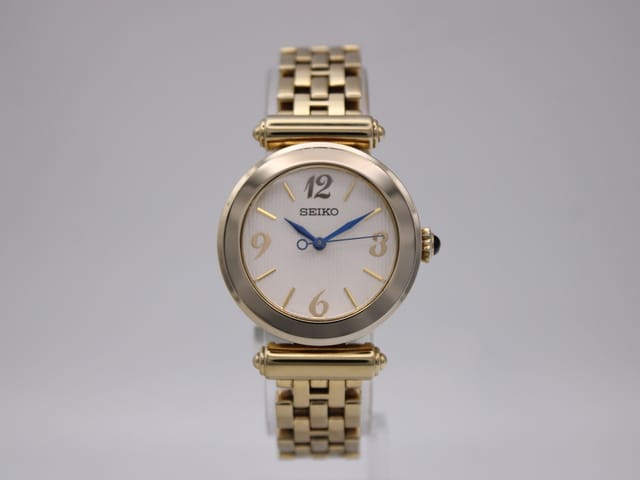
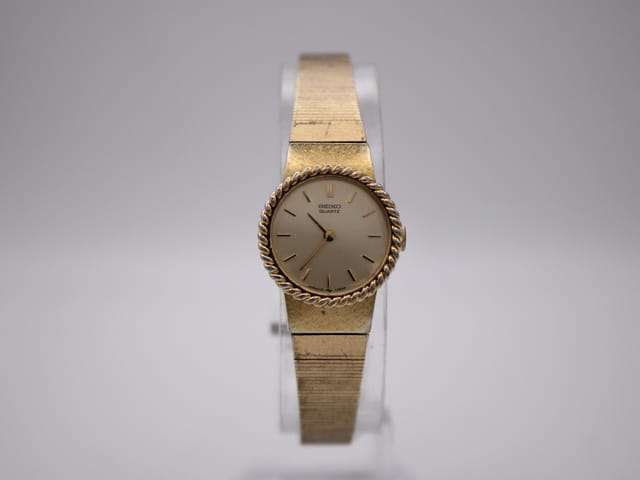
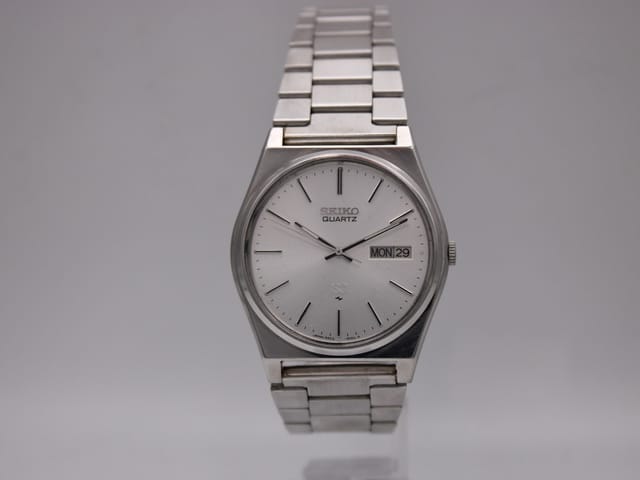
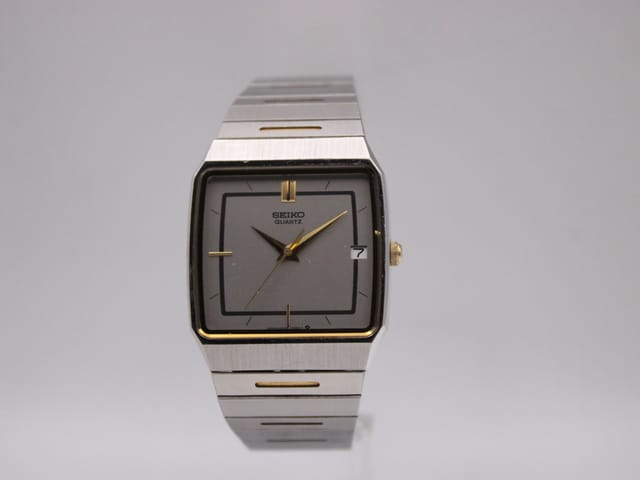
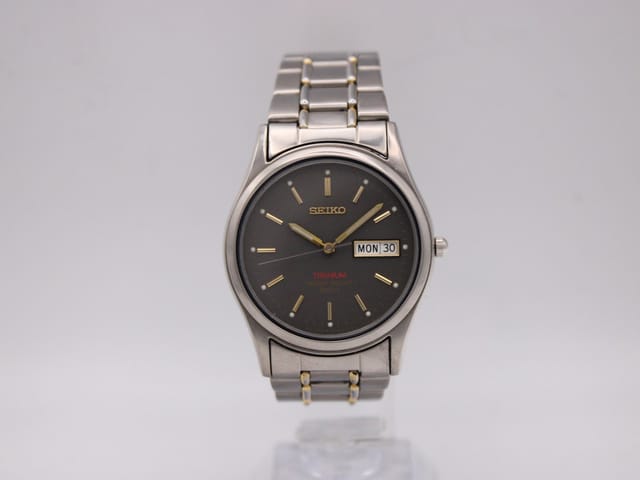
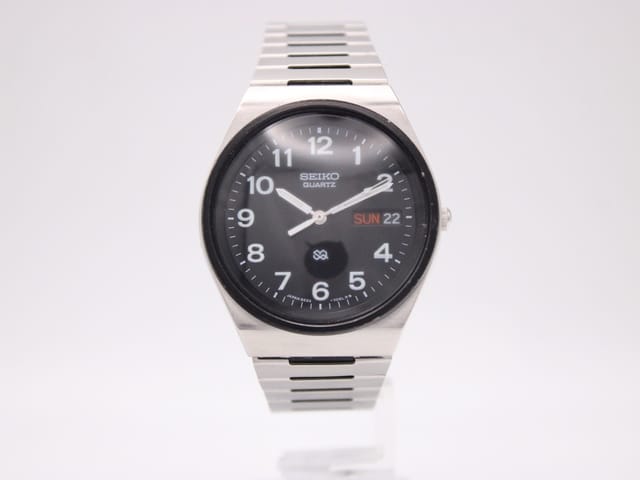
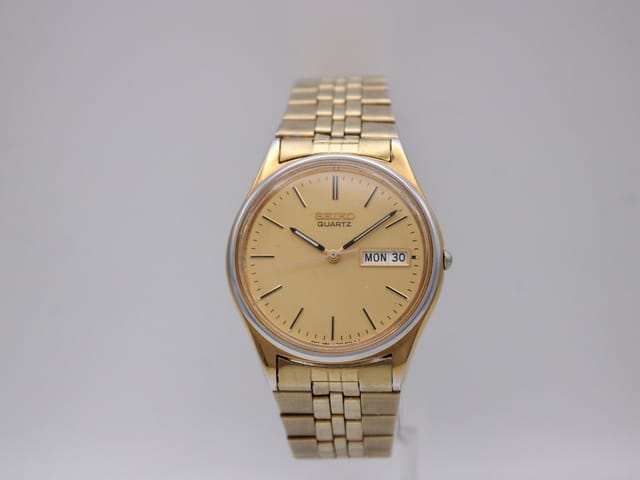
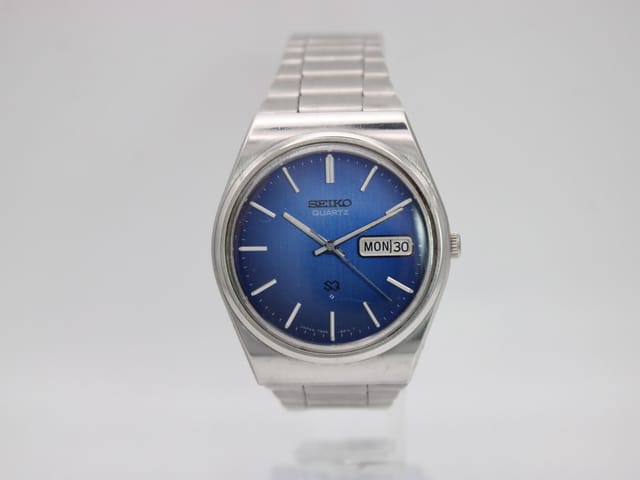
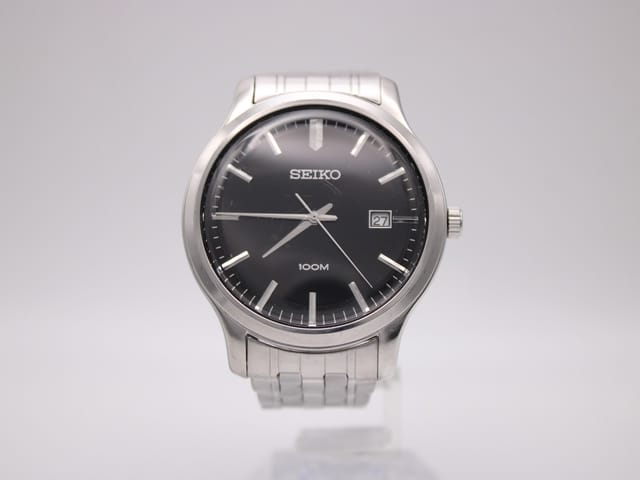
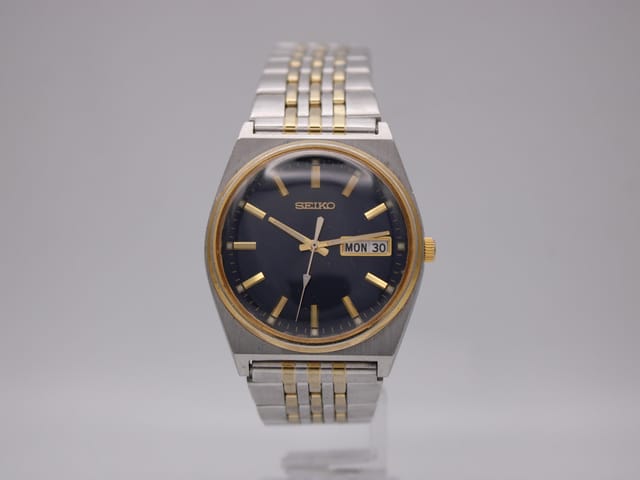
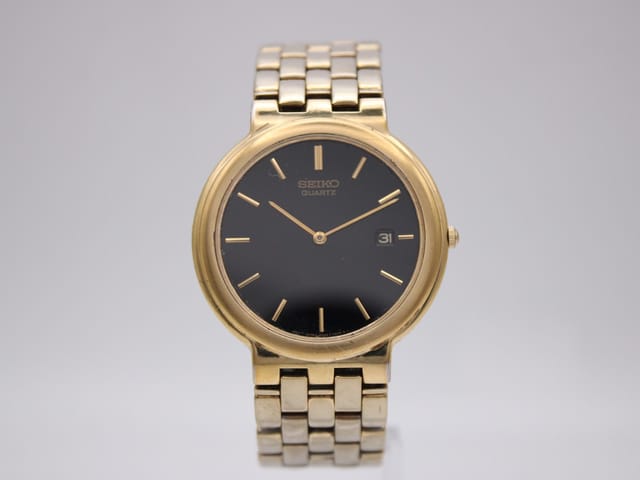
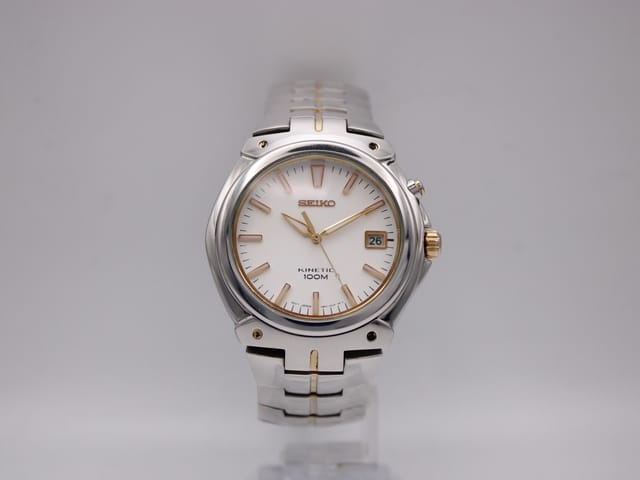
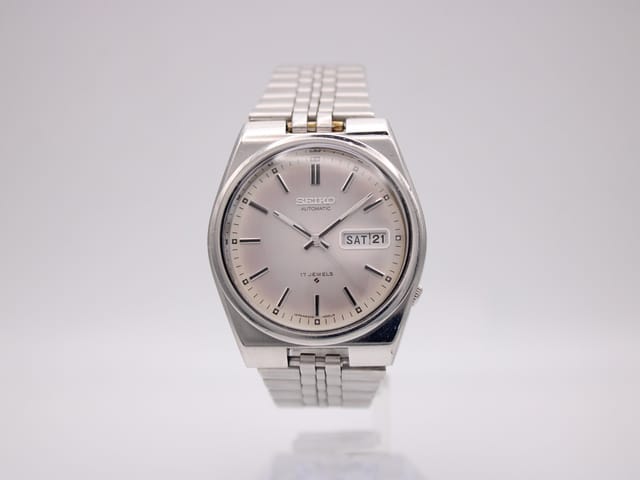
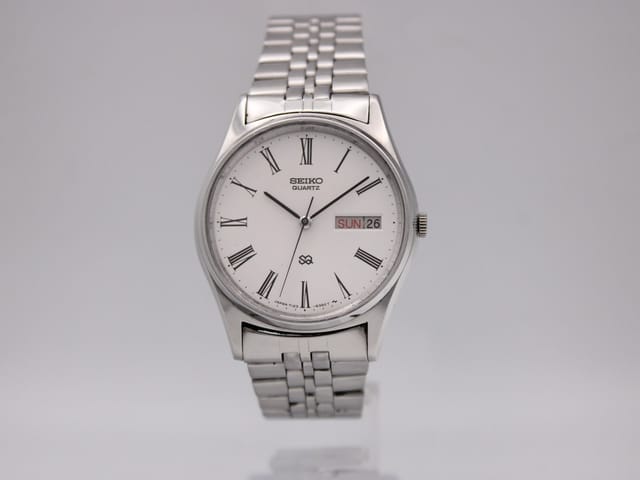
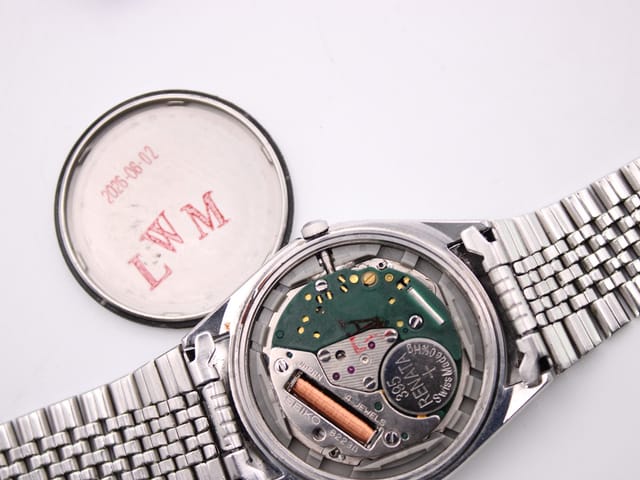
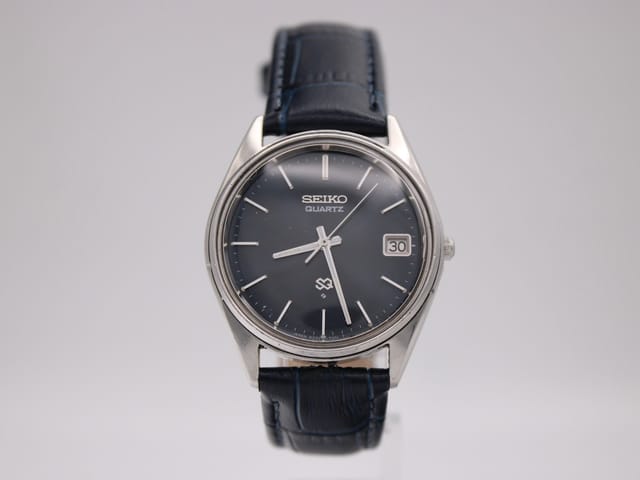
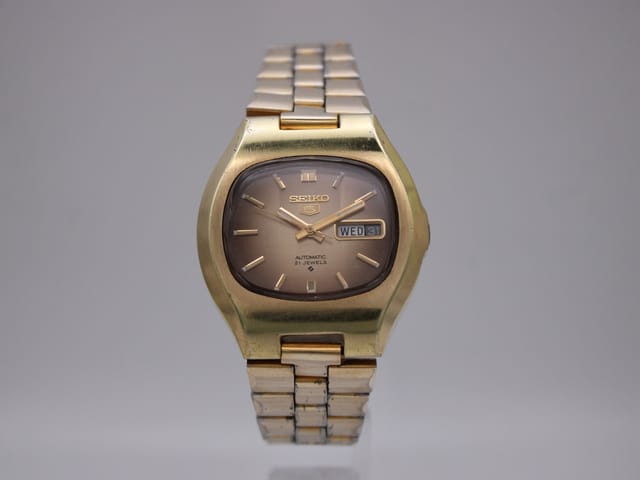
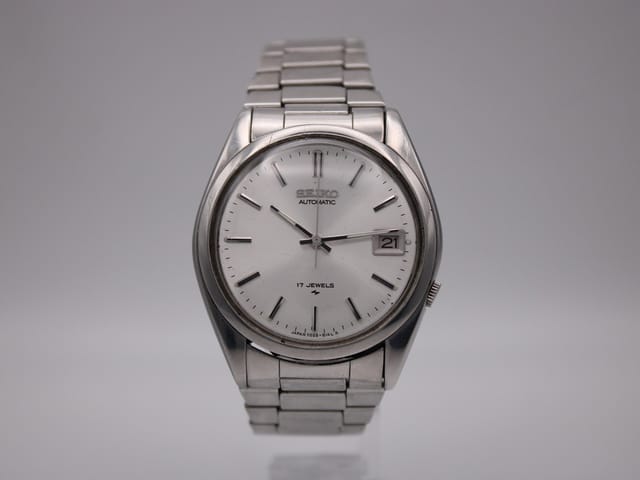
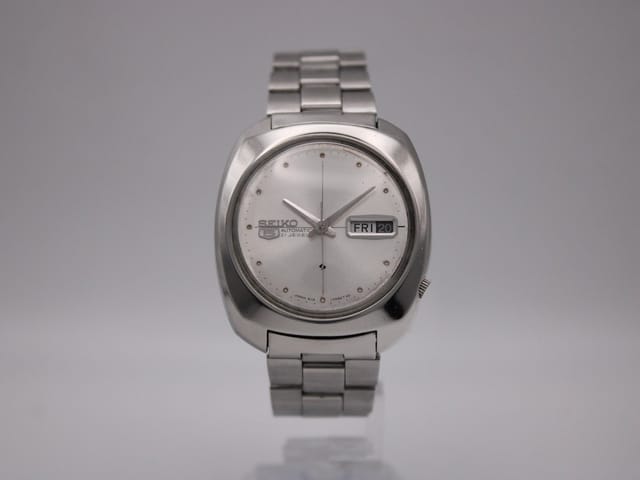
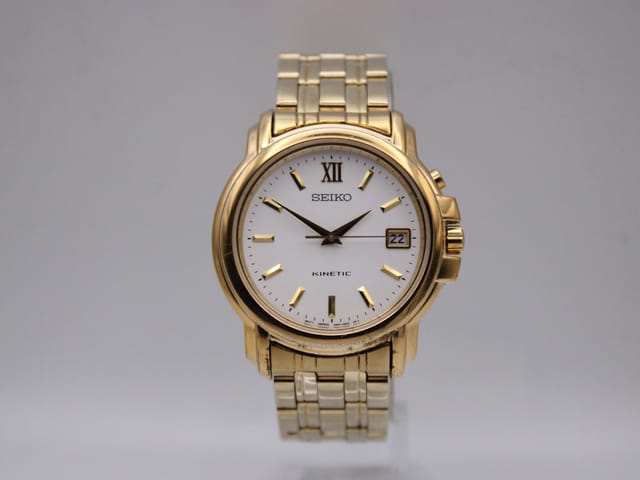
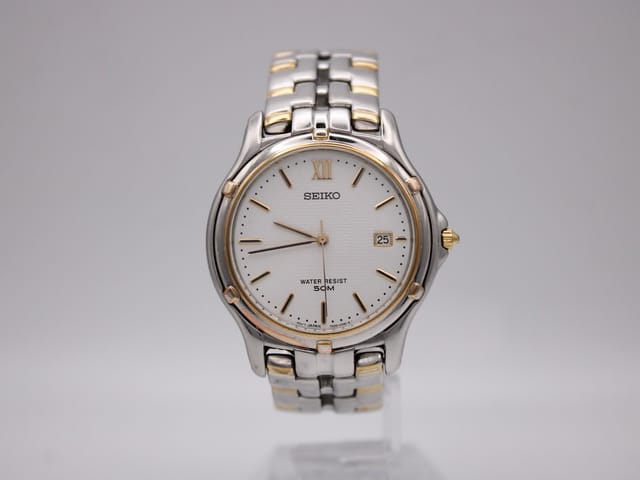
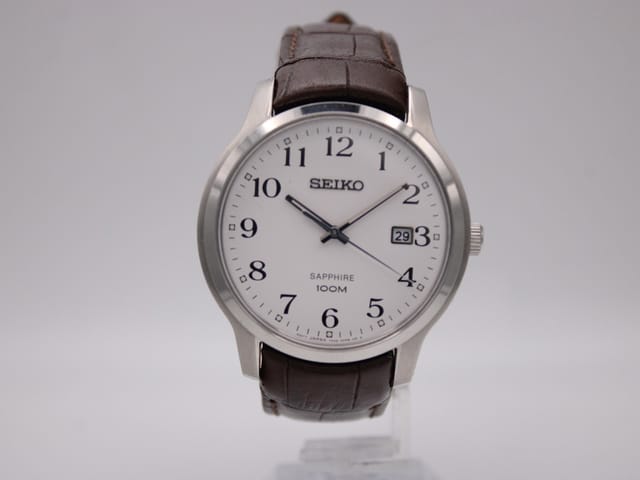
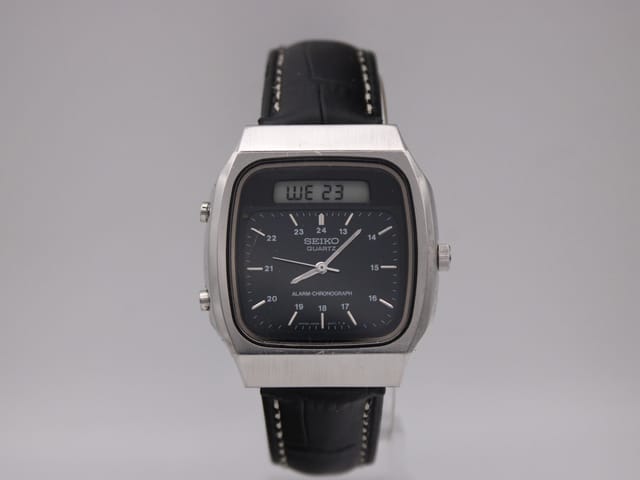
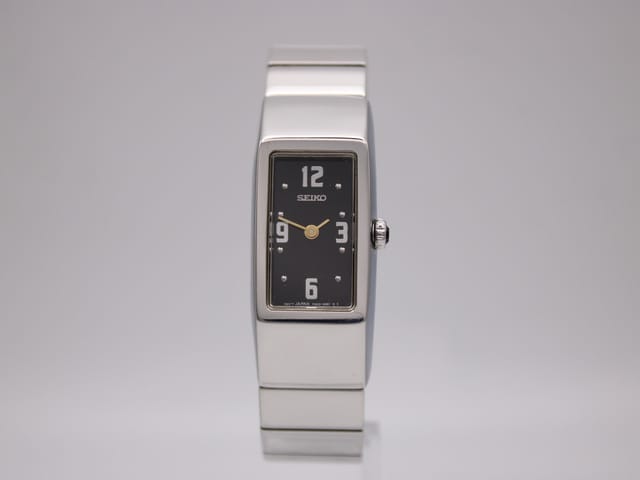
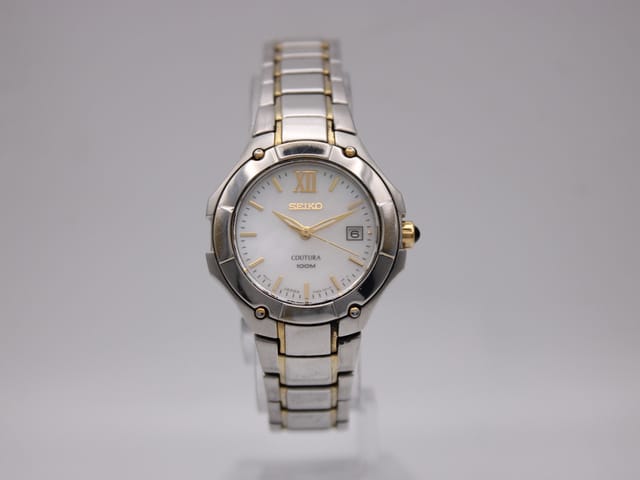
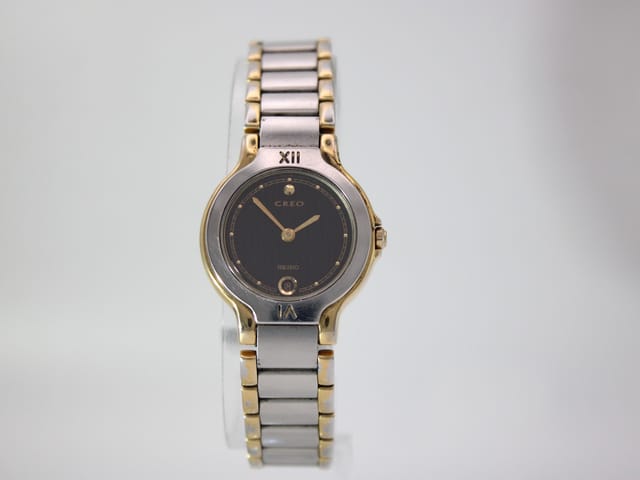
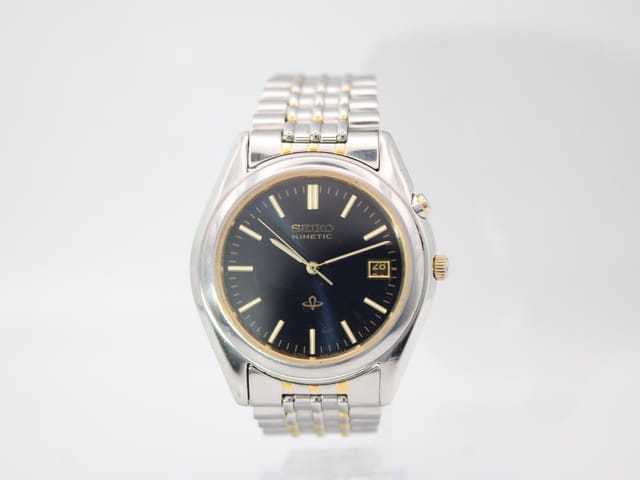
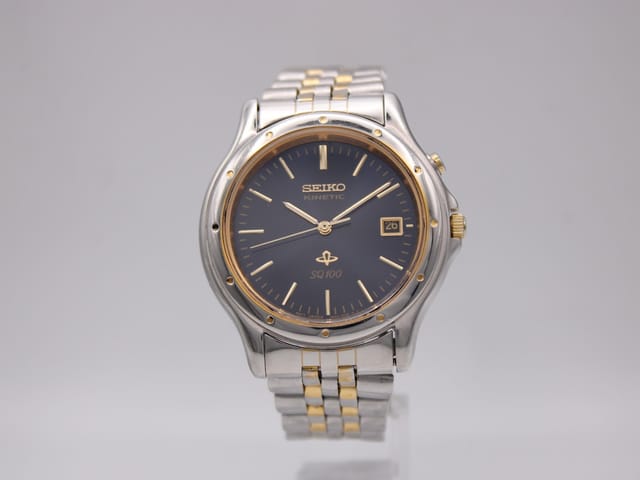
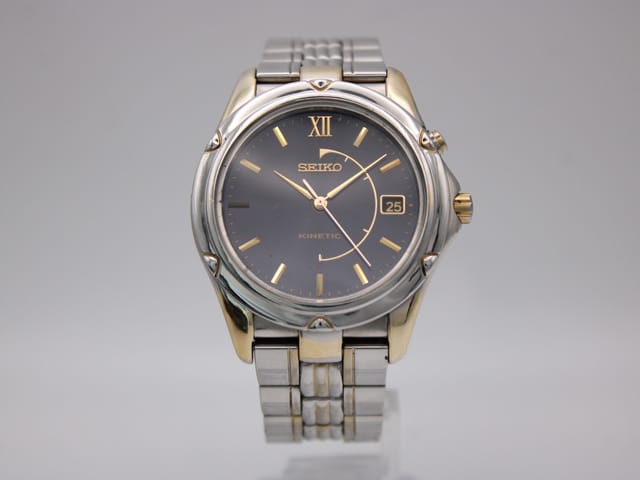
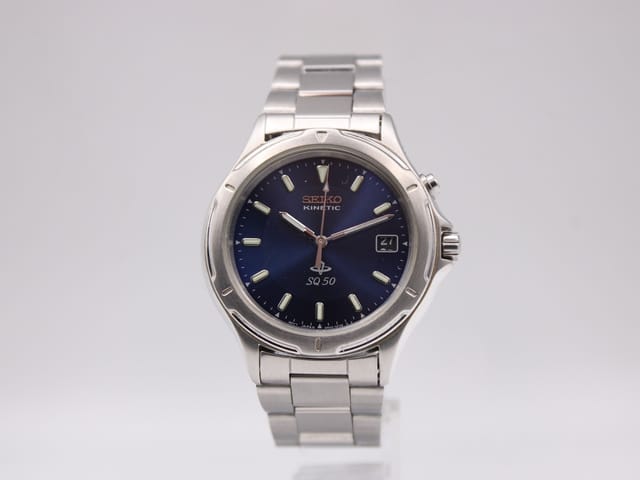
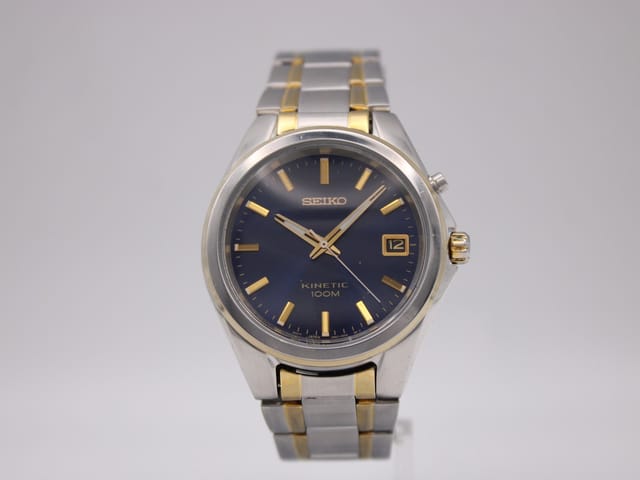
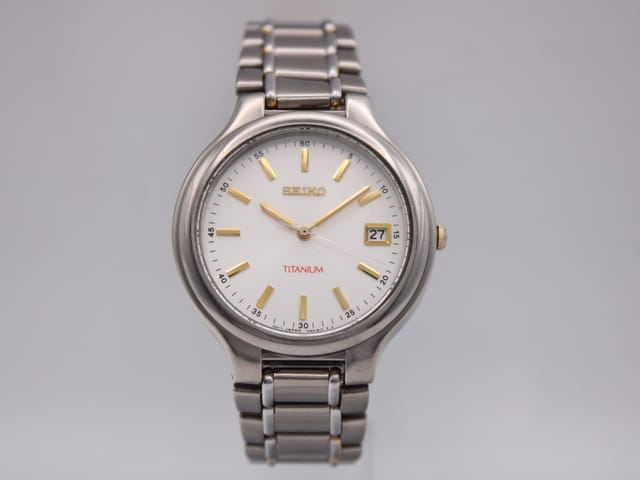
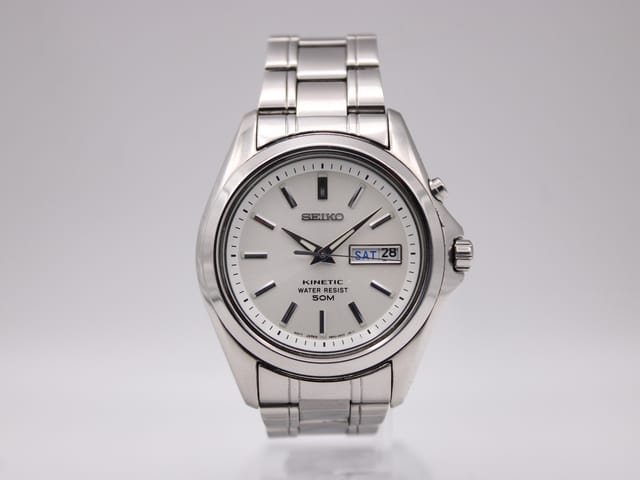
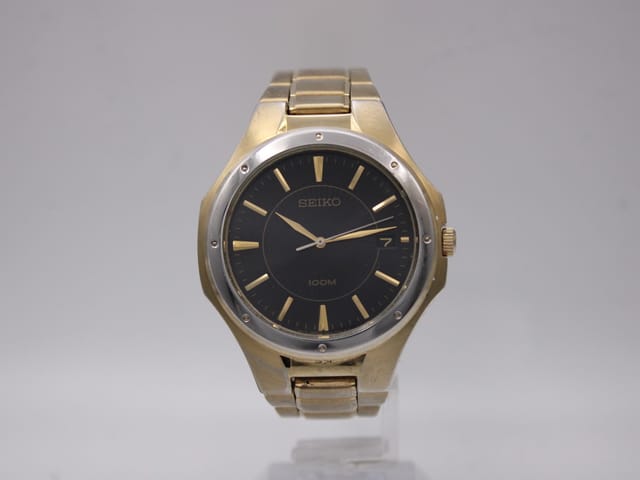
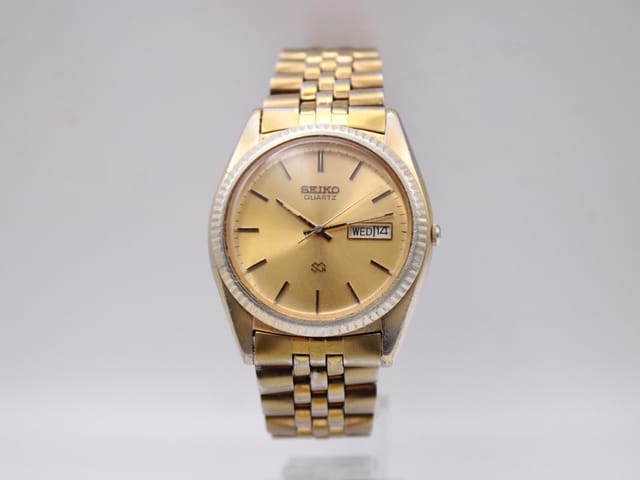
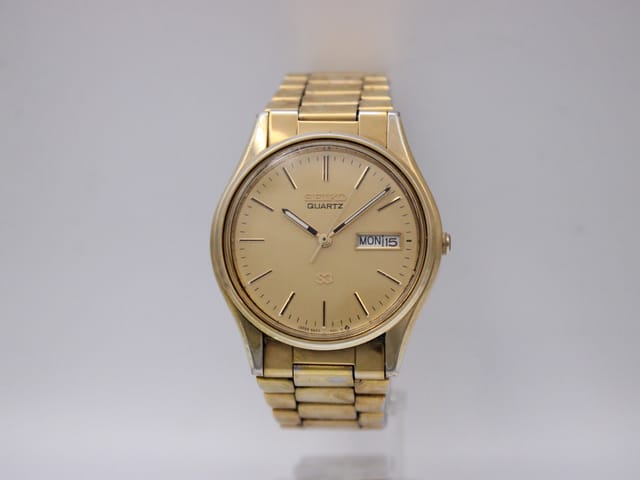
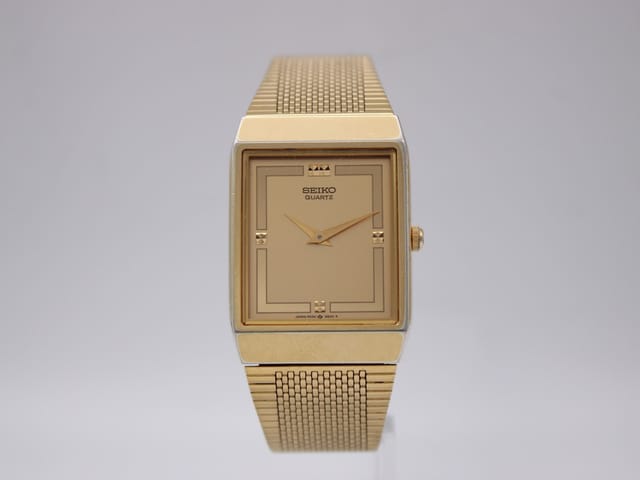
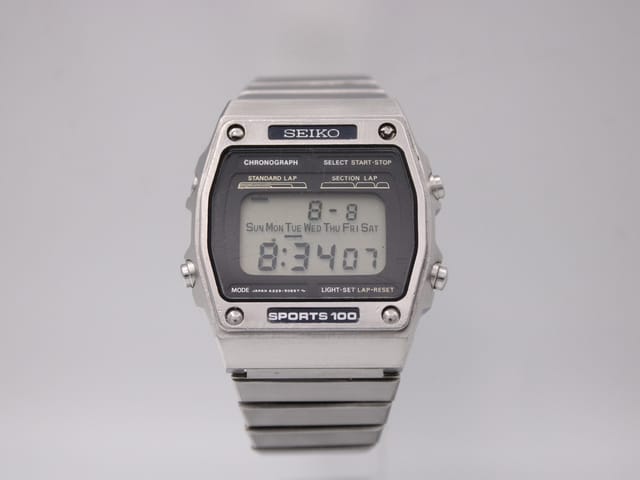
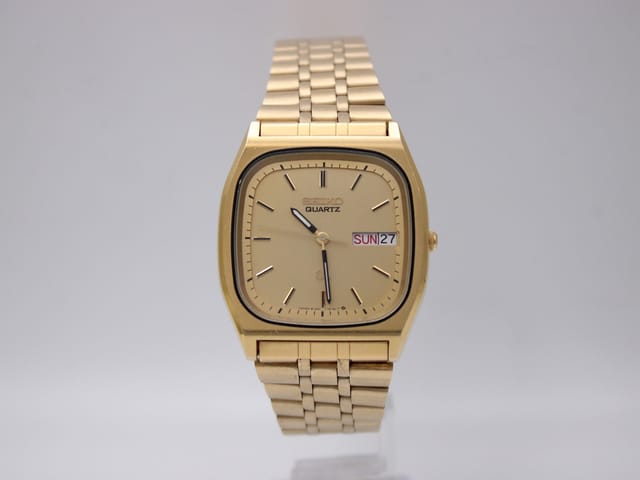
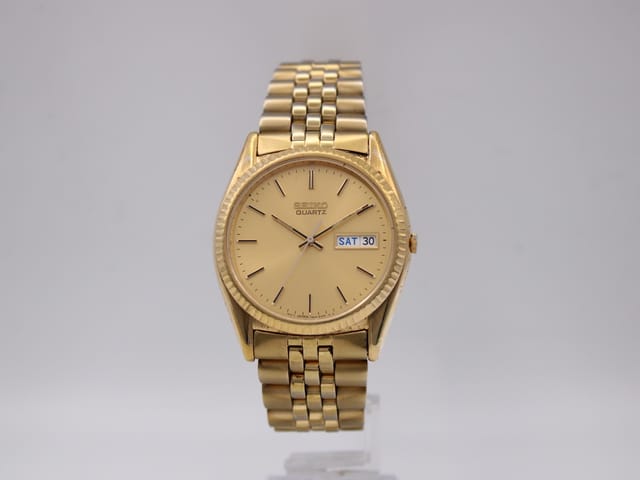
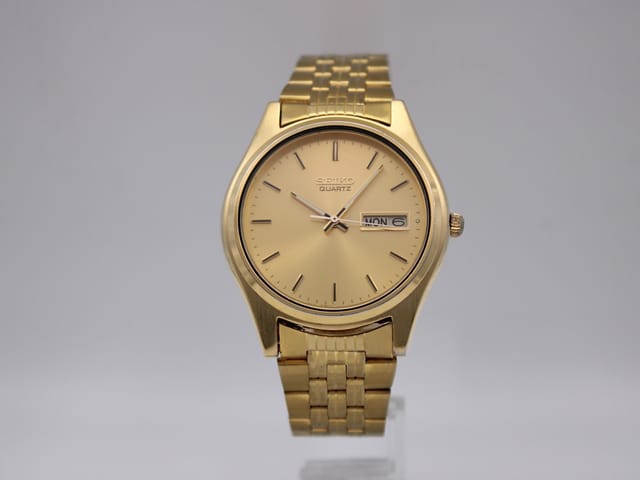
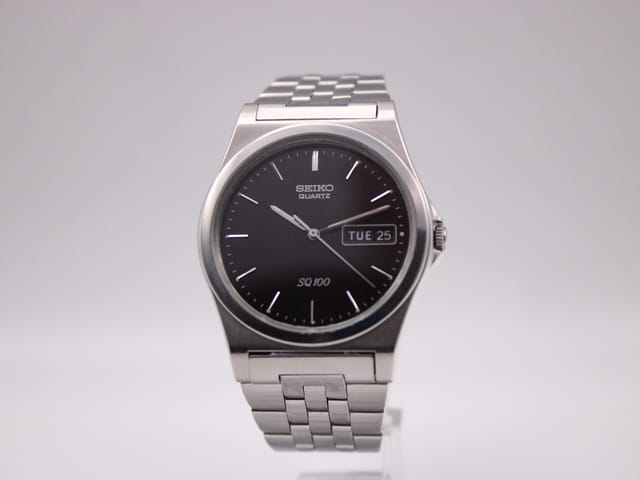
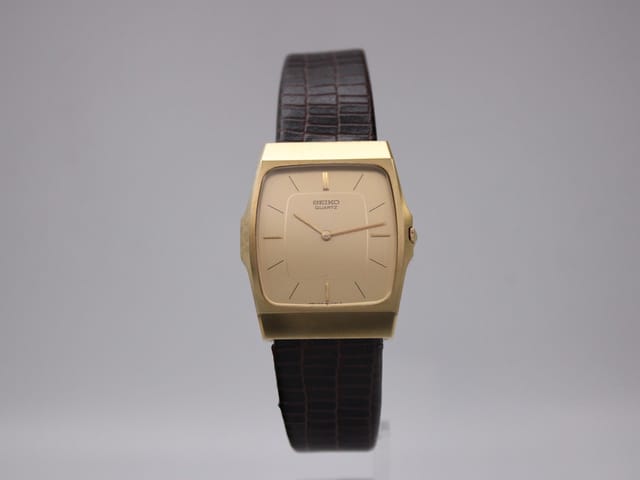
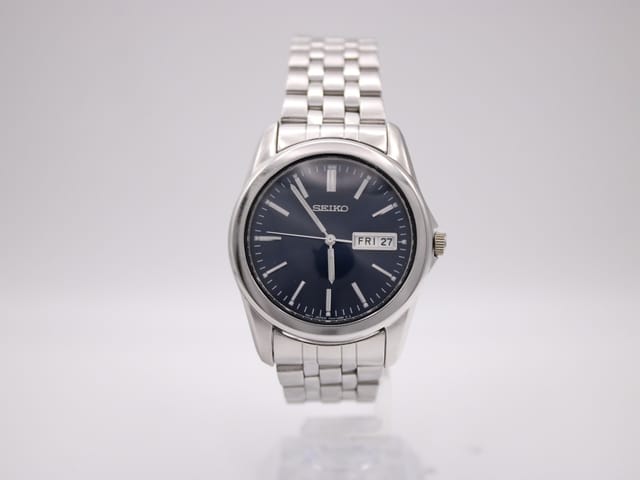
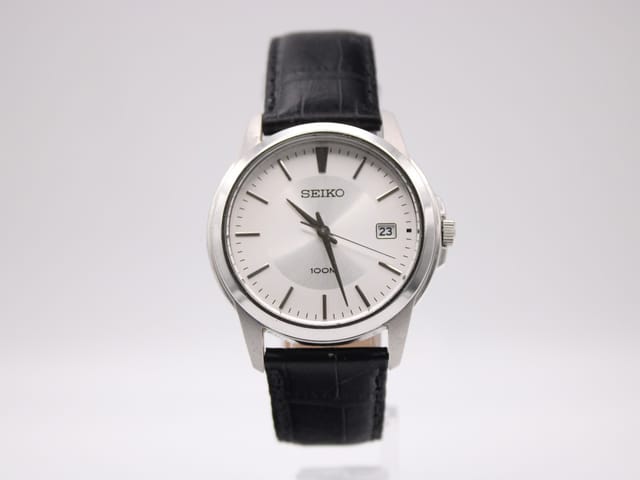
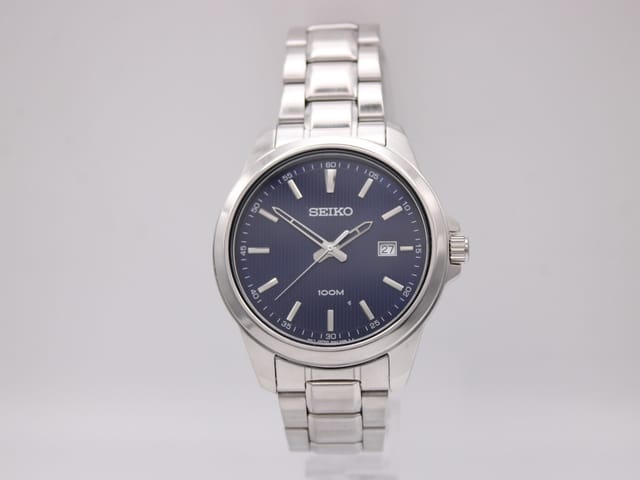
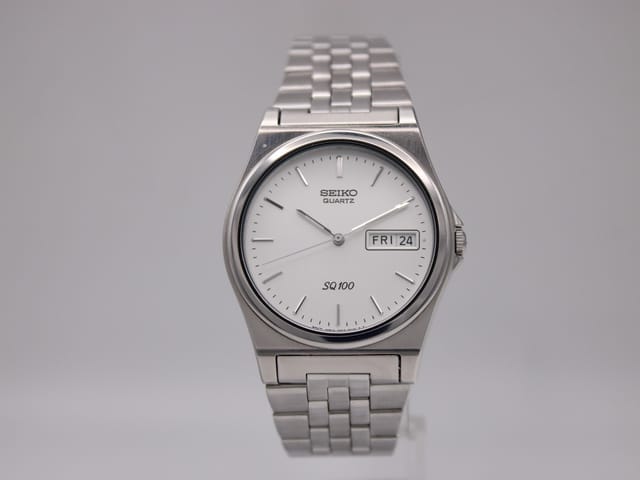
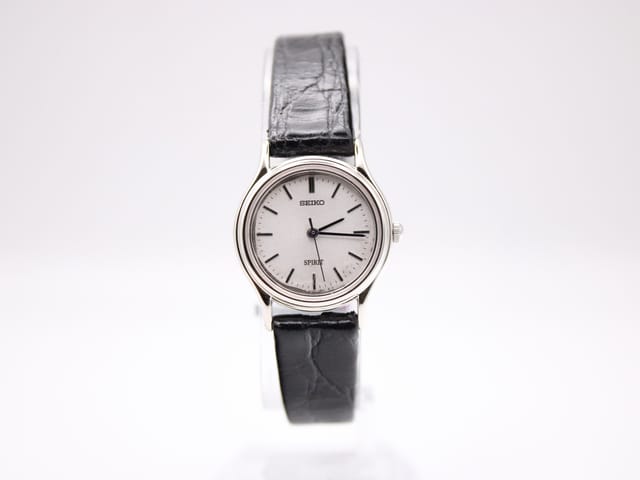
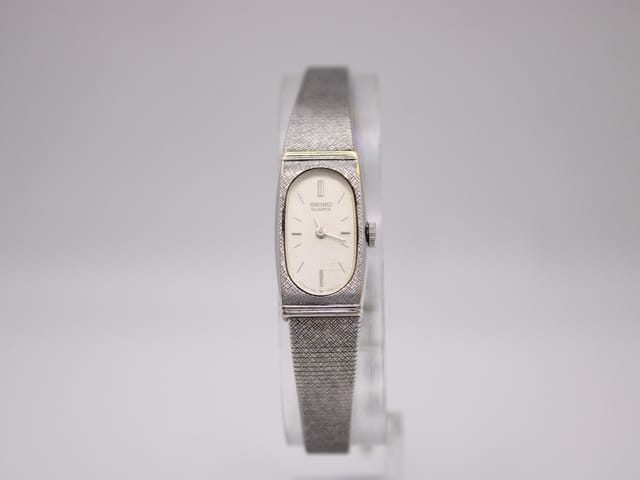
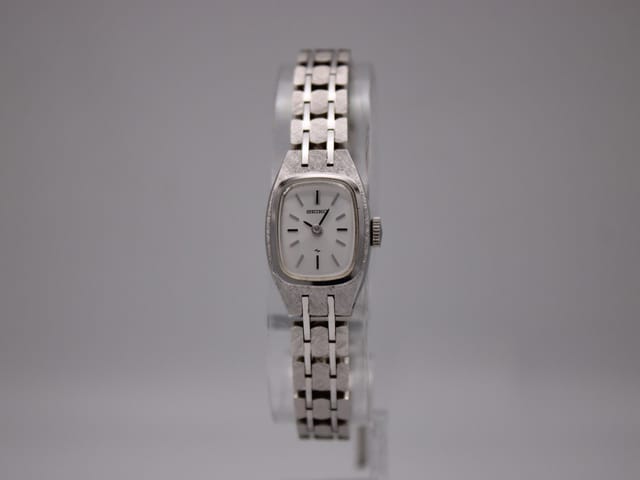
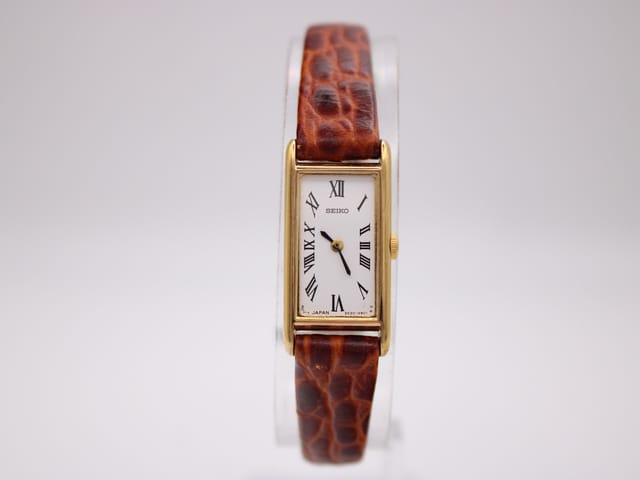
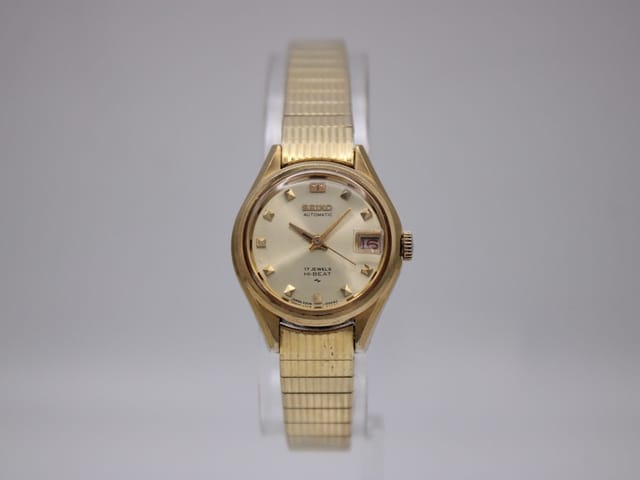
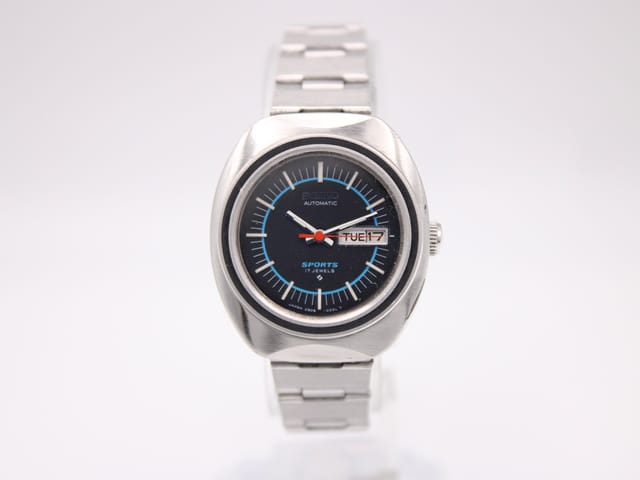
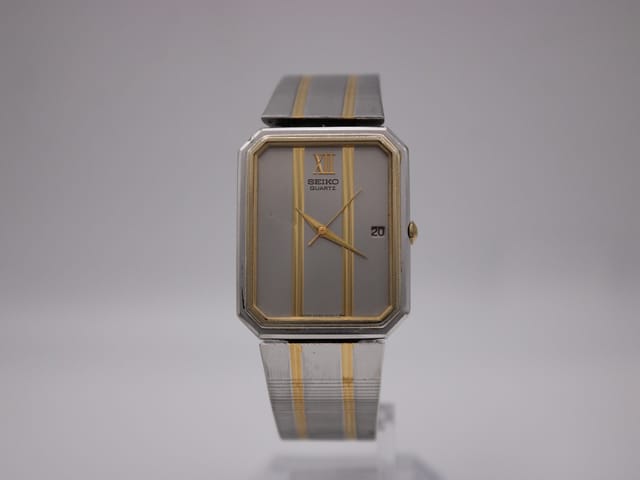
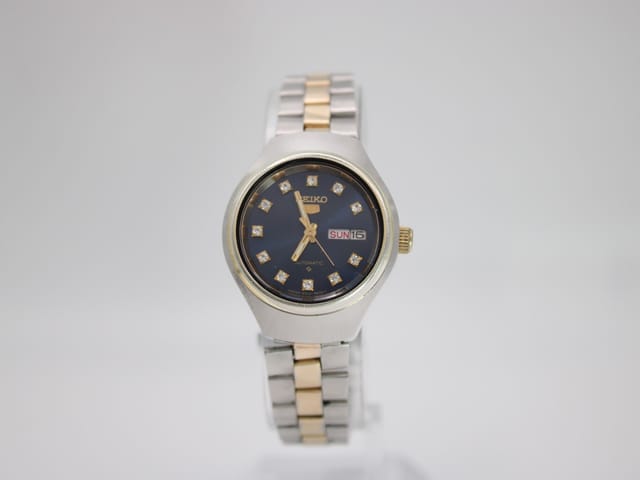
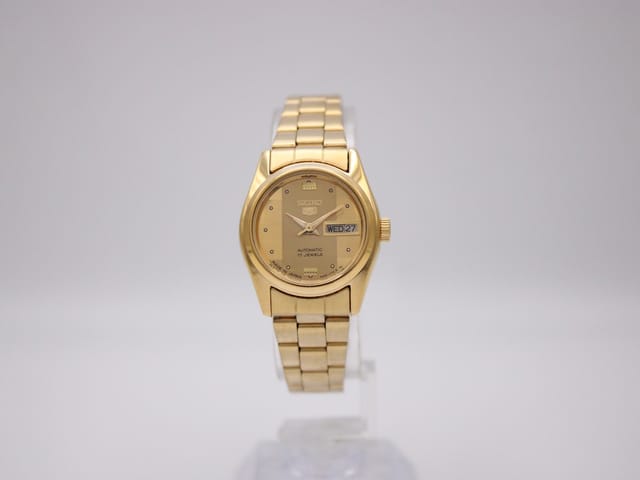
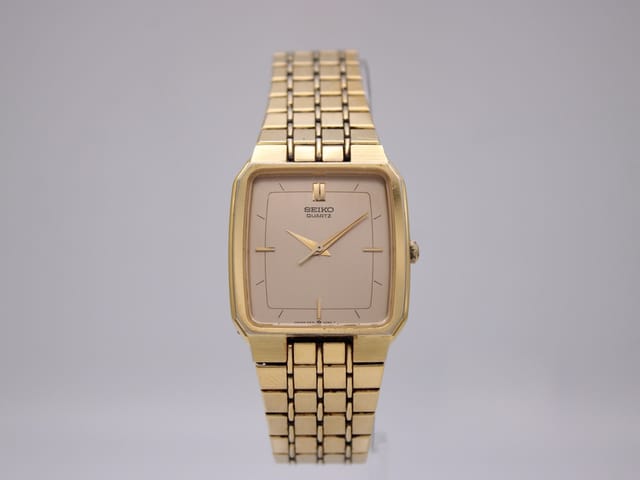
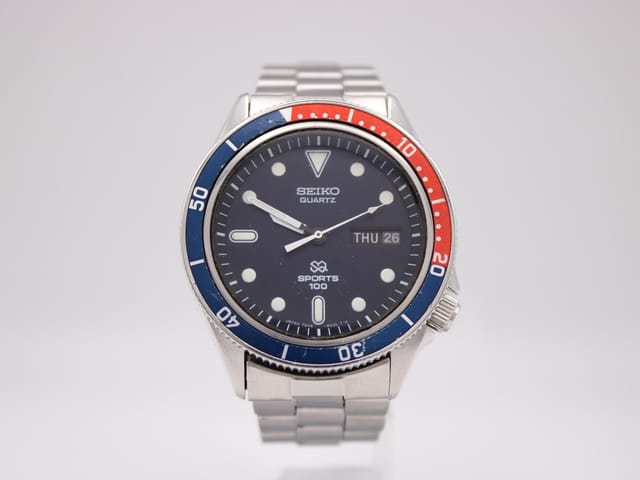
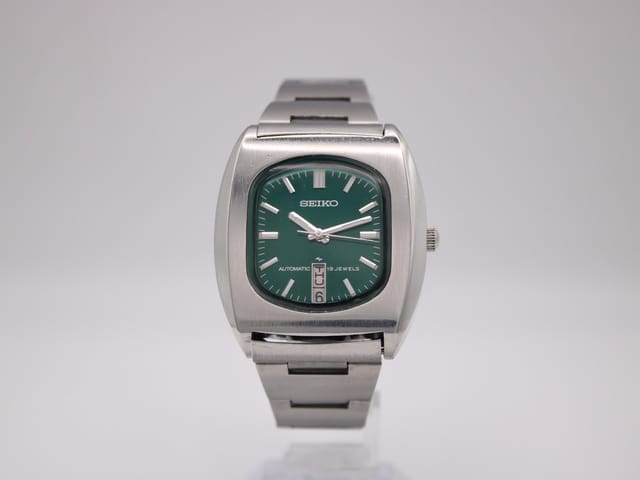
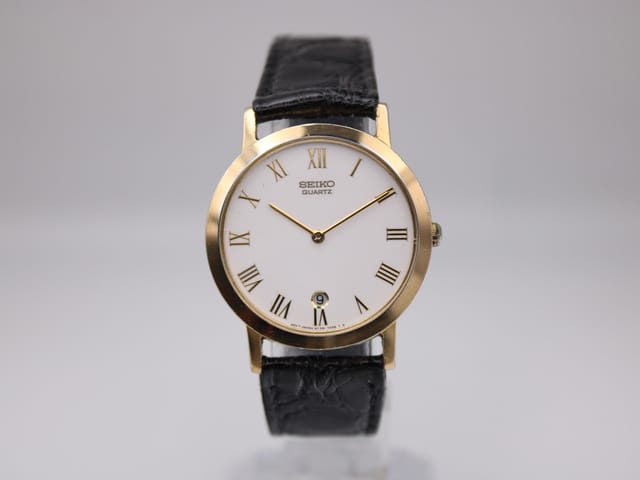
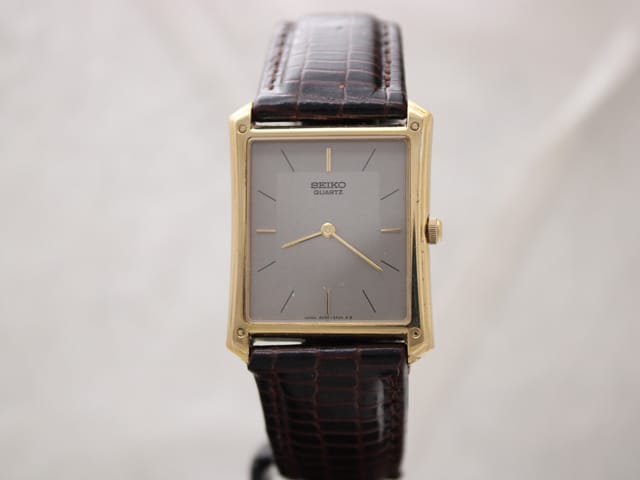
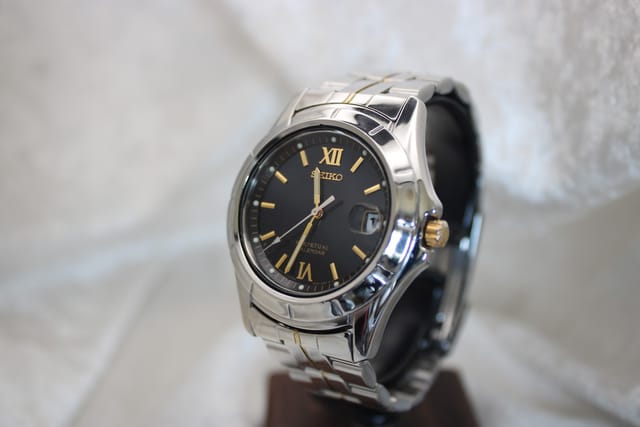
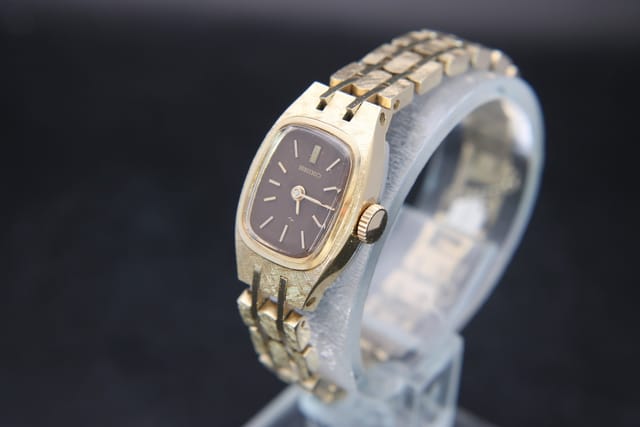
Vintage Seiko watches.
Founded in Tokyo in 1881 by Kintaro Hattori, Seiko became the first Japanese manufacturer to achieve genuine international recognition. The brand pioneered quartz watchmaking with the 1969 Astron, the world's first quartz wristwatch, and later invented the Kinetic movement, which generates power from the wearer's motion. Vintage Seiko pieces are among the most sought-after by collectors worldwide, prized for their exceptional build quality, extraordinary variety of references, and honest value.
Explore Seiko
Frequently asked questions
Are vintage Seiko watches reliable?
Yes. Seiko movements were made in-house and built to last, and a well-kept vintage example will usually run accurately for everyday wear. As with any watch that is several decades old, an occasional service keeps it at its best.
How do I tell the age of a Seiko?
The serial number does most of the work. The first digit is the year of manufacture and the second is the month. Reading it alongside the movement calibre and reference number will place almost any vintage Seiko to a specific year.
Are vintage Seikos a good investment?
Some references, particularly early automatic chronographs and divers, have risen steadily in value. Most vintage Seikos, though, are best bought to wear and enjoy: they offer genuine watchmaking quality for the money rather than a guaranteed return.
Do your Seiko watches come with a warranty?
Every watch is inspected before it is listed and covered by our 14-day returns. If anything is not as described when it arrives, you can send it back for a full refund.
Do you sell second hand Seiko watches?
Yes. Every Seiko watch we sell is second hand, and we use "pre-owned" and "vintage" to mean the same thing: someone owned the watch before you. The words differ only in age. Pre-owned and second hand say nothing about when a watch was made, while vintage conventionally means roughly thirty years or older. Our Seiko stock spans both, and every listing states the year where we can confirm it from the caseback, papers or movement, and says so plainly where we cannot.
Are old Seiko watches worth buying?
An old Seiko in honest condition is usually better value than a new fashion watch at the same money, because the depreciation has already happened and you are buying a watch that has proved it lasts. What matters is the individual piece rather than the age: an original dial, a case that has not been over-polished, and a movement that has been serviced or is priced to allow for it. We inspect and test every Seiko watch in London and describe wear in plain English rather than cropping it out of the photographs.
What makes a Seiko watch a classic?
A classic watch is one whose design has stopped dating, and the test is simply time: a shape that looked right thirty years ago and still looks right now. In practice that means restraint, a legible dial, proportions that suit a wrist rather than a trend, and a case shape that was not chasing the fashion of its decade. The classic Seiko designs are the ones that keep reappearing in our stock precisely because people kept them and wore them, which is the most honest evidence a design has lasted.
What is the difference between a vintage and an antique Seiko watch?
Antique conventionally means a hundred years or older, and vintage roughly thirty years or older, so almost everything described as an antique wristwatch is really a vintage one. Wristwatches only became common after the First World War, which is why genuine antique examples are mostly pocket watches. Our Seiko collection is vintage and pre-owned rather than antique, and each listing gives the year or era we have been able to confirm.