Why 1960s watches are the sweet spot for new collectors
1960s watches offer an unbeatable blend of classic design, robust movements, and accessible value, ideal for new collectors.
Why 1960s watches are the sweet spot for new collectors
1960s watches are indeed the sweet spot for new collectors, offering an unparalleled blend of classic aesthetics, robust mechanical movements, and accessible value. This era presents a rich entry point into vintage watch collecting without the prohibitive costs often associated with earlier or later periods. The decade witnessed a golden age of watchmaking innovation, where traditional craftsmanship met a burgeoning desire for both elegance and utility, culminating in timepieces that remain highly desirable today.
What makes 1960s watches so appealing?
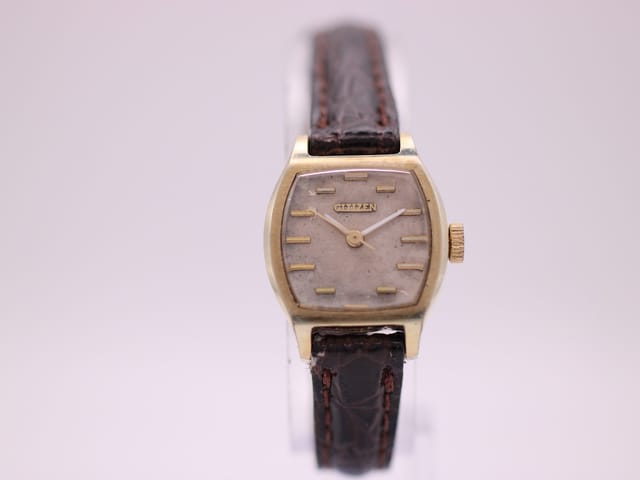
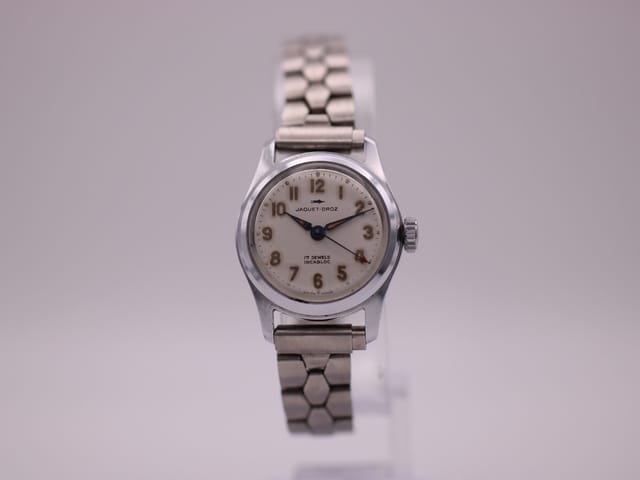
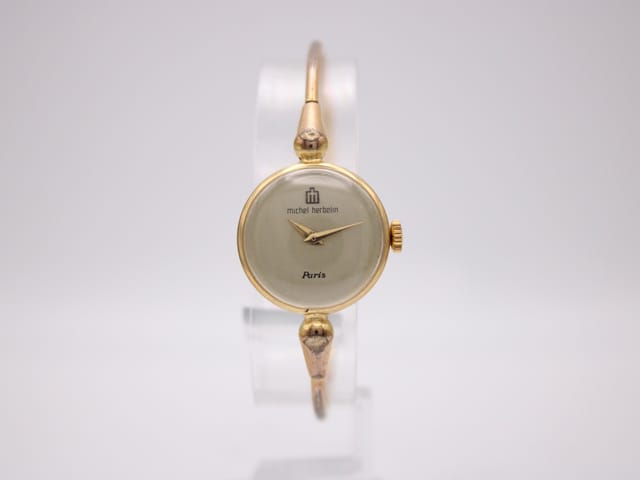
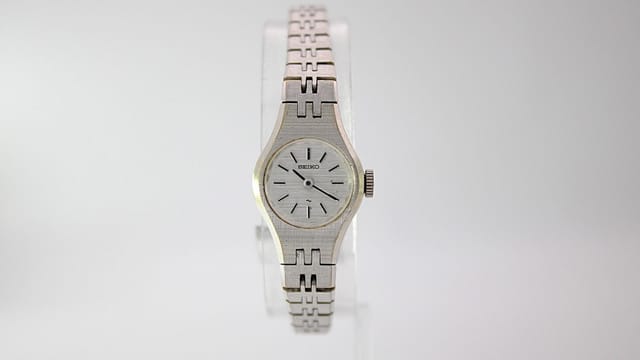
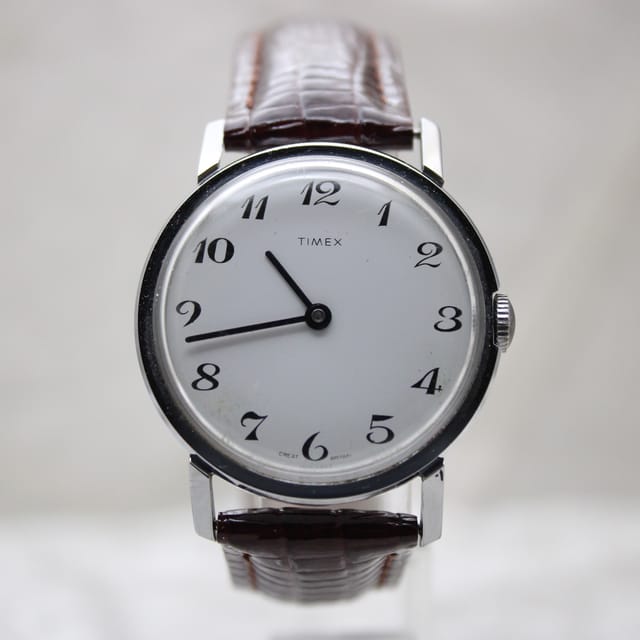
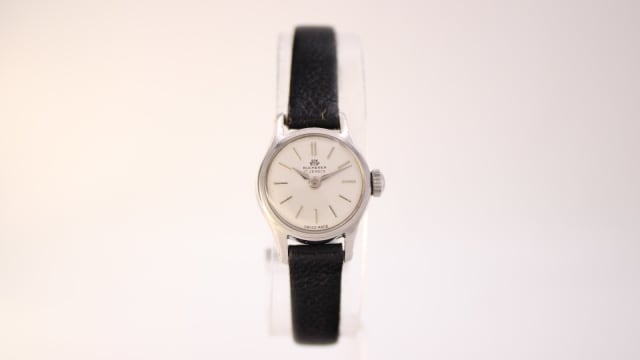
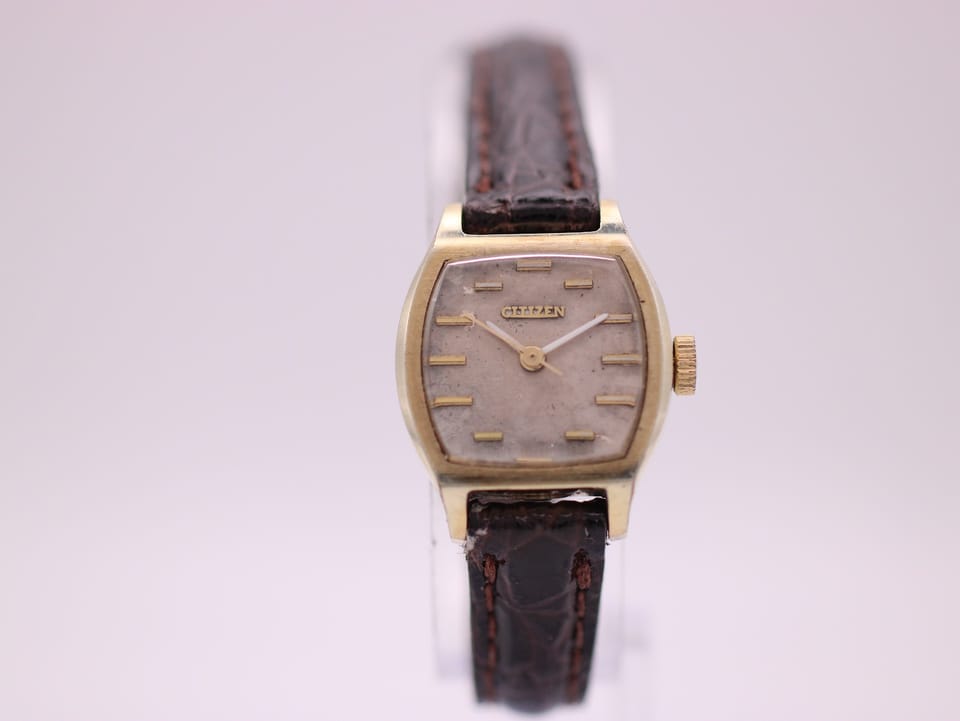
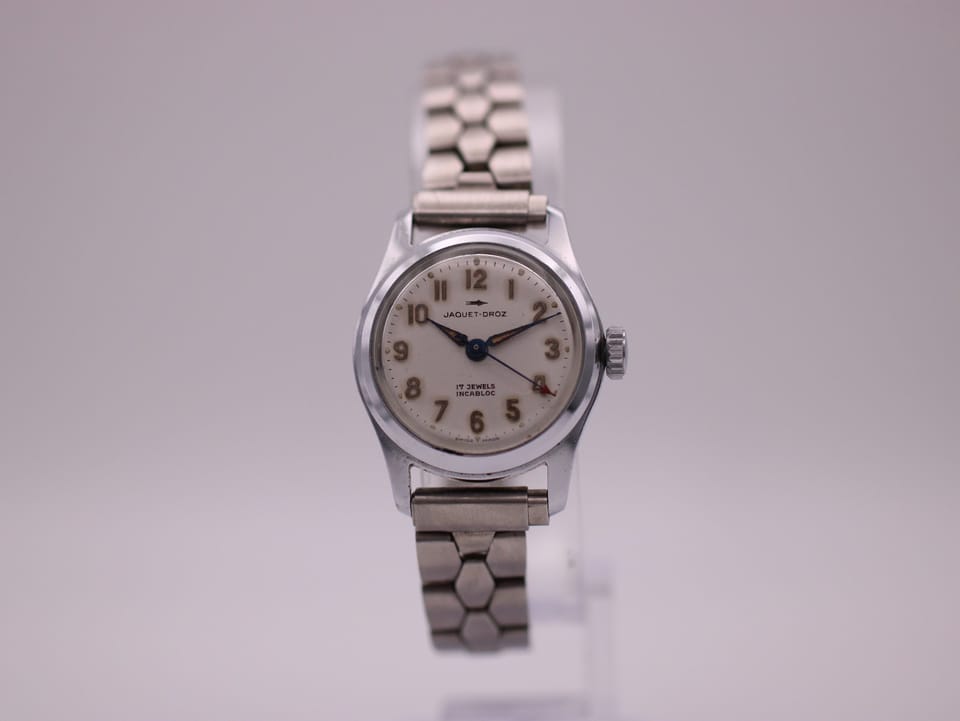
The design language of the 1960s watches strikes a perfect balance: timeless elegance meets practical functionality. Cases typically range from 32mm to 38mm for men's dress watches, a classic proportion, moving on from the smaller, art deco-inspired pieces of earlier decades. Dials are often clean and legible, featuring applied indices, dauphine or stick hands, and sometimes a subtle sunburst or linen finish. Stainless steel grew in popularity, offering durability alongside gold-plated or solid gold options. This versatile aesthetic ensures a 1960s watch transitions effortlessly from formal to casual.
Beneath these appealing exteriors lie some of the most reliable and robust mechanical movements. The 1960s represented a peak for manual-wind calibres, alongside the increasing refinement of automatic movements. Brands like ETA, AS (A. Schild), FHF (Fabrique d'Horlogerie de Fontainemelon), and Valjoux produced workhorse movements that powered countless watches, from everyday pieces to sophisticated chronographs. Many major manufactures produced highly regarded in-house movements. These were built to last, designed for serviceability, and with proper care, continue to perform admirably today, making parts and qualified watchmakers relatively accessible.
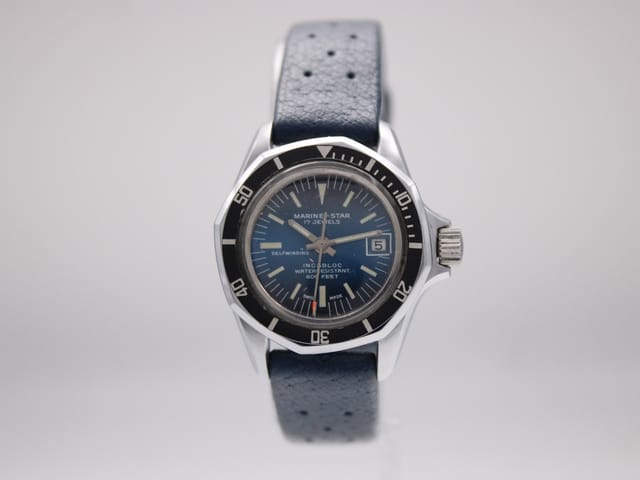
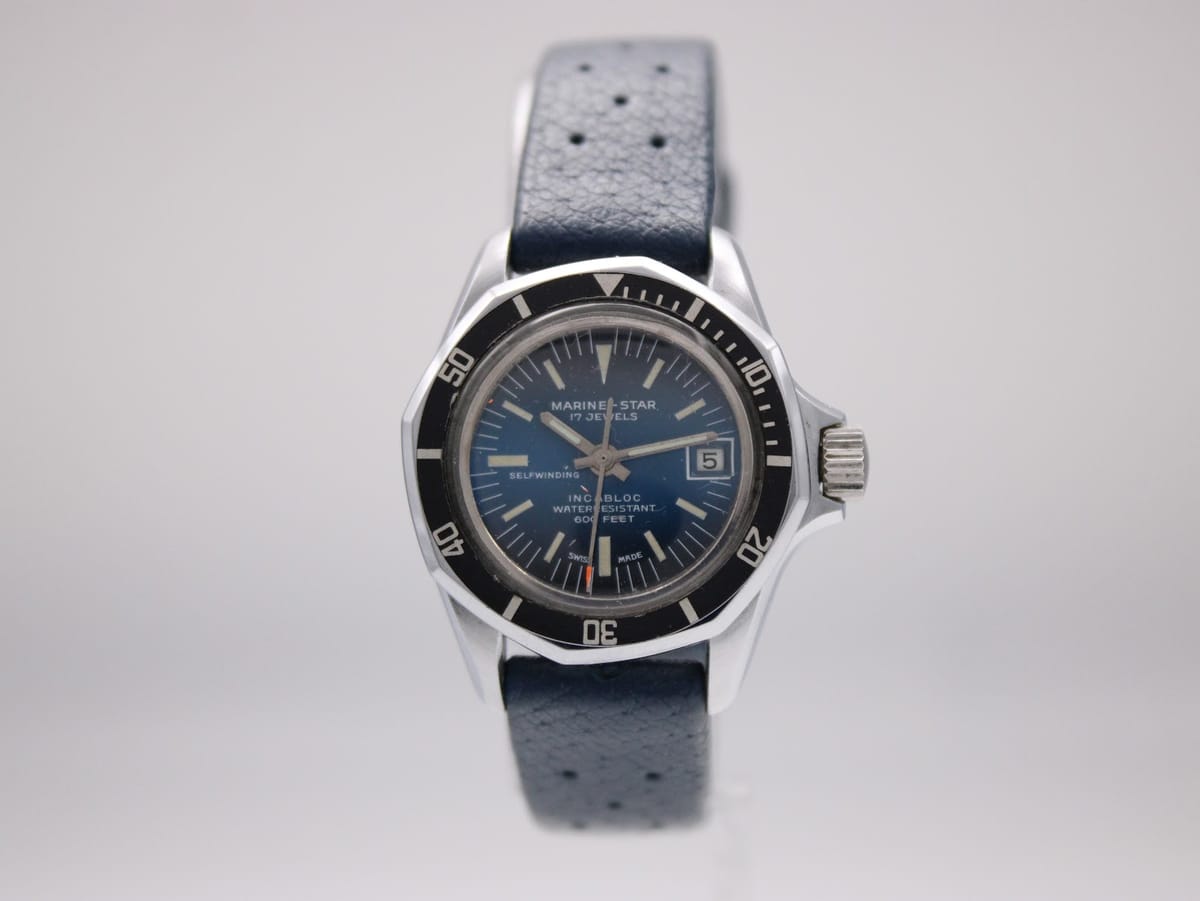
The sheer variety available from the 1960s is a significant draw. Whether you seek a minimalist dress watch, a rugged diver, or a precise chronograph, there is a 1960s watch to match. Iconic designs emerged, laying groundwork for many contemporary styles: early Omega Speedmasters, enduring dive watches from Rolex, Doxa, and Certina, and sophisticated chronographs by Heuer and Breitling. This diversity allows new collectors to explore different horological niches without committing to excessively high price points.
Is it worth buying a 1960s watch?
For many new collectors, the value proposition of a 1960s watch is compelling. You acquire a piece with genuine horological heritage, a robust mechanical movement, and a distinctive vintage aesthetic for significantly less than a comparable new watch or many later vintage pieces. This era allows you to experience the quality and character of classic watchmaking without a prohibitive initial investment.
Entering the vintage market with a 1960s watch is a sensible step. While not all pieces will appreciate dramatically, well-preserved examples from reputable brands offer stable value and potential for modest growth, especially as interest in authentic vintage pieces rises. More importantly, they offer the joy of ownership and connection to horological history that many modern watches lack, making them a fantastic starting point to develop your taste.
Many 1960s watches were designed as everyday tools, built with durability in mind. Their mechanical movements are relatively straightforward compared to some modern calibres, making them easier and often less expensive to service. Parts are generally available, or a skilled watchmaker can fabricate replacements, ensuring reliable operation for decades. This makes them practical for regular wear.
How much should I expect to pay?
Pricing for 1960s watches varies significantly, reflecting brand prestige, condition, rarity, and model desirability. As a general guide, a good quality, lesser-known Swiss or British brand manual-wind dress watch in decent condition might typically sell for £200 to £500 on the pre-owned market. Moving up, well-recognised Swiss brands such as Tissot, Hamilton, Certina, or entry-level Longines or Omega Constellation and Seamaster models can range from £500 to £2,000, depending heavily on condition and provenance. For more desirable pieces, such as iconic chronographs from Heuer or Breitling, or sought-after Omega Speedmasters or robust dive watches from period-correct brands, prices can comfortably start from £2,000 and climb well into £5,000 or more. Remember, condition is paramount; a watch with its original dial and hands in excellent, unmolested condition will always command a premium over one with a re-dialled face or significant case damage. The presence of original box and papers, though rare for watches of this age, can also significantly move the figure.
What should new collectors look out for?
When considering a 1960s watch, meticulous inspection is crucial. First, assess the dial and hands. Look for moisture damage, staining, or 're-dials' – a new dial print often diminishes original character and value. A consistent, even patina, however, adds to its charm. Second, examine the case for excessive polishing, which removes sharp lines, or significant dents and scratches. The crown should typically be original and wind smoothly. Third, inquire about the movement; while you may not open the case yourself, a reputable dealer provides clear images and details. Ensure it runs, sets correctly, and ideally has a recent service history. Finally, be mindful of size. Many 1960s watches are smaller than modern ones, typically 32mm to 38mm for men's models. This is part of their classic appeal, but ensure it aligns with your preferences.
Conclusion
Embracing a 1960s watch means investing in a piece of tangible history, offering a blend of design, engineering, and value that is hard to match elsewhere in the vintage market. It is an era that truly delivers for the burgeoning collector. At London Watch Market, every watch is individually inspected and honestly described, ensuring complete transparency. We offer free UK shipping and a 14-day returns policy, allowing you to buy your piece of history with absolute confidence.