Vintage watches under €500: buying from London after Brexit
European collectors have learned to dread the customs invoice that follows a UK parcel. Here is how it actually works, what it costs, and why under €500 London still offers some of the best vintage value on the continent.
Before 2021, buying a watch from a London dealer was no different from buying one in Lyon or Leipzig. Since Brexit, a UK parcel arriving in the EU attracts import VAT at the destination rate, sometimes duty, and almost always a handling fee from the carrier. Many European collectors have simply stopped looking at British sellers. That is a pity, because the UK market is still one of the deepest on the continent, and the €500 bracket is where it shines.
What the euro price includes, and what arrives later
Every price shown to a visitor from the EU, Switzerland or Norway includes tracked, insured shipping from London. It does not include your country's import VAT or any customs duty. Those are assessed when the parcel enters your country and collected by the carrier before delivery, usually with a small handling fee. We declare the true sale value and describe the item accurately, which keeps clearance quick and predictable.
So the honest way to read a €450 watch is €450 plus your national VAT rate on the watch and postage, plus the carrier's fee. Duty on wristwatches is low or nil in most EU tariff lines. Ask us before you order if you would like a rough figure for your country.
Delivery is typically five to ten business days from dispatch. A 14-day returns window applies from the day of delivery.
What €500 buys
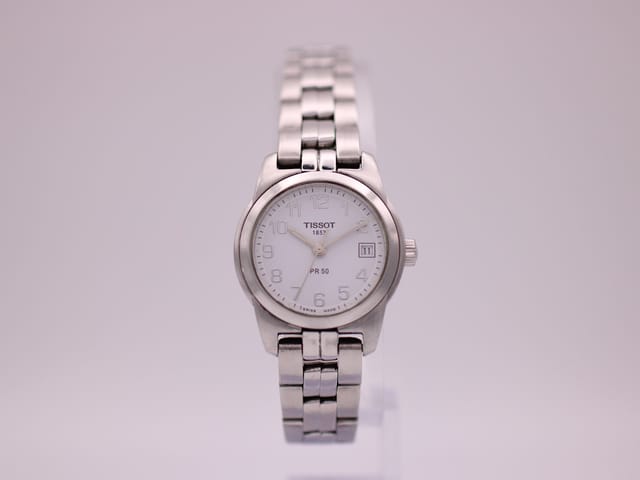
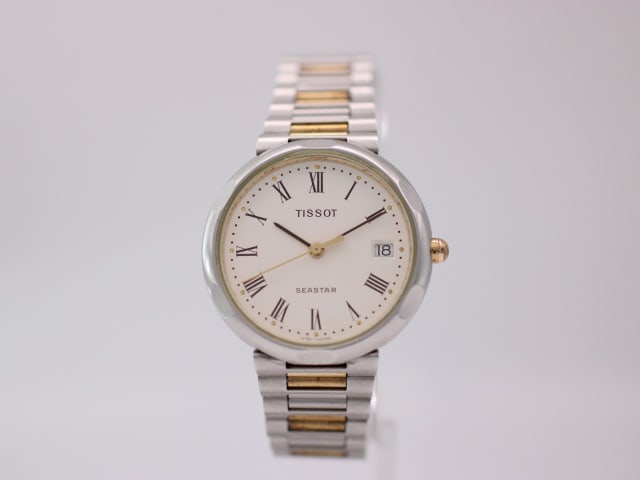
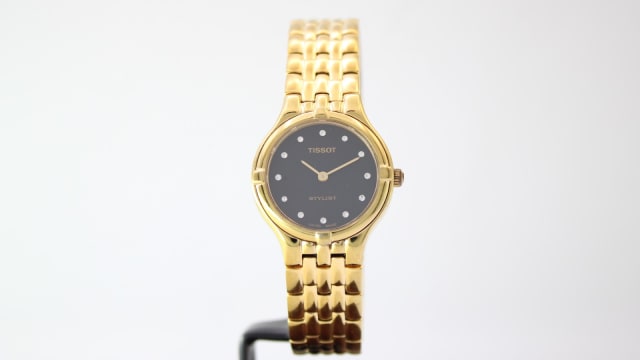
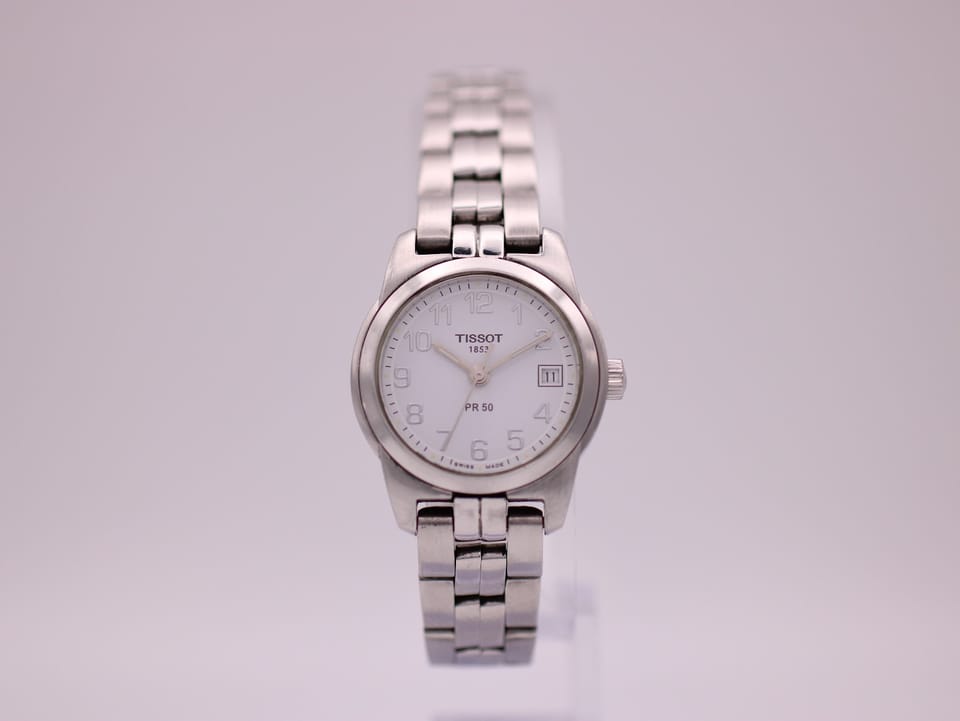
The best value in this range is arguably Swiss. Tissot and Certina automatics from the 1960s and 1970s, made when both were sister companies to Omega, regularly sit between €250 and €450 with shipping included. They use proper in-house or ETA movements, have slim, well-finished cases and are easy to service anywhere in Europe.
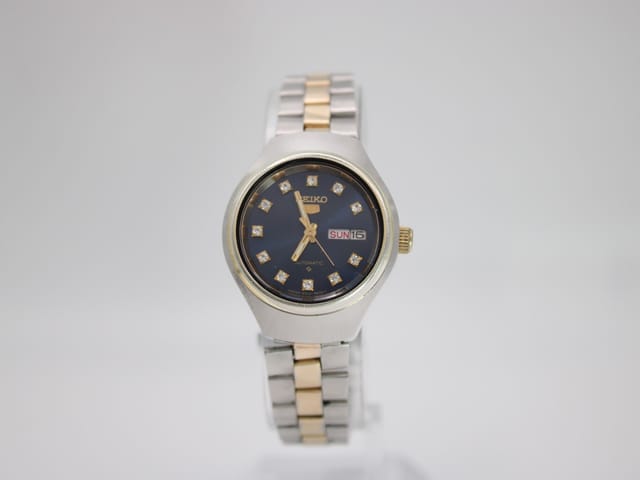
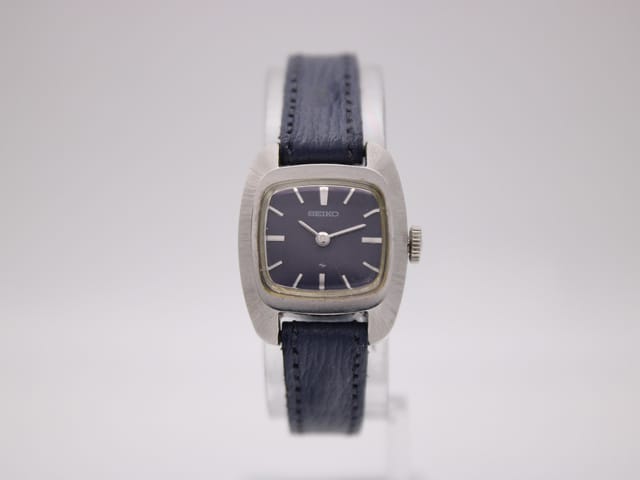
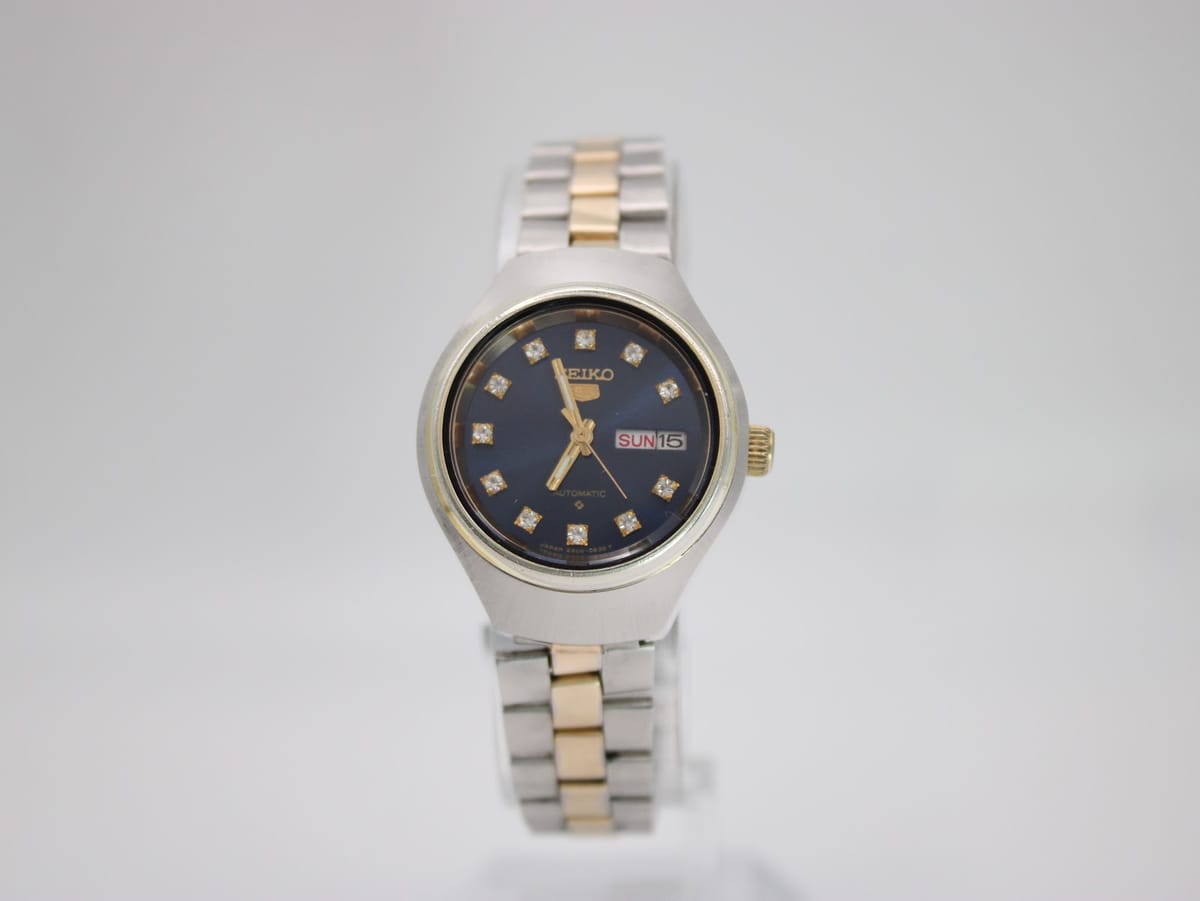
Japanese watches are the other pillar. A clean 1970s or 1980s Seiko automatic on the 6309 or 7009 calibre is a genuine daily wearer for under €300, and the early Seiko quartz pieces from the same era are some of the most reliable watches ever made.
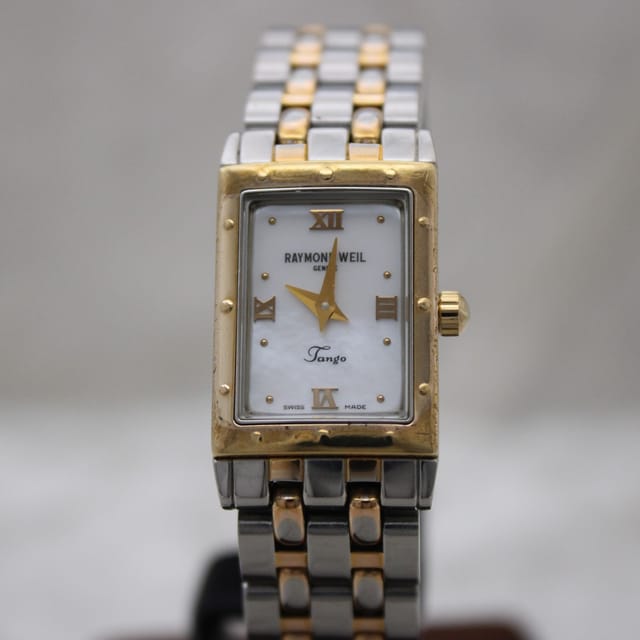
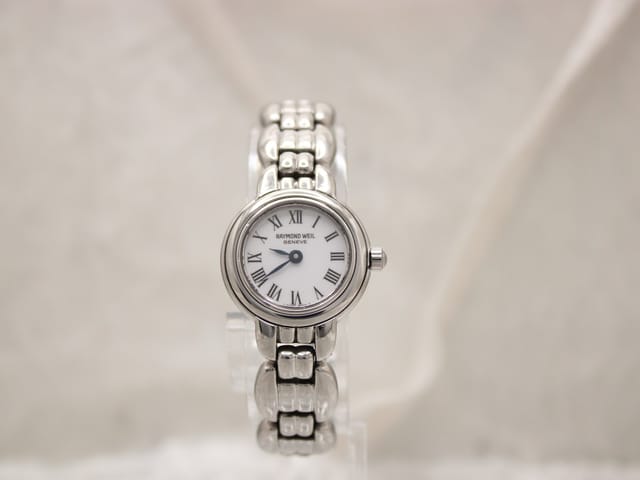
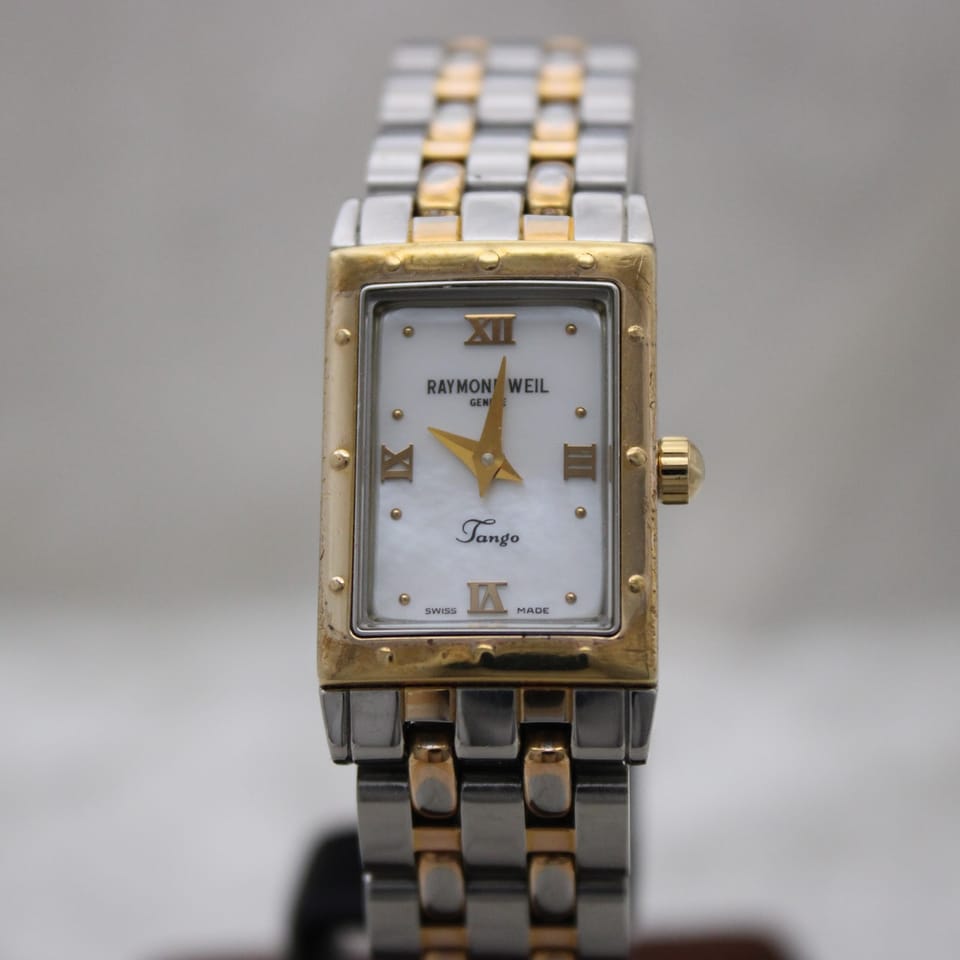
For a dress watch, look at 1980s and 1990s Raymond Weil and at Gucci. Both were made in Switzerland to a good standard, both have aged into something distinctive, and both are usually well under the €500 ceiling.
Condition, honestly described
The words a seller uses matter more than the photographs. We grade from Fair through to Mint and mean it: a watch described as Good will show visible wear, and that wear will be photographed and described. Every piece is tested before it is listed, quartz watches get a fresh battery and mechanical watches are wound and checked. Anything that needs attention is written down rather than left for you to discover.
Why buy from London at all
Because the supply is here. Britain imported Swiss and Japanese watches in vast numbers for most of the twentieth century, has a large and active collecting scene, and produces a steady stream of estate pieces. Prices reflect that abundance. Even after VAT on arrival, the sums usually still favour London for the makers this collection is built on. Know the customs position going in, and the only thing left to worry about is which watch to choose.
Frequently asked questions
Do I pay import VAT on a watch sent from the UK to the EU?
Usually yes. Since Brexit a UK parcel entering the EU attracts import VAT at your country's rate on the value of the watch plus postage, sometimes a small duty, and a carrier handling fee, collected before delivery. The euro price on our site includes shipping but not those charges.
Why not just buy within the EU?
Because supply is on this side of the Channel. The UK has one of the deepest pre-owned markets in the world for Japanese and Swiss watches from the 1960s to 1990s, and even with VAT added on arrival the pieces that are common here are often cheaper than the same watch found locally.