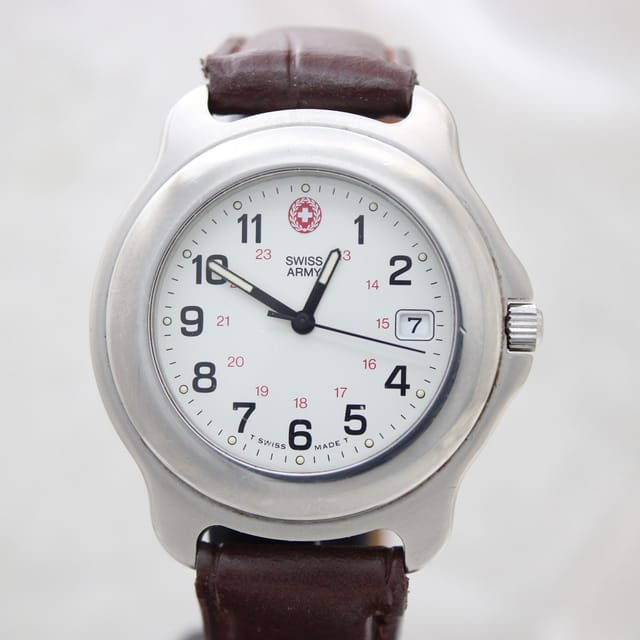
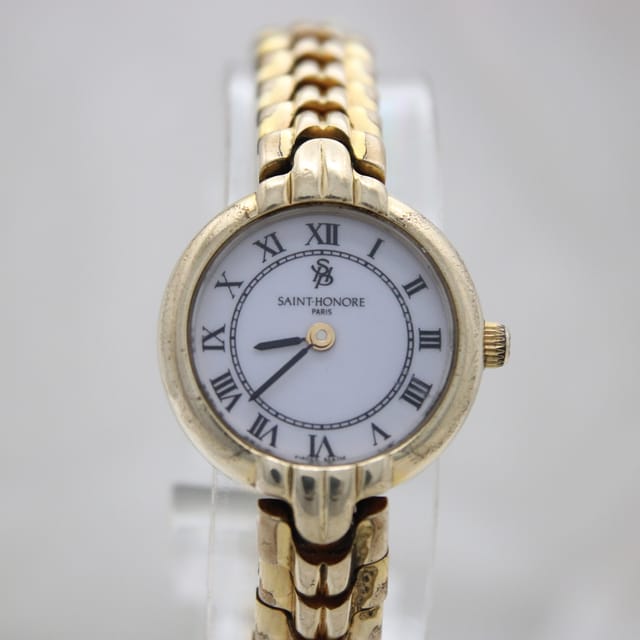
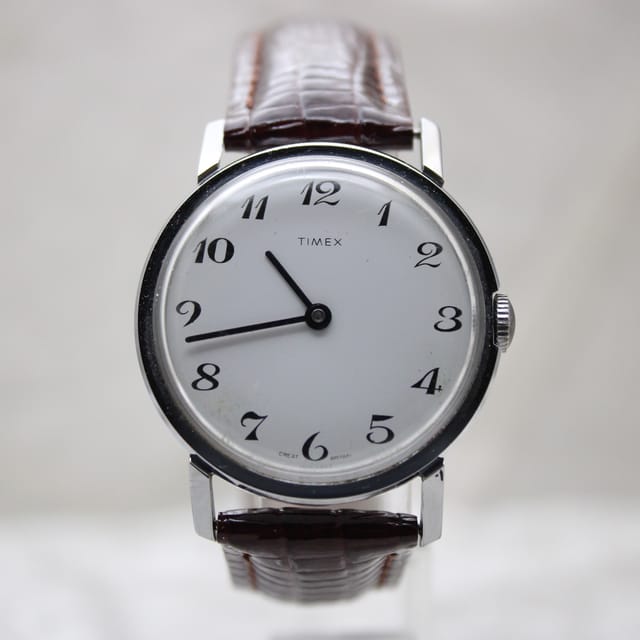
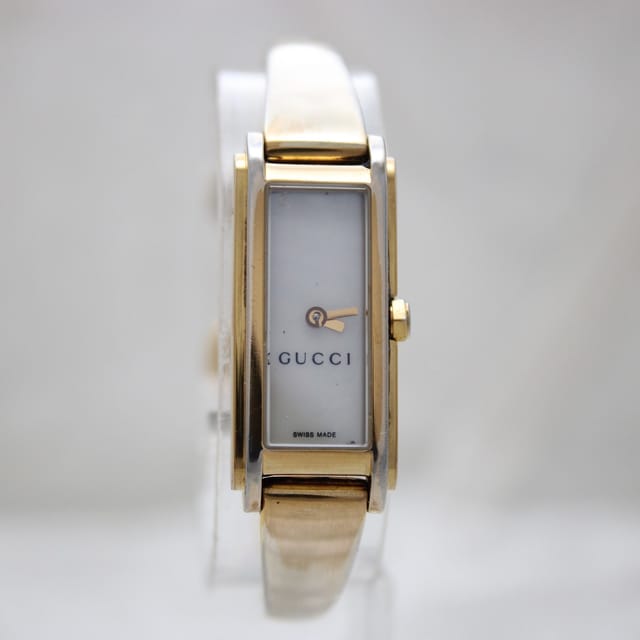
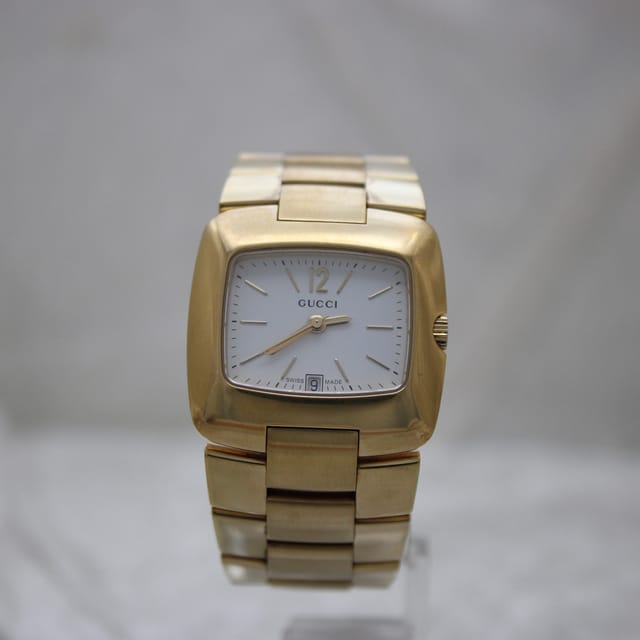
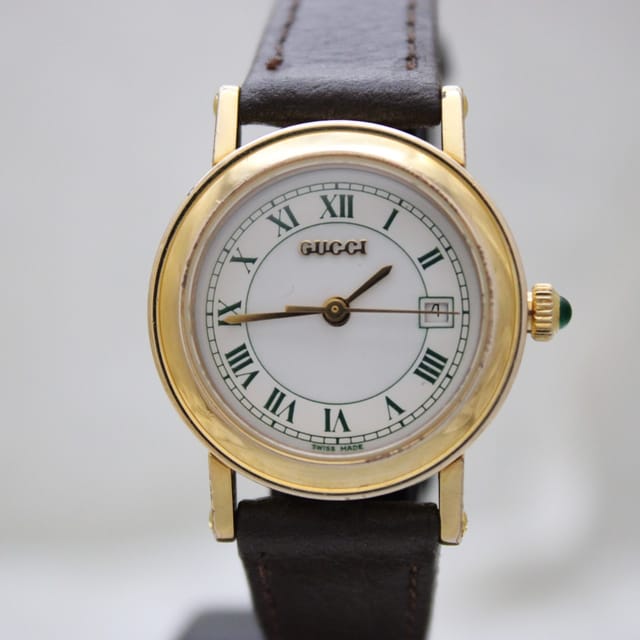
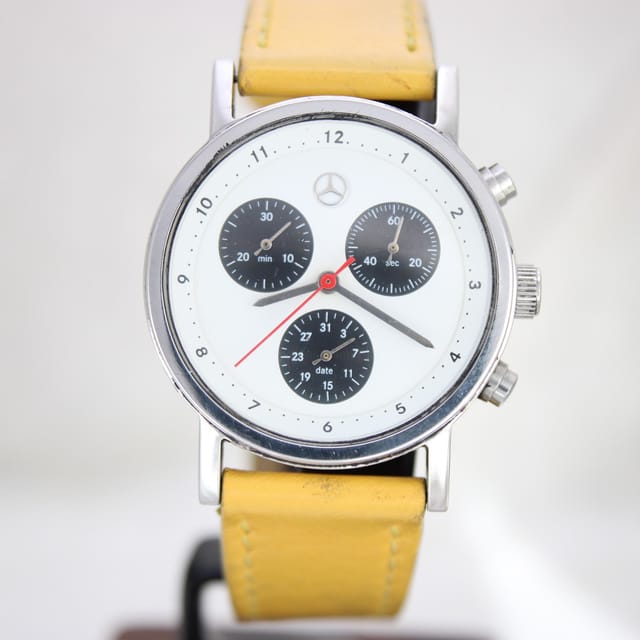
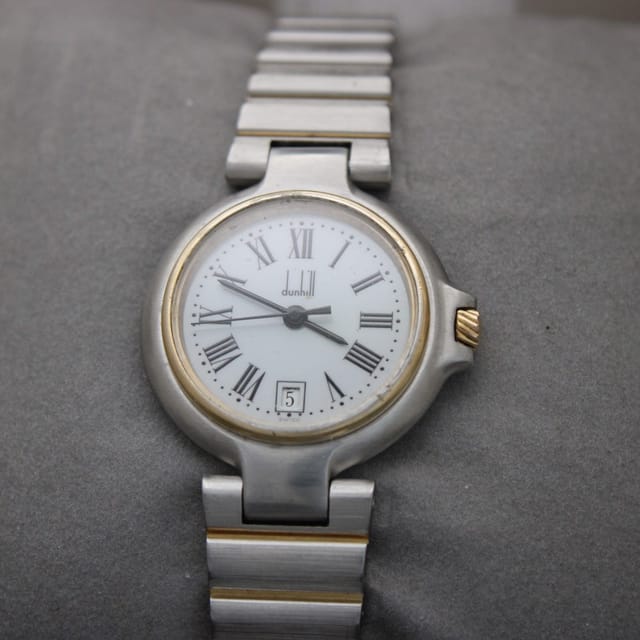
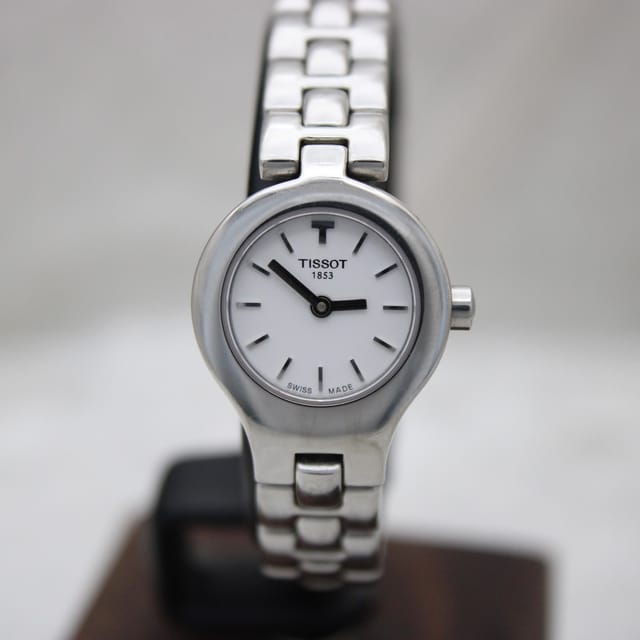
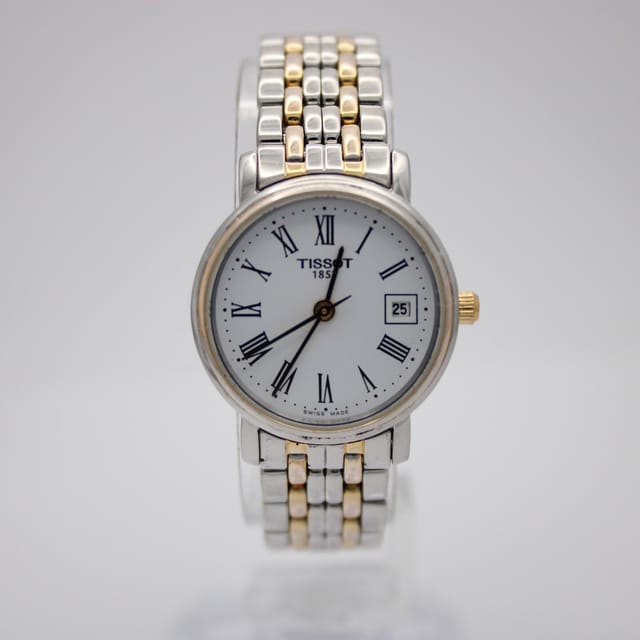
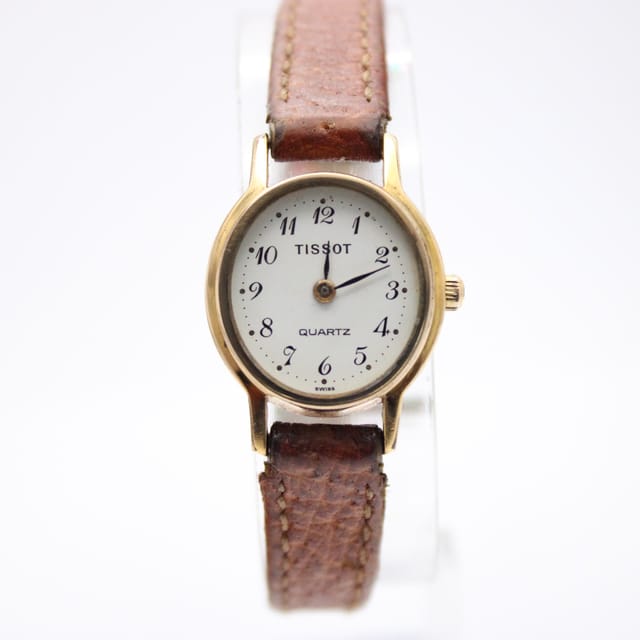
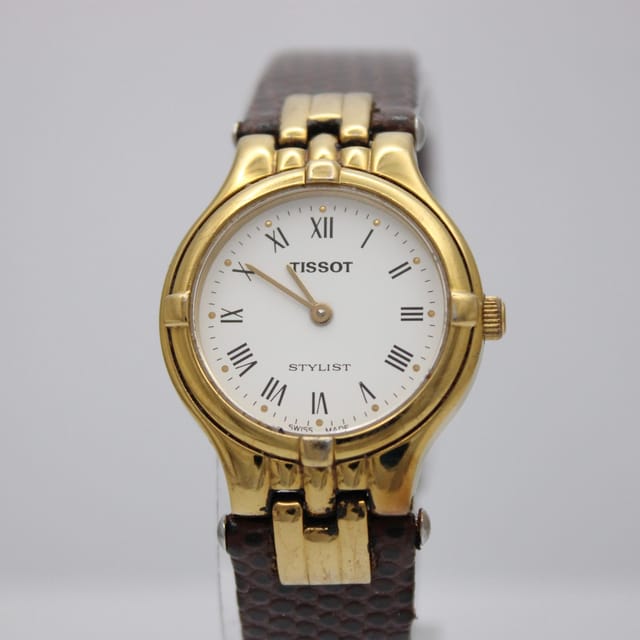
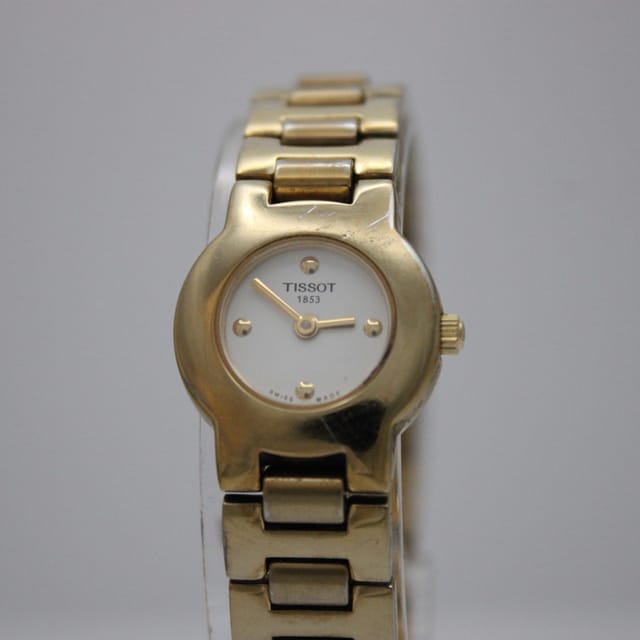
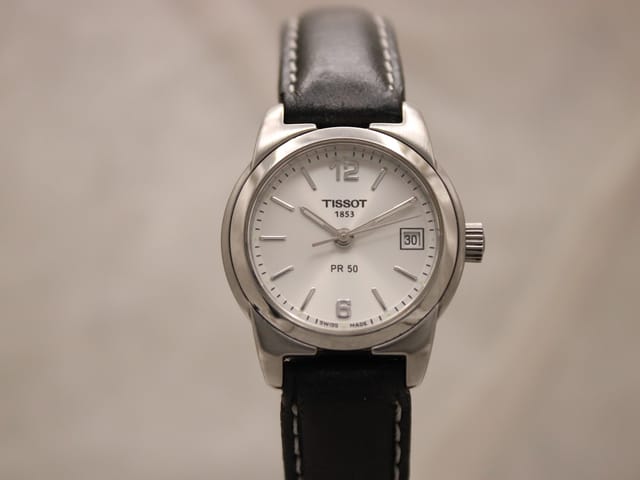
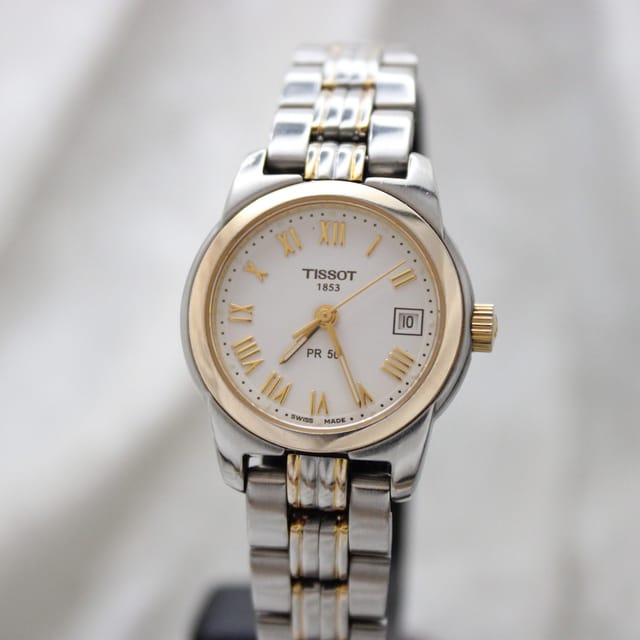
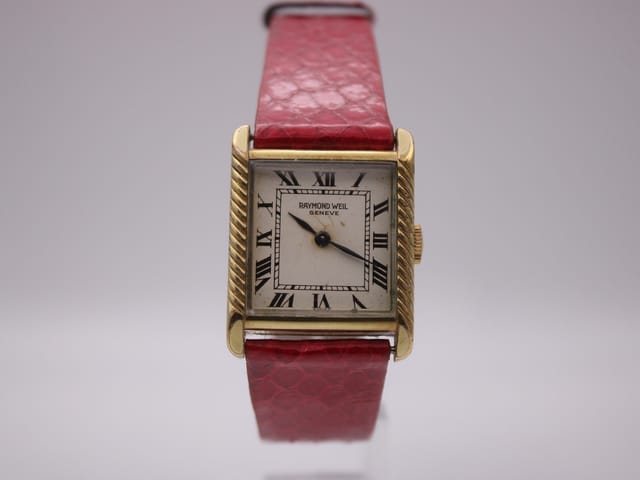
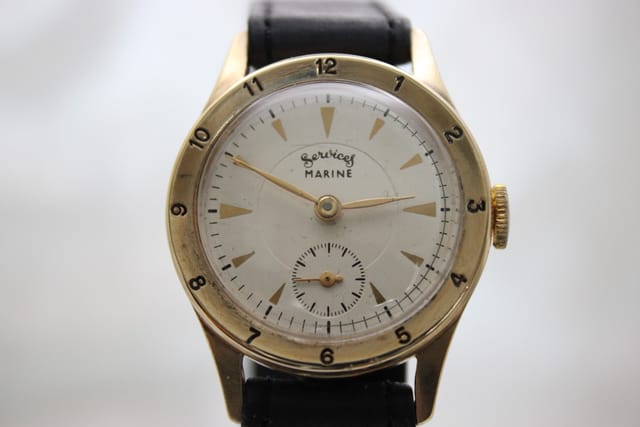
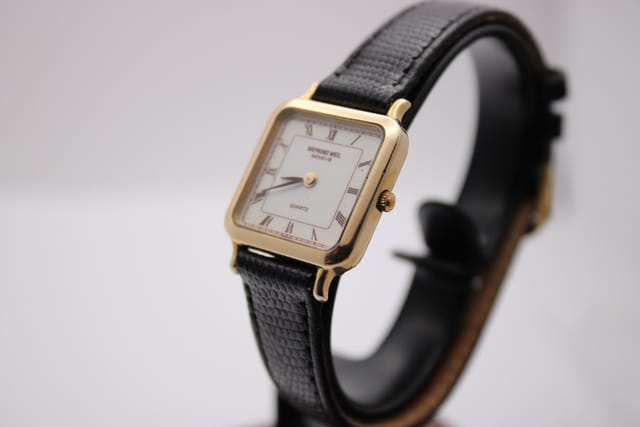
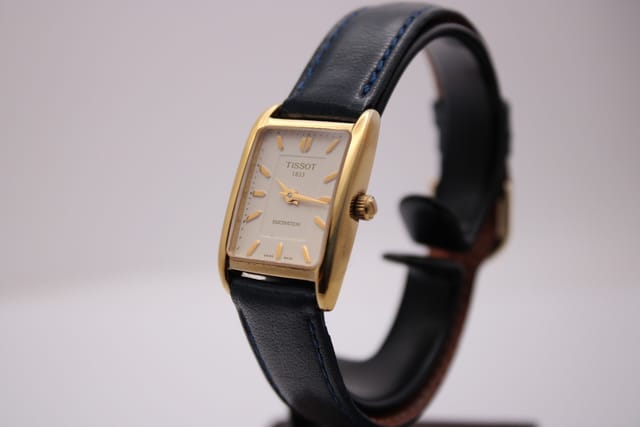
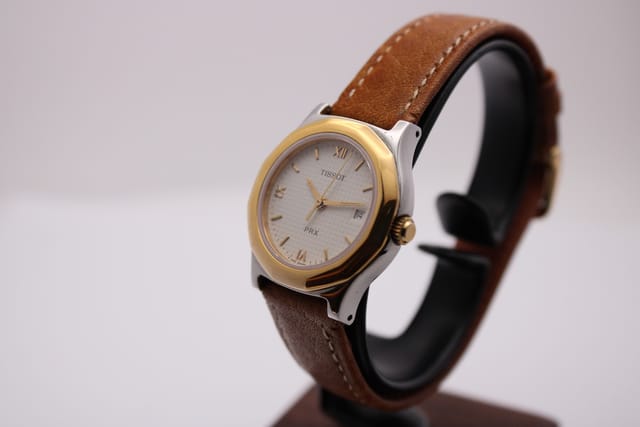
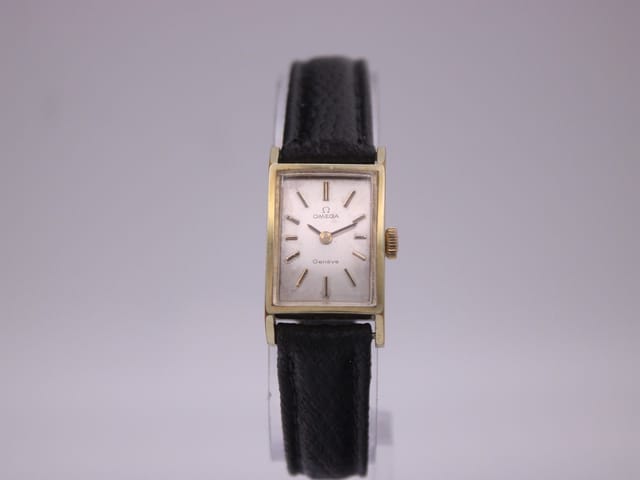
Vintage white dial watches.
Look across a hundred years of watchmaking and white is the dial colour that never really went away: plain, off-white or eggshell versions of it turn up in every decade this collection spans. Tissot and Raymond Weil are the two names that appear most often among our white dial watches, close enough in number that neither dominates the collection. We check the contrast between the dial and the hands just as closely as we check the colour itself, since a white dial with faded hands reads no better than a duller one.
Frequently asked questions
Do white dials yellow with age?
They can, depending on the dial material and how the watch has been stored. Where ageing has changed the colour noticeably, we describe it plainly instead of calling it white, and the listing photographs show the actual colour rather than an idealised one.
What is the difference between a white and a cream dial?
White is a true, neutral shade; cream is a separate, deliberately warmer one. A white dial that has aged can end up looking close to cream without ever having been made that colour, which is why dial colour on our listings reflects what we can see rather than an original catalogue name.
Does a white dial suit a sports watch as well as a dress watch?
Yes. White is common on both. On a dress watch it reads as clean and understated; on a sports or field watch the same contrast against the hands is chosen for quick reading rather than looks. The case and hands, not the dial colour, usually signal which kind of watch it is.
Is a white dial watch suitable for formal wear?
Yes, it is one of the most traditional dress-watch colours there is. A clean white dial on a slim case with simple hands and markers has read as correct formal wear for the better part of a century.