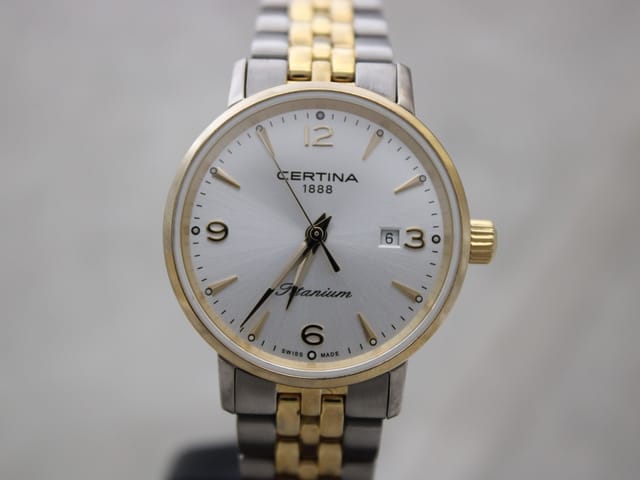
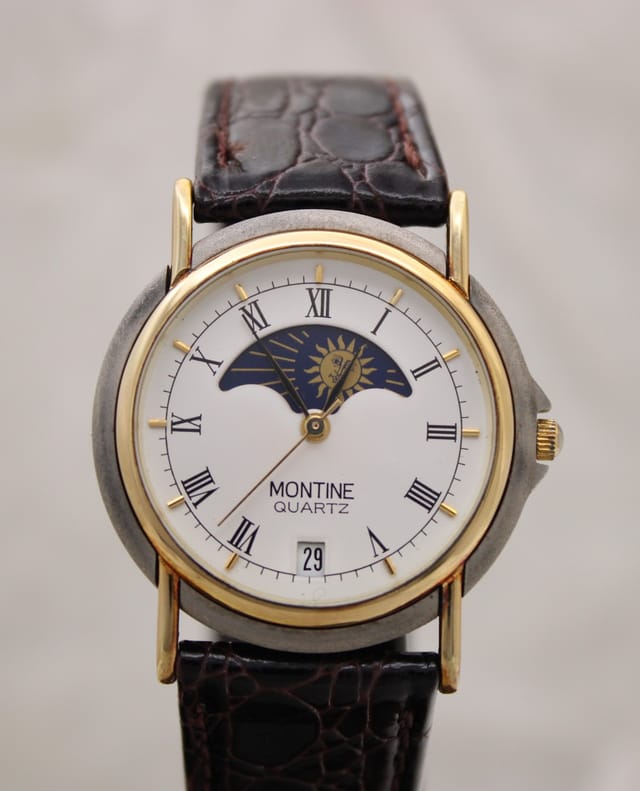
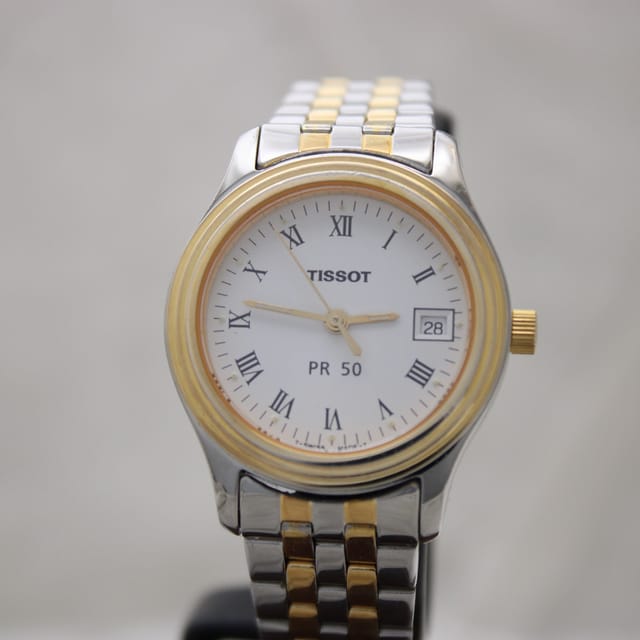
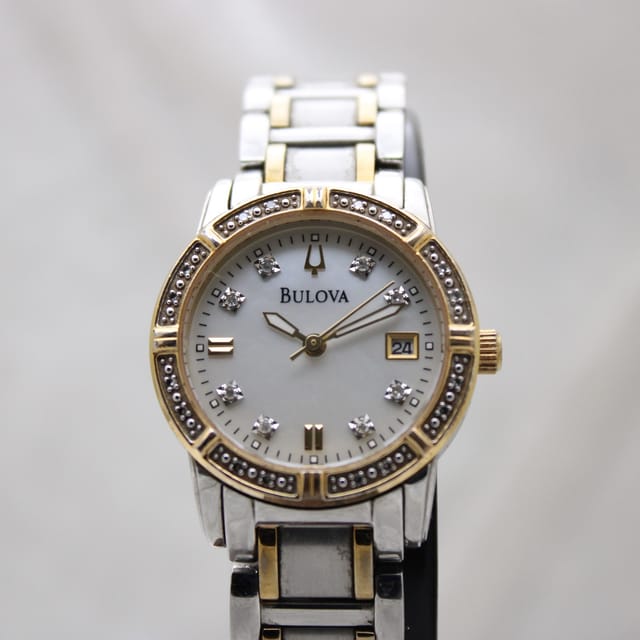
Vintage two-tone watches.
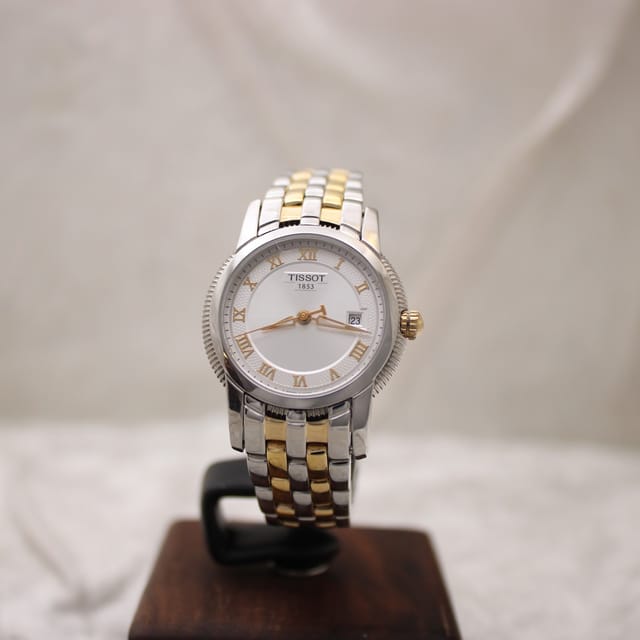
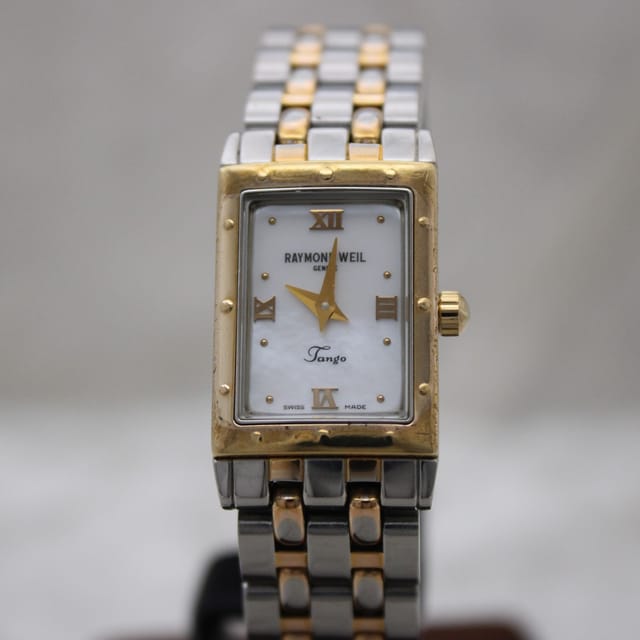
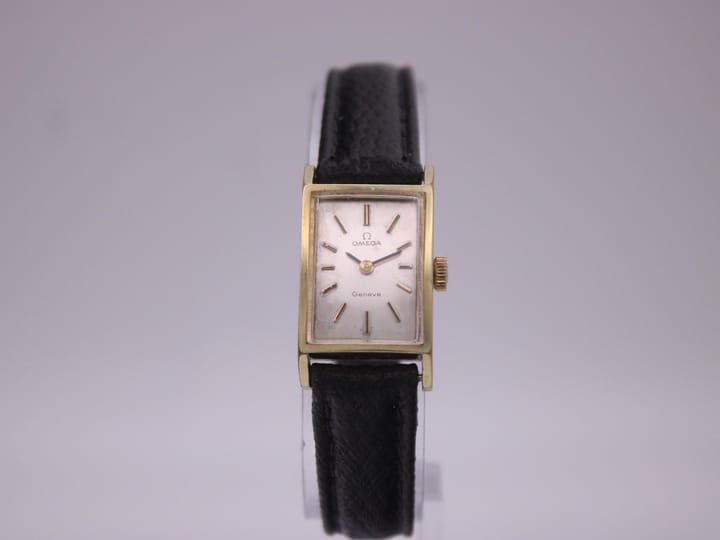
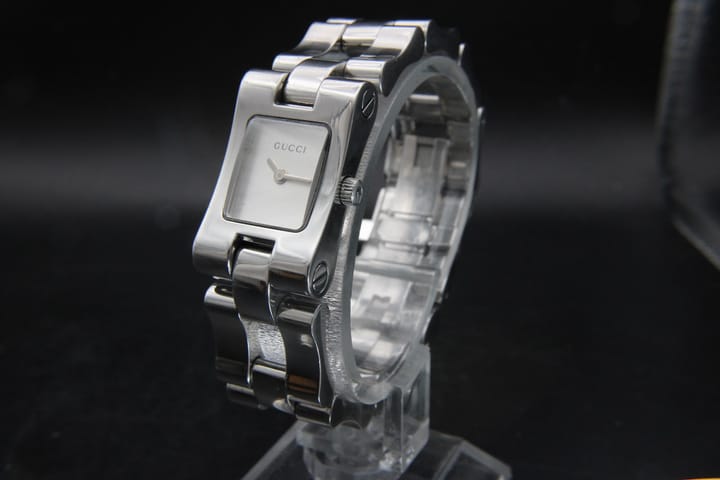
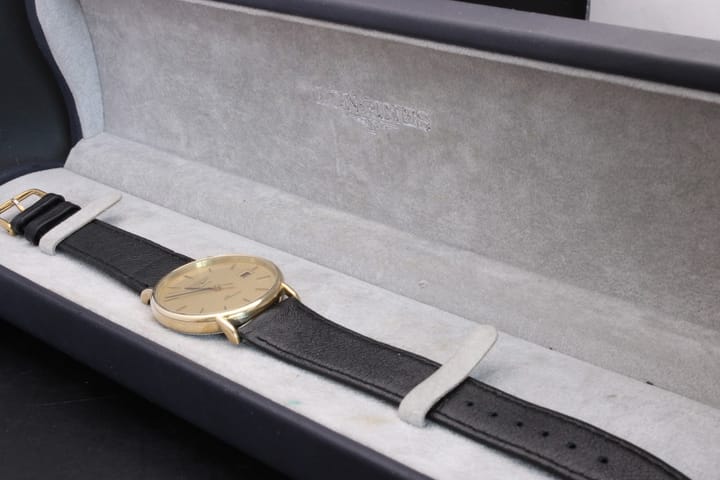
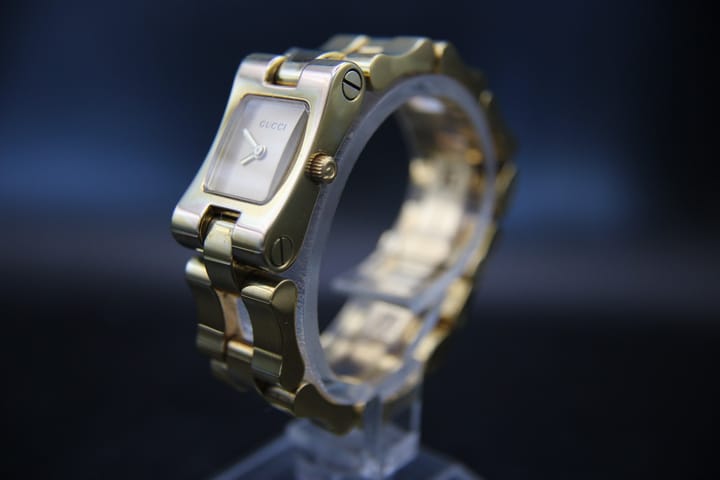
Not every colour in this group of collections is actually a dial colour. Two-tone is the exception: it names the case and bracelet, a mix of steel and a gold-tone metal, and says nothing on its own about what is printed or finished on the dial. Tissot and Seiko lead this collection, spanning dress, everyday and sports pieces. Two-tone wears differently to a fully gold-tone watch, and we check the balance between its steel and gold-tone surfaces just as closely as we check either one alone.
Frequently asked questions
Is two-tone a dial colour or a case finish?
A case finish, not a dial colour. Because the case and the dial are catalogued independently, the same watch can turn up here and in one of the dial-colour collections at the same time, so finding it listed twice is not a mistake.
Is a two-tone watch the same as a gold watch?
No. A gold watch in our collections has a case that is wholly gold or gold-plated. A two-tone watch is deliberately part steel and part gold-tone, arranged in bands or panels rather than covering the whole case, and the two collections are kept separate.
Does the gold-tone plating on a two-tone watch wear off?
It can, after decades of wear, usually starting at points of repeated contact like a bracelet clasp. A small amount of thinning there is normal for a fifty-year-old watch and does not affect how the watch runs; we simply describe what we find rather than presenting worn plating as pristine, so check the case photographs closely if plating condition matters to you.
Did two-tone watches come in both men’s and women’s styles?
Yes. The two-tone look spans dress, everyday and sports pieces for men, women and unisex wear alike; it was never confined to one style or one gender, which is part of why it became such a standard format.