5% off every watch with code LWM5. See terms

Free UK delivery · Free worldwide tracked shipping
LWMLondon Watch Market
Basket
Pre-Owned & Vintage Timepieces
Equal on every side

Vintage square watches.

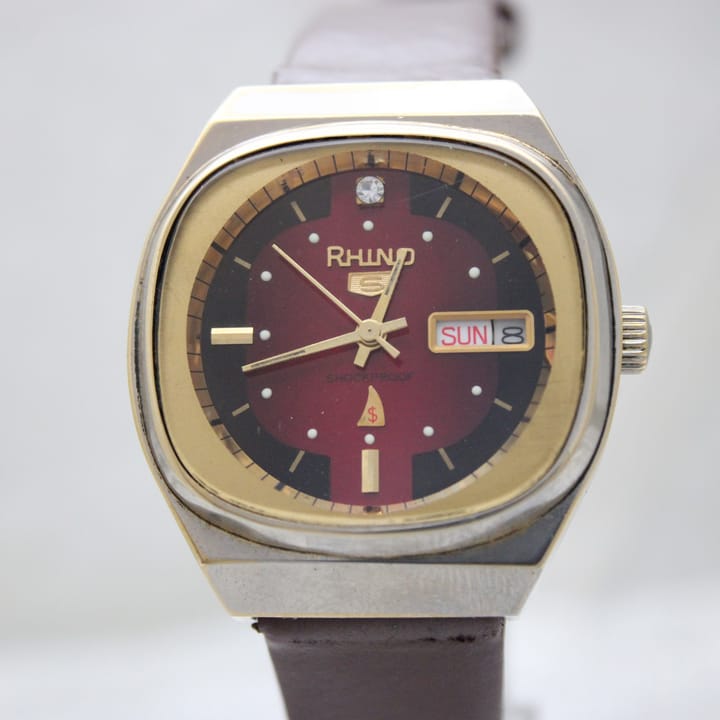
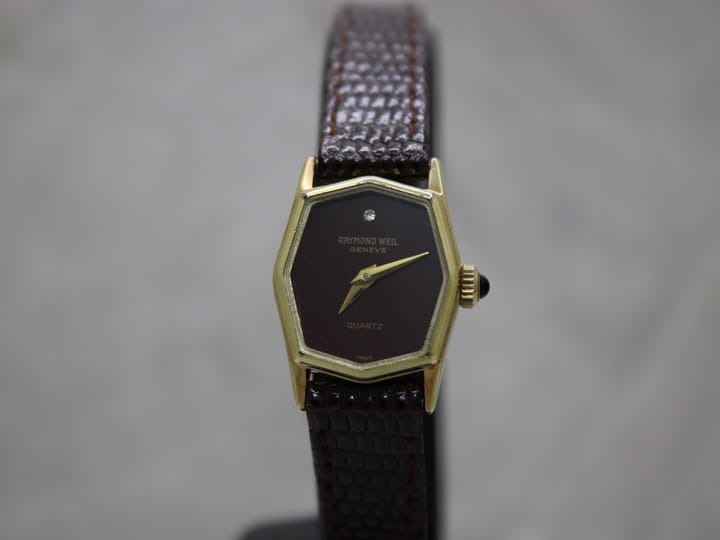
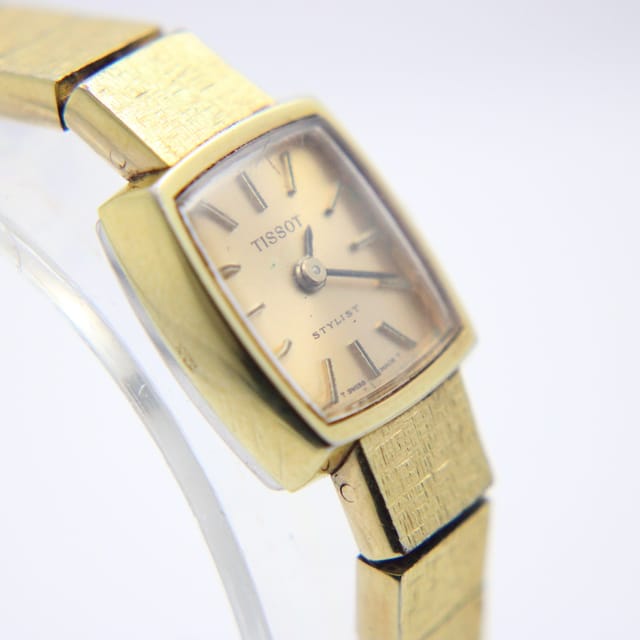
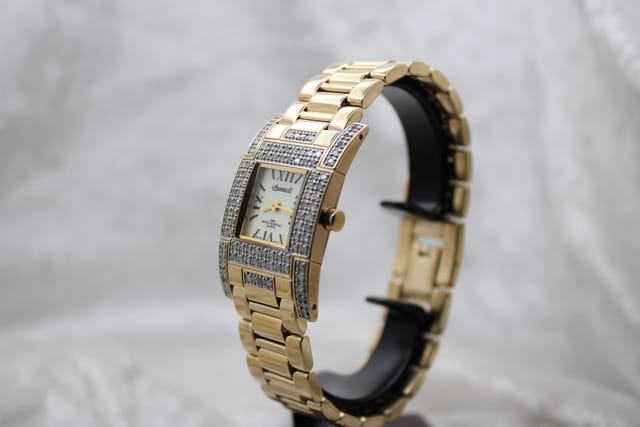
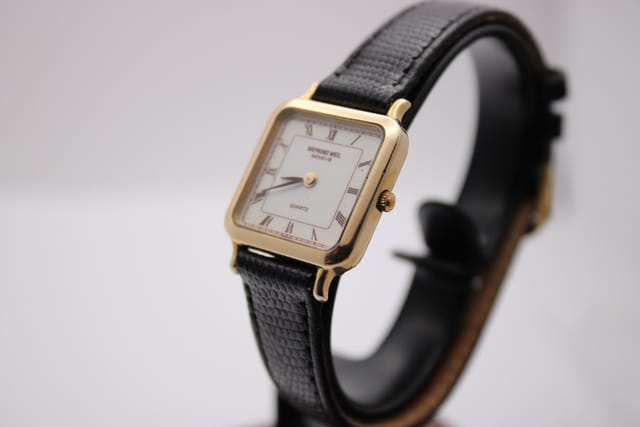
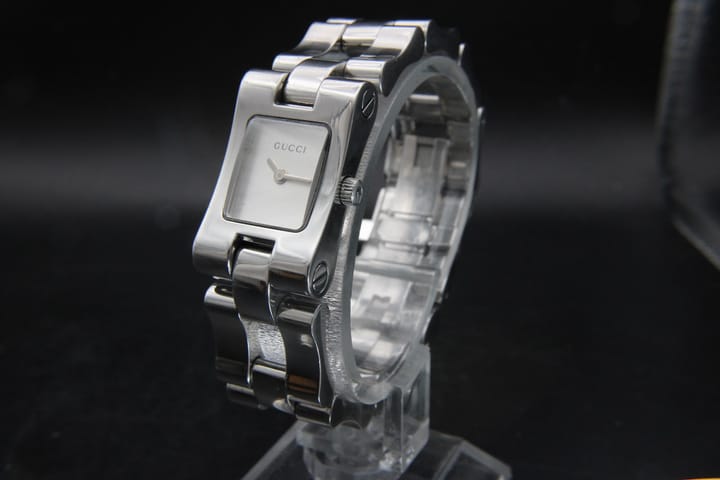
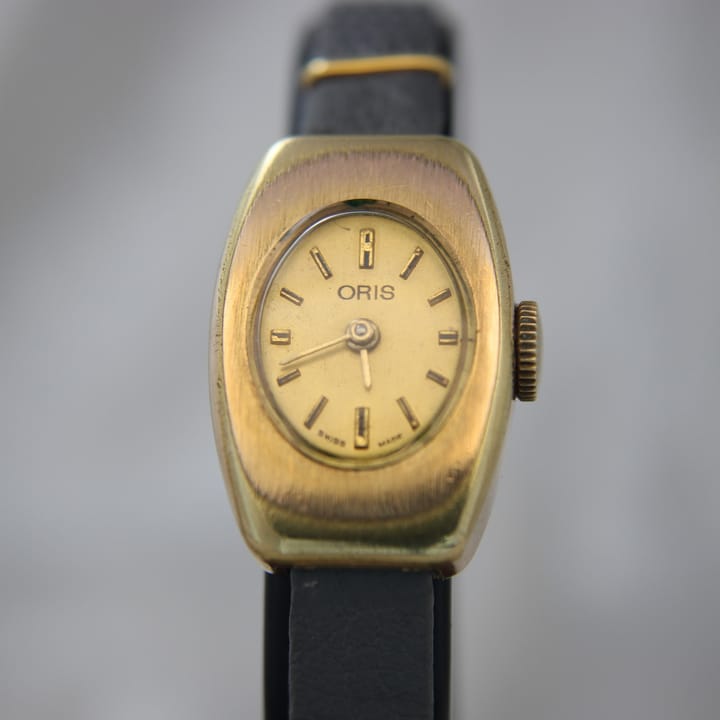
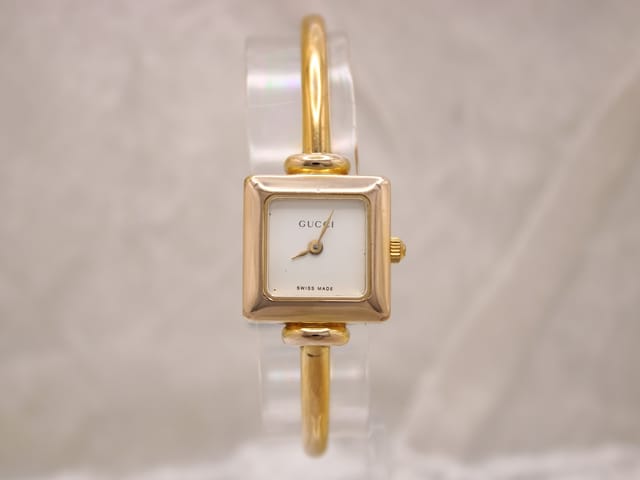
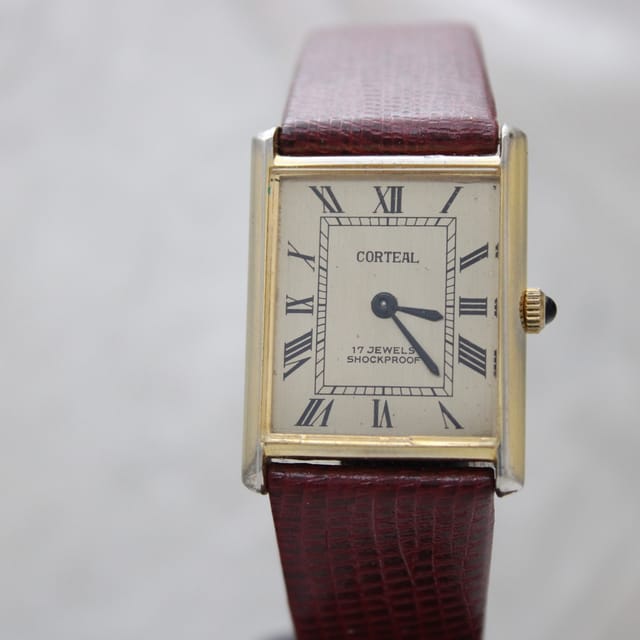
A square case has no long side to trade against a shorter one, only the same straight geometry repeated in both directions at once. Seiko, Tissot and Gucci lead this collection by some distance, with a further scatter of other Swiss and Japanese pieces alongside them. Each one has been wound or charged, timed and checked over before we photograph it for sale.
55
In our collection
32
Available now
14 days
Returns window

Other case shapes

See all collections in one place →

Browse a different way

Why square became a fashion statement

A square case does not have the one dominant long axis a rectangular case does, so there is no single hidden dimension to watch for. What it has instead is straight, uncurved sides running in both directions at once, rather than trading one flat axis for a shorter, more forgiving one. The shape surfaces in two distinct eras rather than one: the geometric confidence of Art Deco design in the 1920s and 1930s, and a later, more overtly fashion-led wave of geometric case design from the 1970s onward.

Seiko and Tissot both ran square cases through their everyday ranges for years rather than treating the shape as a one-off, which is why examples turn up regularly rather than as rare curiosities. Gucci's square quartz pieces from the 1990s belong to a slightly later, more overtly fashion-led wave of the same idea.

What the measurements tell you on a square case

Width and lug-to-lug are not the same figure even on a true square case: the lugs still project beyond the case edge, just as they do on any other shape, so lug-to-lug remains the larger of the two numbers. What symmetry does give you is a case size figure that describes the footprint in every direction at once, rather than only one axis of it the way a rectangular listing's width figure does.

Case depth is the dimension that catches people out on a square watch, because thickness is what separates a slim dress piece from a chunkier everyday one, and it rarely shows clearly in a flat product photo. It is not part of the case size figure we publish, so if slimness matters to you, ask us and we will check the actual watch before you buy.

Square is not a short rectangle

It is tempting to treat square as simply a rectangle with the long side trimmed, but the two shapes wear differently enough to be worth keeping apart. We class a case as square when its two axes are close to equal, and as rectangular once one axis is clearly the longer; a case that is only slightly off square still reads as square to the eye and sits in this collection rather than in rectangular watches.

The practical difference is how the case sits: a rectangular watch draws the eye up and down the wrist, while a square one holds its shape from every direction and tends to suit a wider range of wrist sizes without looking either lost or oversized.

Frequently asked questions

What counts as a square watch rather than rectangular?

We class a case as square when its two axes are close to equal in length, and rectangular once one axis is clearly the longer. It is a judgement made against each watch individually rather than a fixed cut-off.

Do square watches suit smaller wrists?

Generally yes, because the shape holds together evenly rather than running the length of the wrist the way a rectangular case does. Compare the case size figure on the listing against a watch you already wear, and ask us about depth separately if slimness matters to you.

Which brands made square watches?

Seiko and Tissot both used the shape across their ranges for years rather than as a one-off, and it turns up regularly in this collection. Gucci's square quartz pieces from the 1990s are a later, more fashion-led take on the same idea.

Are square watches mechanical or quartz?

Both. Square dress cases from the mid-century decades are often mechanical, while the geometric quartz pieces of the 1970s and 1980s that made the shape popular are, as the name suggests, quartz. Each listing states the movement type.
Looking for something specific? We're happy to help you find it.

Get in touchAll collections