5% off every watch with code LWM5. See terms

Free UK delivery · Free worldwide tracked shipping
LWMLondon Watch Market
Basket
Pre-Owned & Vintage Timepieces
Angular cases cut from flat facets

Vintage octagonal watches.

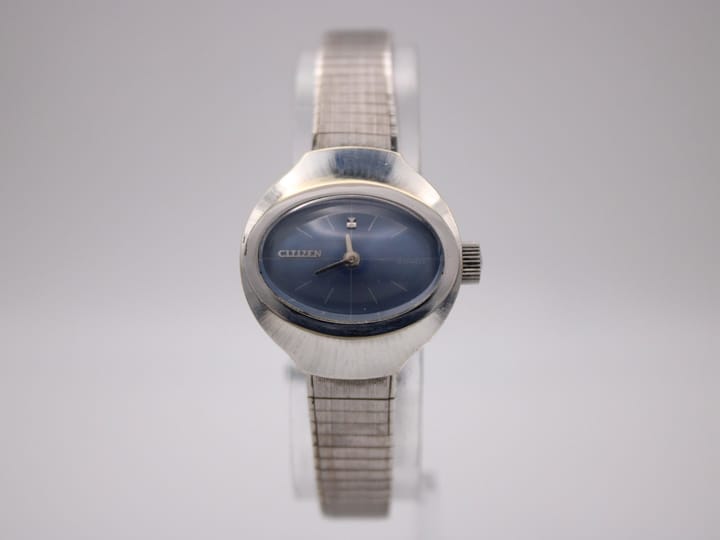
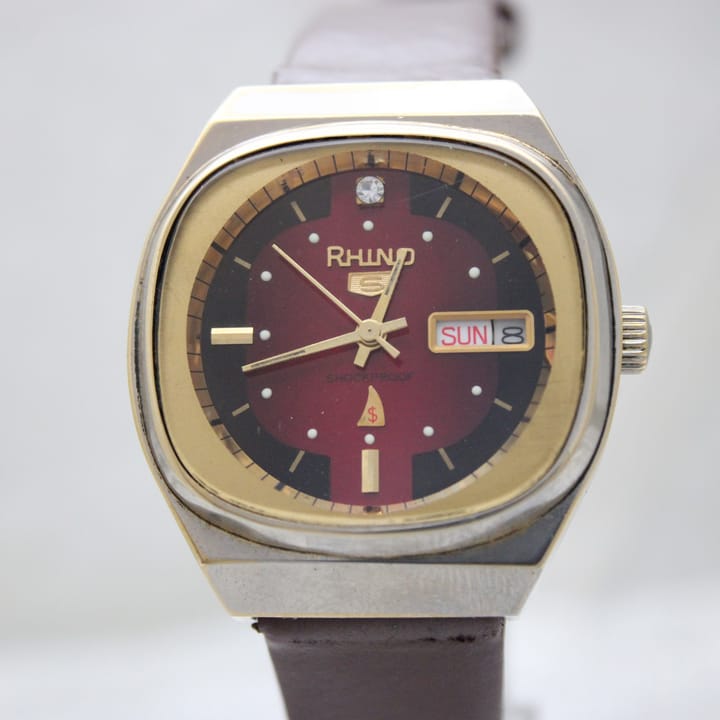
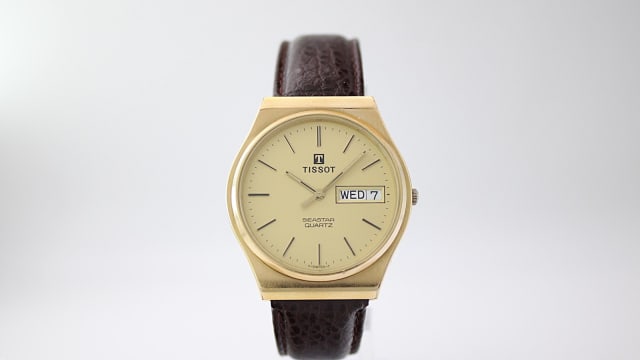
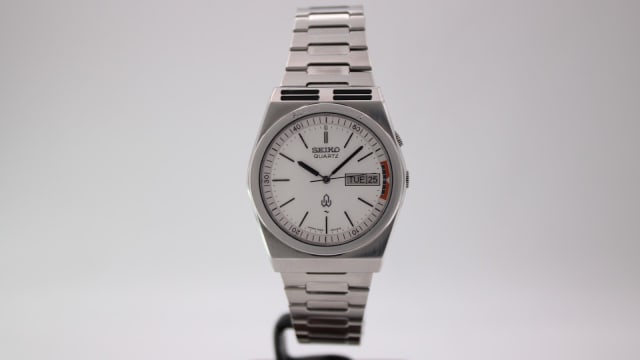
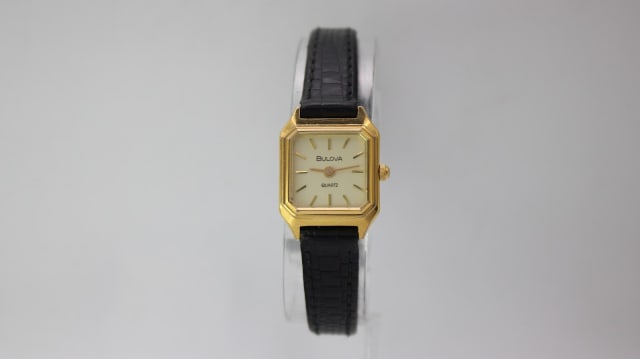
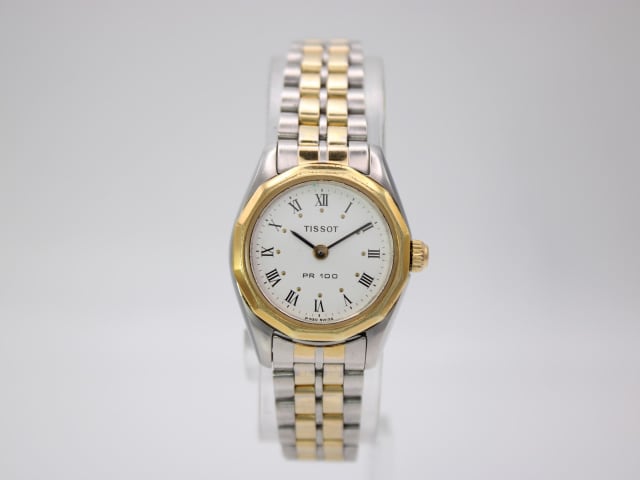
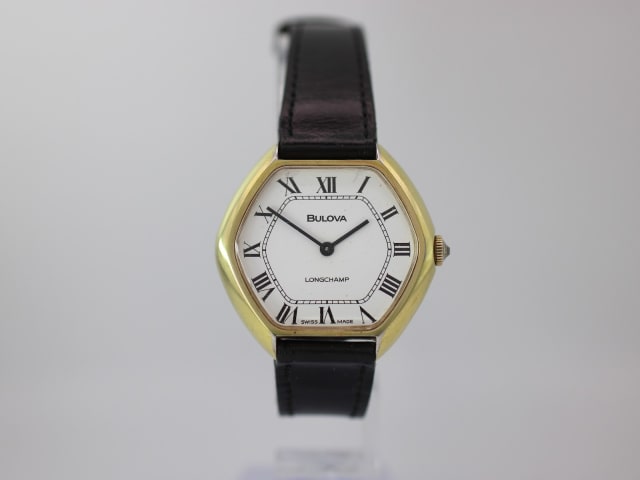
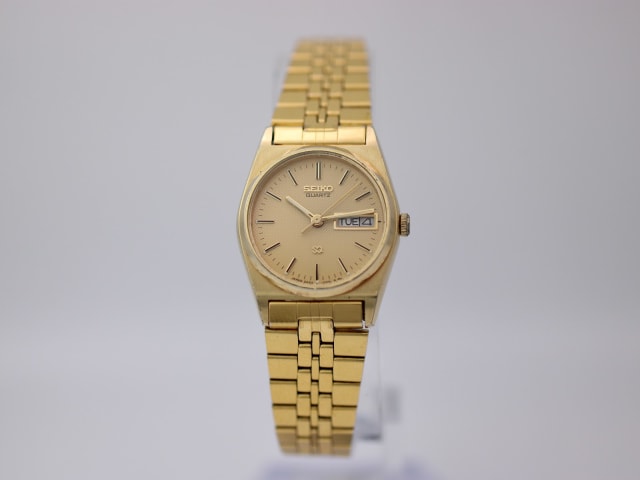
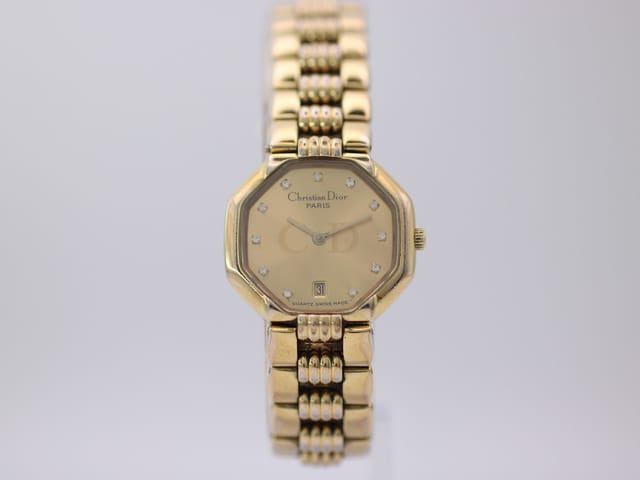
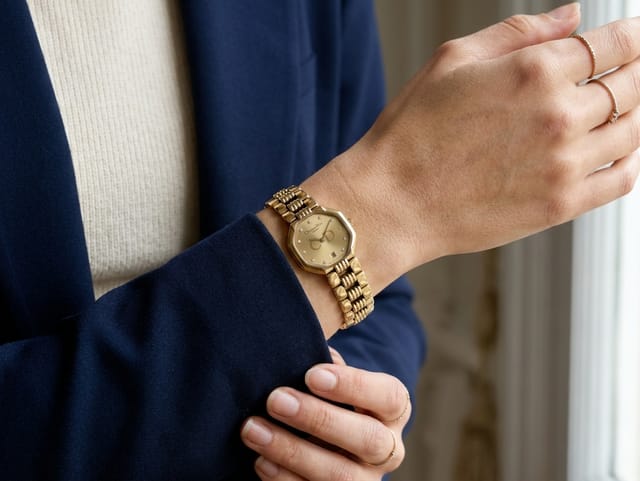
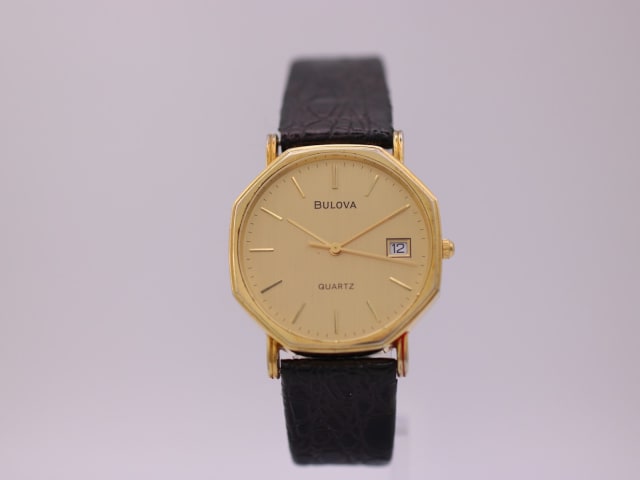
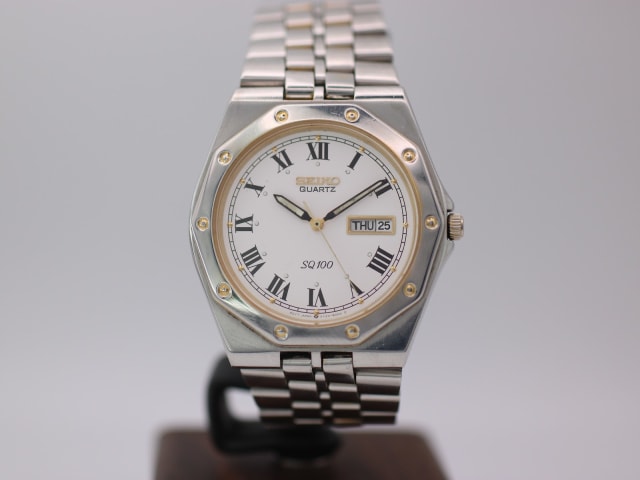
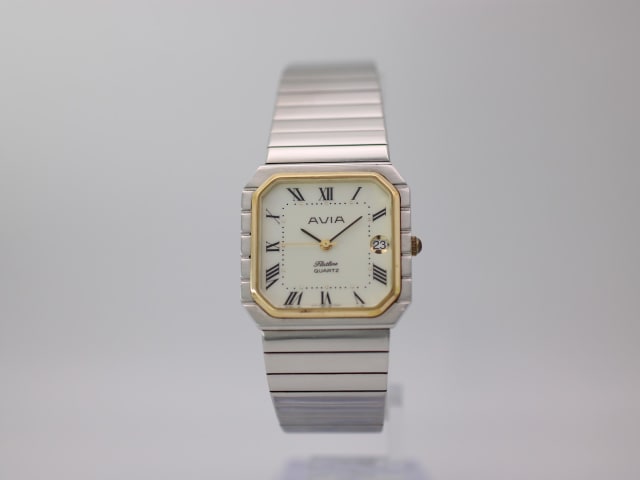
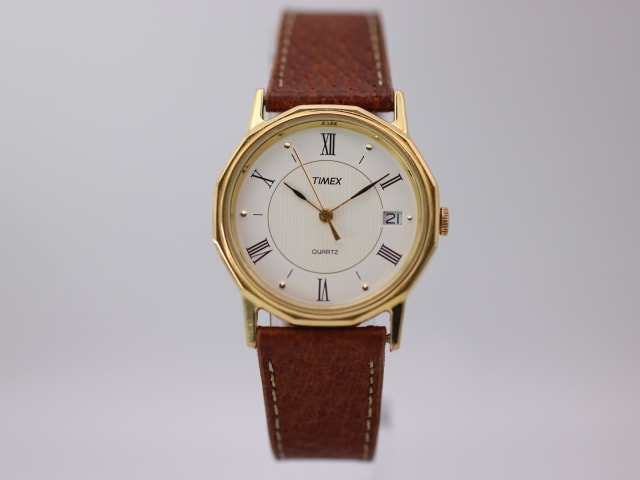
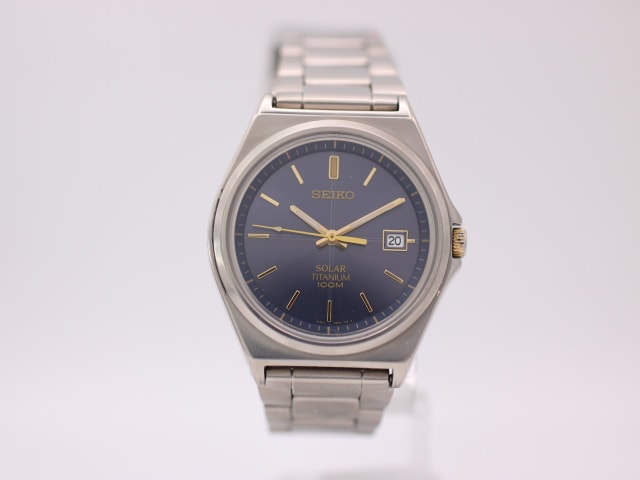
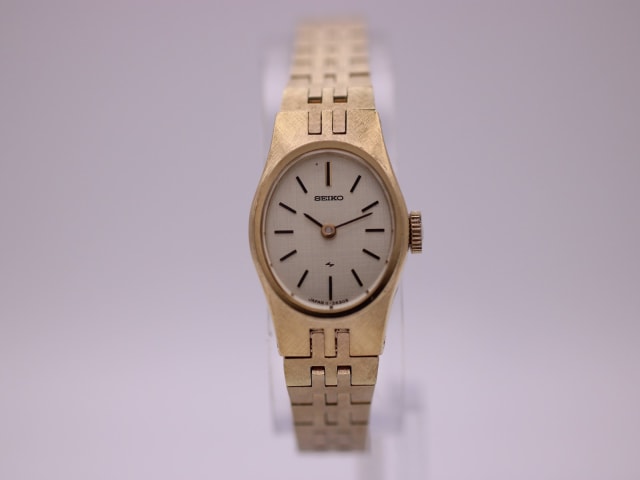
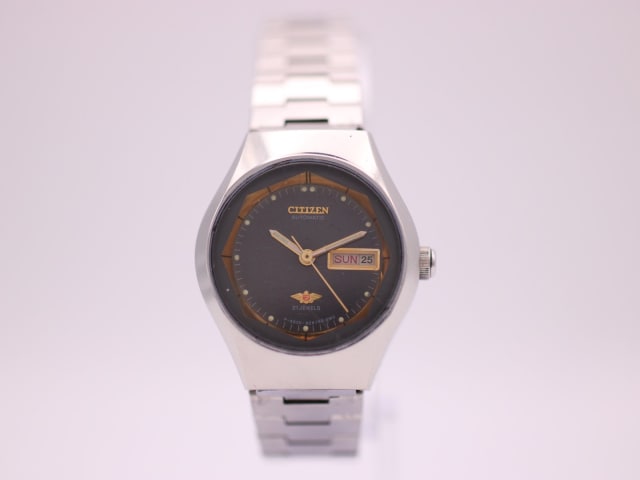
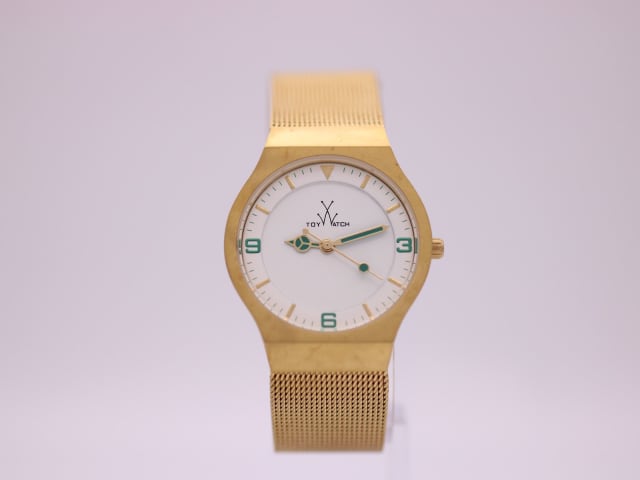
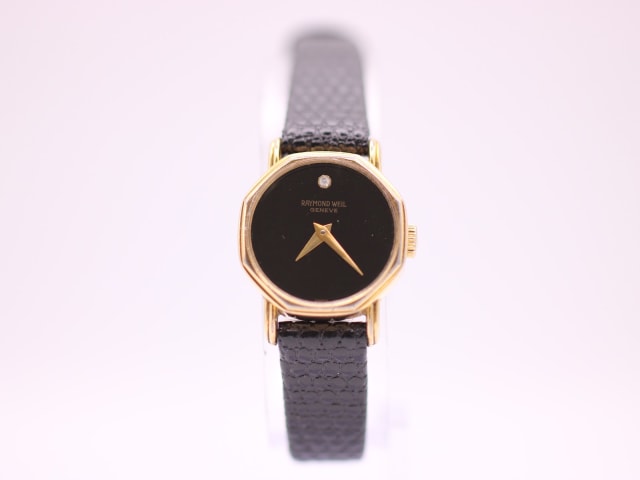
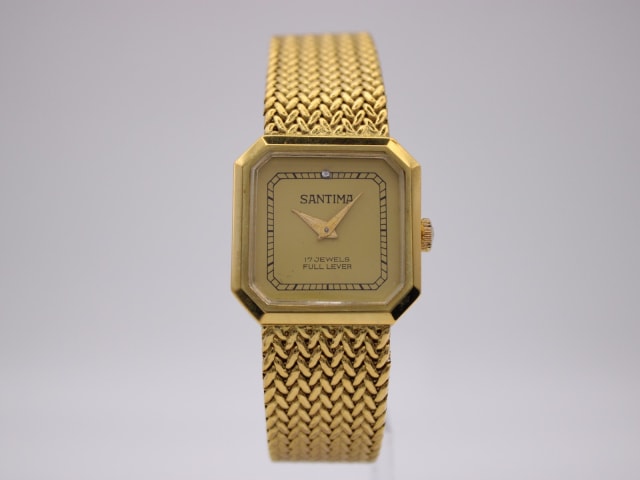
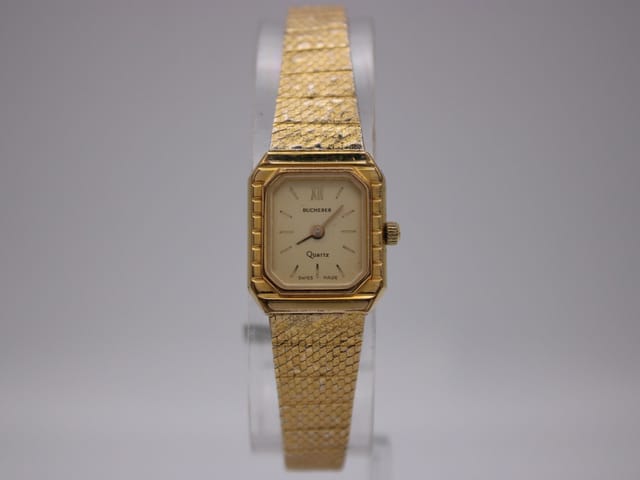
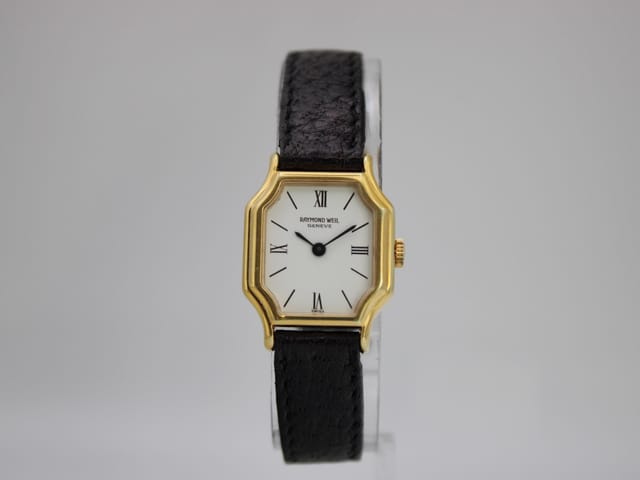
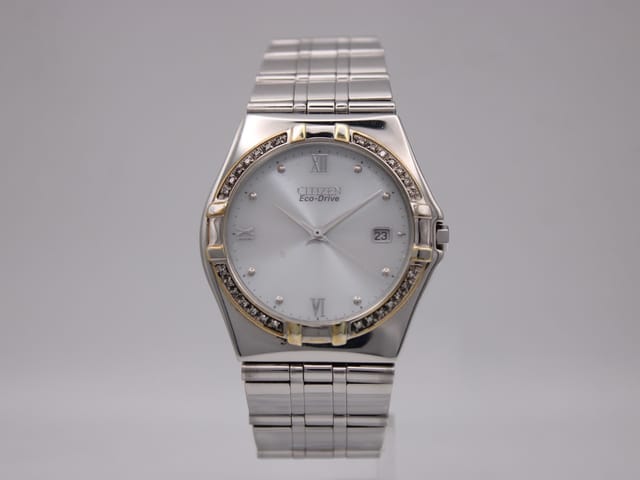
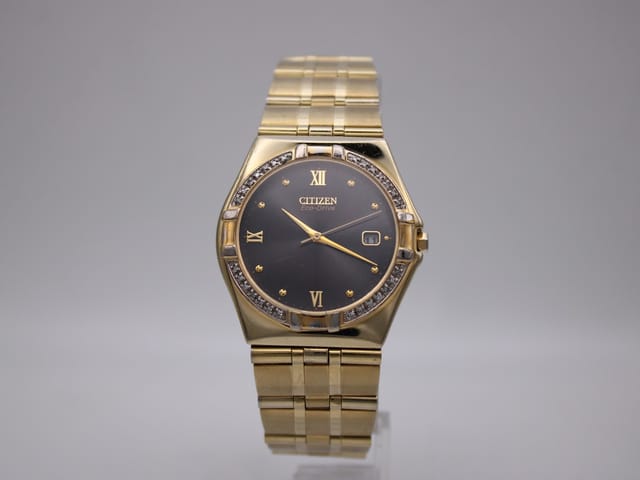
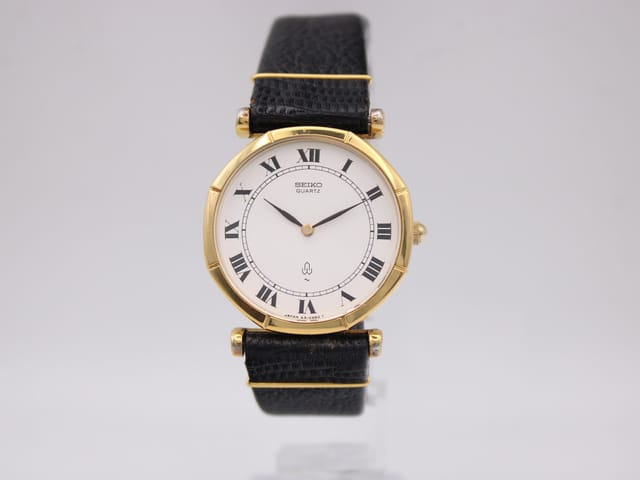
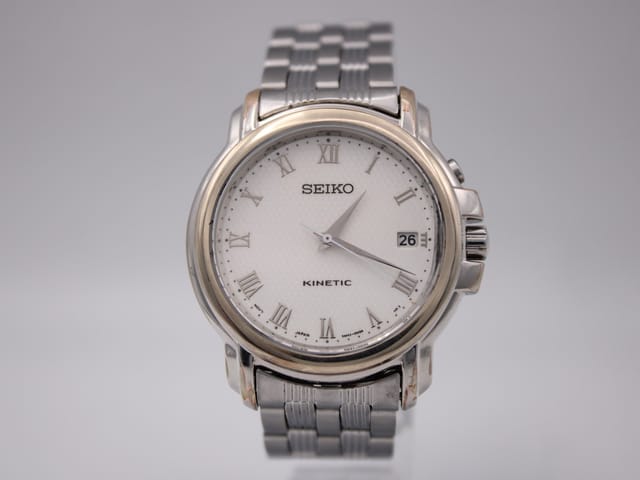
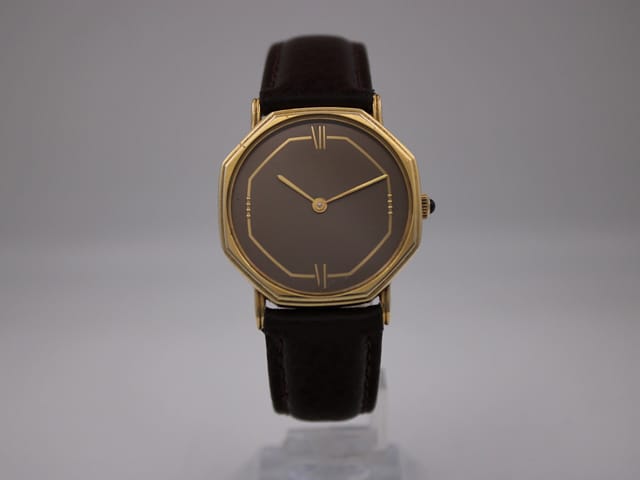
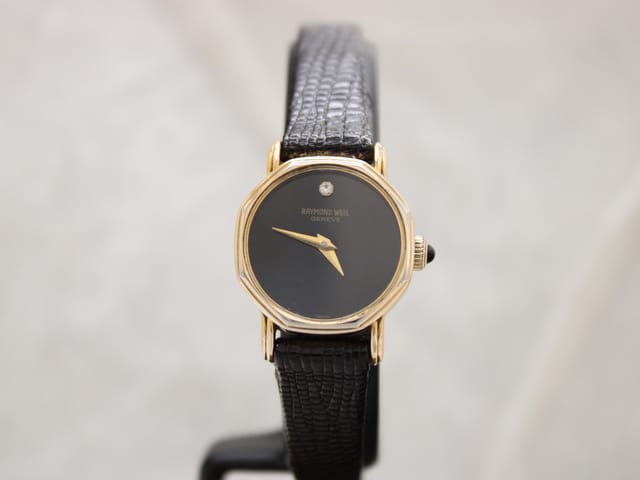
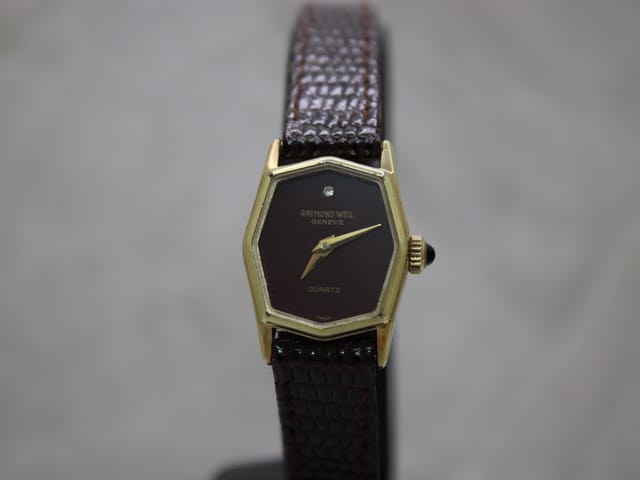
Angular cases, cut from flat facets rather than a curve, gather here in two related shapes: octagonal ones make up most of this collection, and a small handful of hexagonal pieces sit alongside them because there are too few to warrant a page of their own and both read as the same idea on the wrist. Seiko, Raymond Weil and Citizen are the strongest presences. Every piece is checked, timed and photographed before it goes up for sale.
26
In our collection
20
Available now
14 days
Returns window

Other case shapes

See all collections in one place →

Browse a different way

Angular cases and the era that favoured them

An octagonal or hexagonal case belongs to the same design instinct that produced integrated-bracelet sports-dress watches through the 1970s and into the 1980s: a case built from flat facets rather than a curve, often paired with a matching bracelet so the whole watch reads as a single geometric object rather than a case with a strap attached. It is a bolder, more architectural take on the watch than anything round or gently curved offers.

Seiko, Raymond Weil and Citizen all worked in this register at different points, and the pieces in this collection span both dress-leaning examples in steel and gold tone and more overtly sporty angular designs.

How an angular case reads against a round one

A case cut with flat facets catches light differently to a curved one: it flashes at each face as the wrist turns rather than gleaming continuously the way a polished round case does. That is part of the appeal, and also why condition matters more here than on a plain round watch. A scratch or a dent shows plainly on a flat facet in a way it can hide on a curve, so we photograph and describe case condition closely on every angular piece.

Fit tends to run a little firmer than a round watch of the same width, because the facets sit at the edge of the case rather than curving away from the wrist. It is worth checking the width figure on the listing against a watch you already wear, rather than assuming an angular case will sit the same as a round one of the same size.

Octagon and hexagon, and why we group them here

An octagonal case has eight facets and a hexagonal one has six, and in isolation they are a genuinely different shape. Current stock holds only a handful of hexagonal pieces against a much larger group of octagonal ones, and side by side on a wrist the two read the same way: an angular case built from flat faces rather than a curve. Splitting them into two separate collections would leave one of them too thin to be worth a page of its own, so we have kept them together here.

If the exact facet count matters to you, the photographs on each listing show the case clearly enough to count the sides yourself, and you are welcome to ask us to confirm which is which before you buy.

Frequently asked questions

Why are hexagonal watches included in the octagonal collection?

There are only a handful of hexagonal pieces in stock at any time, too few on their own to justify a separate collection, and an angular case with six facets wears much like one with eight. The photographs on each listing show the case clearly, and we are happy to confirm whether a particular piece is an octagon or a hexagon if you ask before buying.

Do angular cases scratch more easily than round ones?

Not more easily, but marks show more plainly on a flat facet than on a curved surface, since a scratch catches the light differently there. We check and describe case condition closely on every angular watch we list.

Which brands made octagonal and hexagonal watches?

Seiko, Raymond Weil and Citizen are the strongest presences in this collection, spanning dress-leaning steel and gold-tone pieces through to bolder, more sporty angular designs.

Do angular cases fit differently to round ones of the same width?

Often a touch firmer, because the flat facets sit at the edge of the case rather than curving away from the wrist. It is worth comparing the width on the listing against a watch you already own rather than assuming it will sit the same as a round case.
Looking for something specific? We're happy to help you find it.

Get in touchAll collections