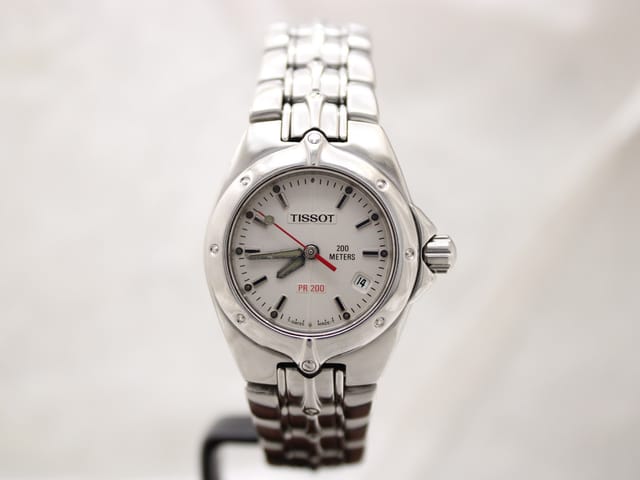
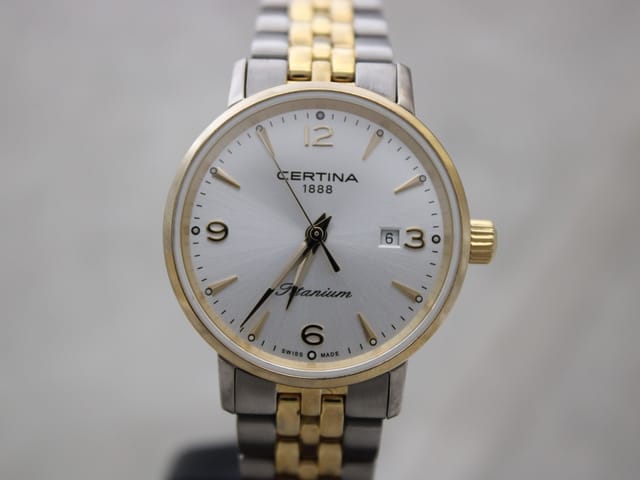
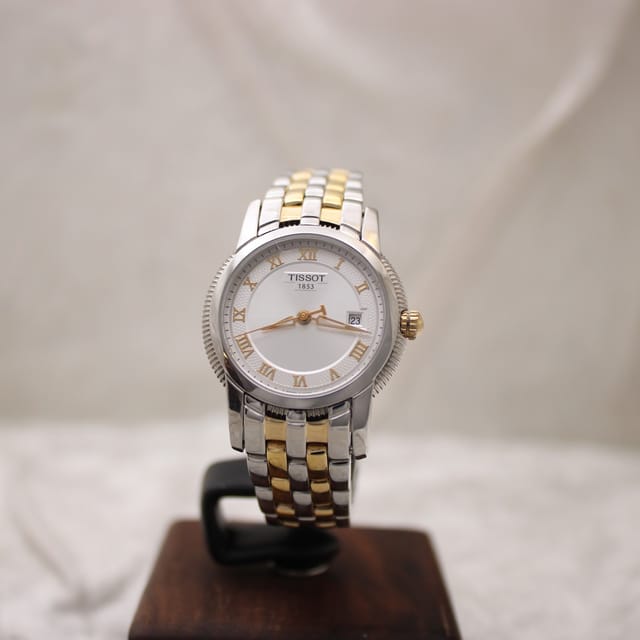
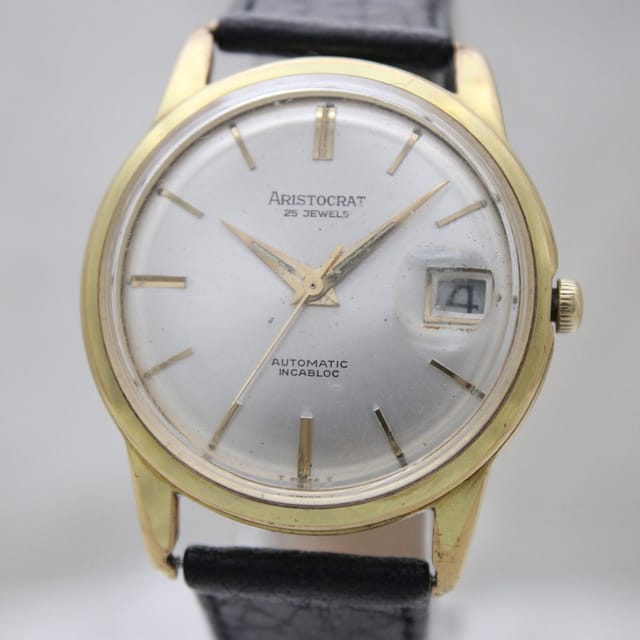
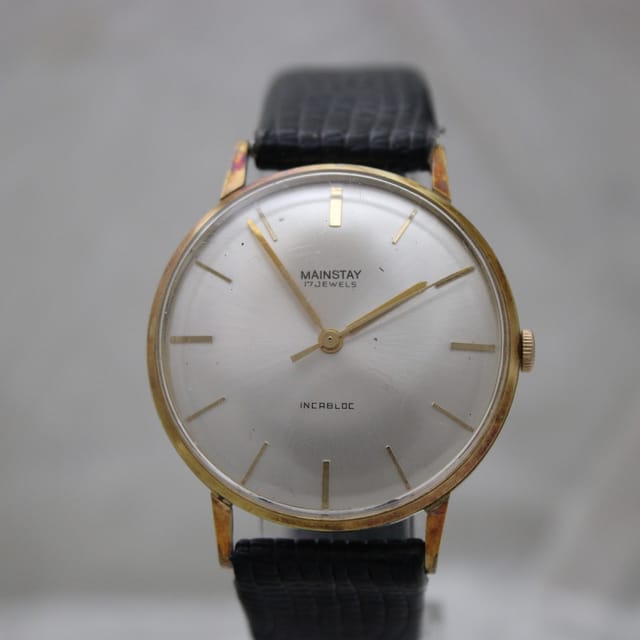
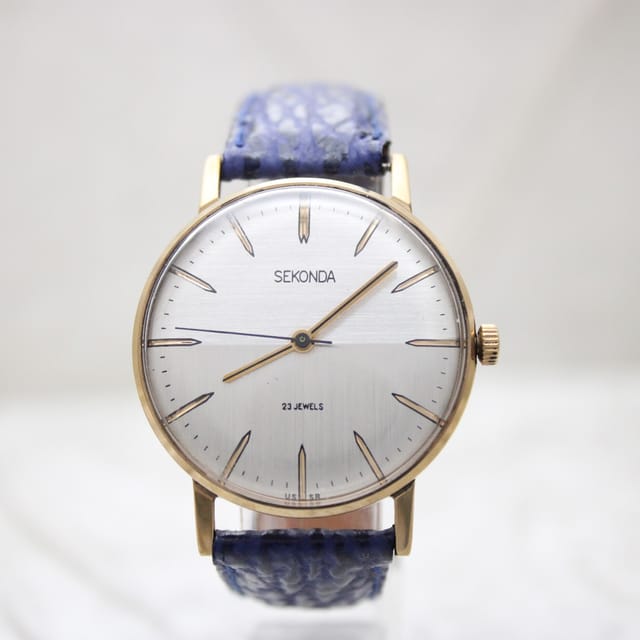
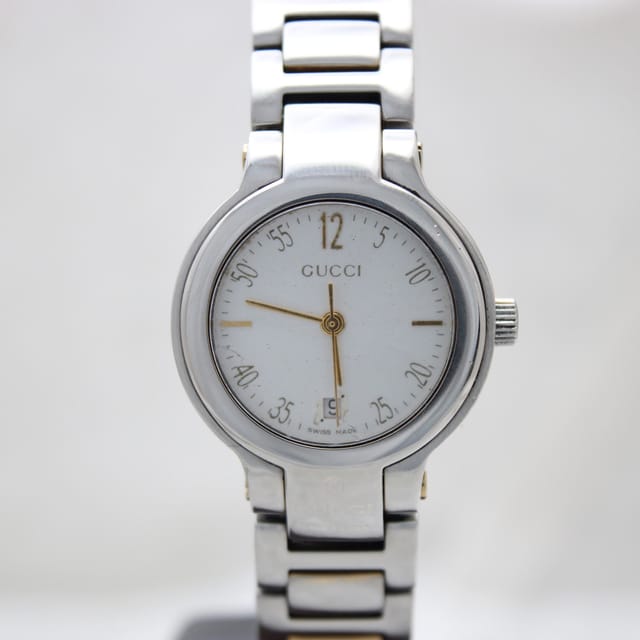
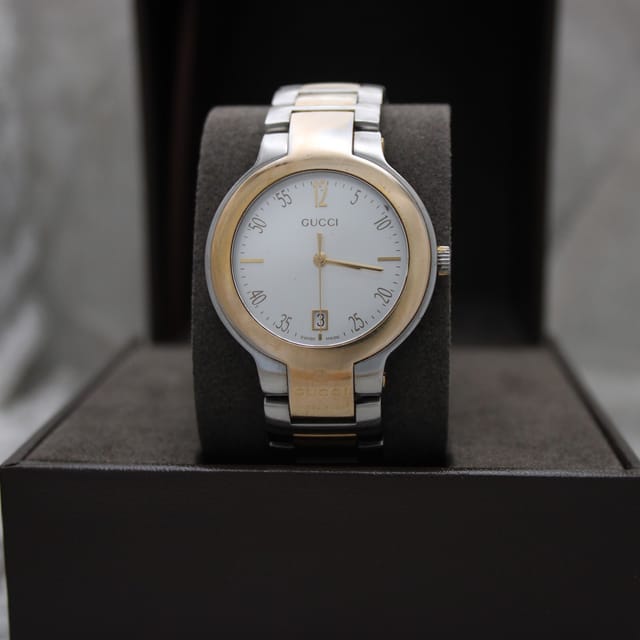
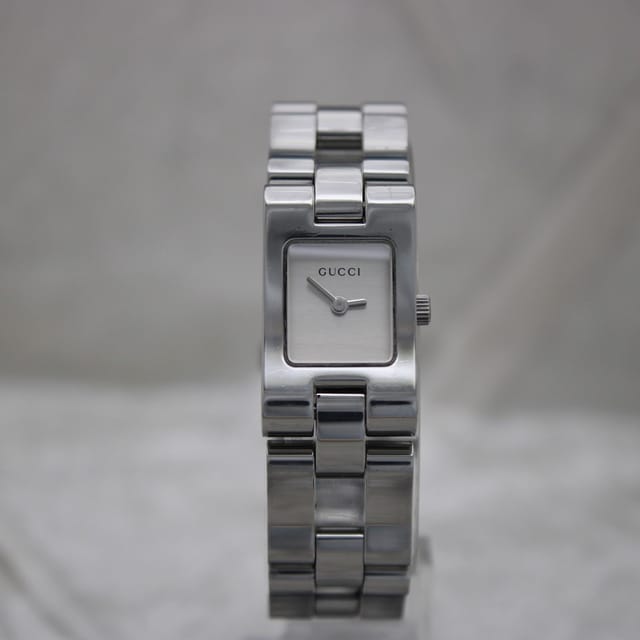
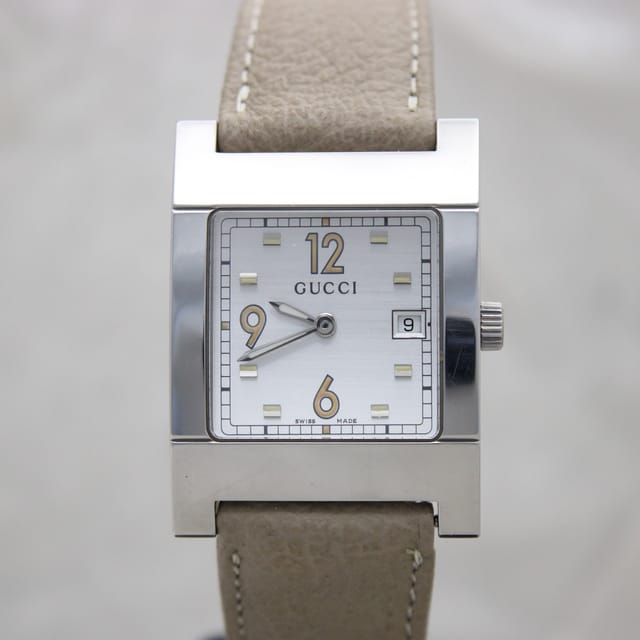
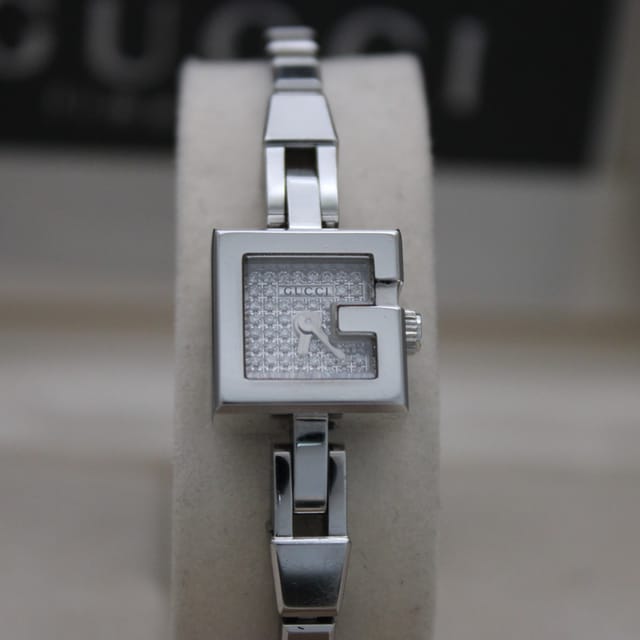
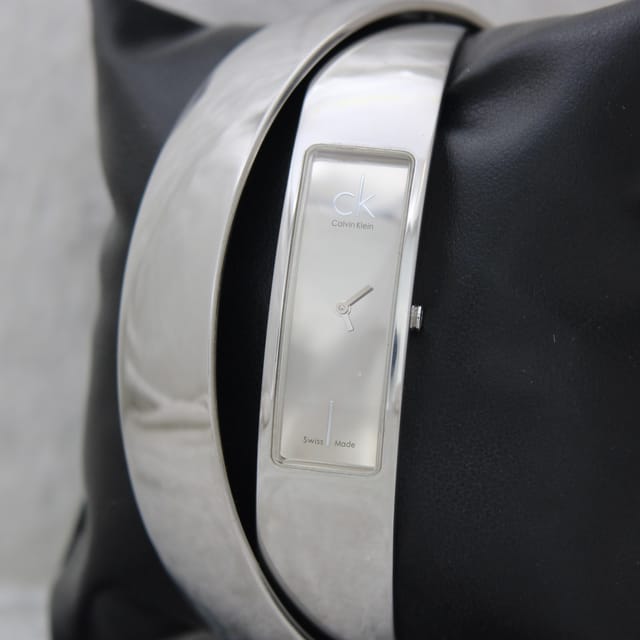
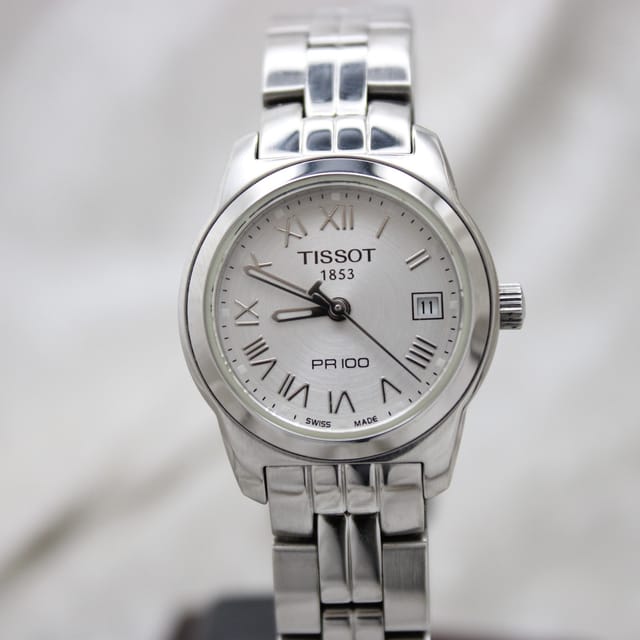
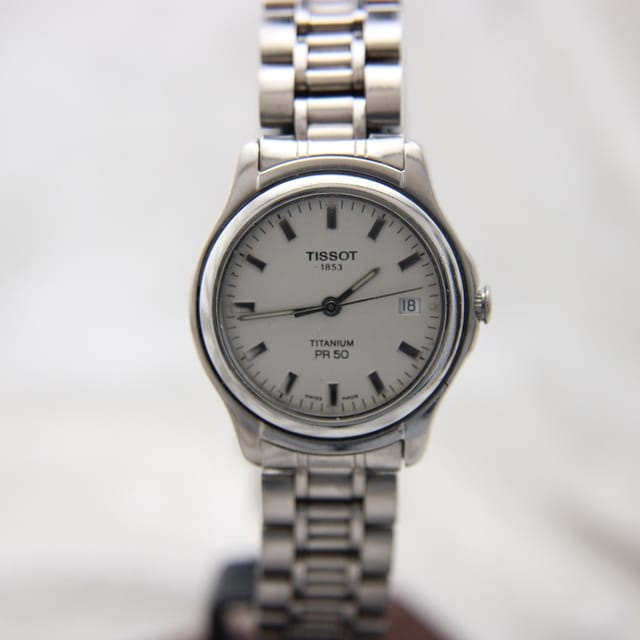
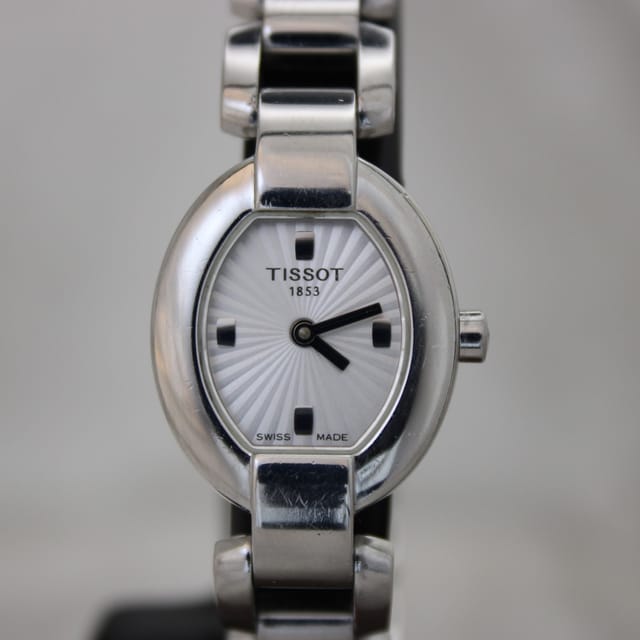
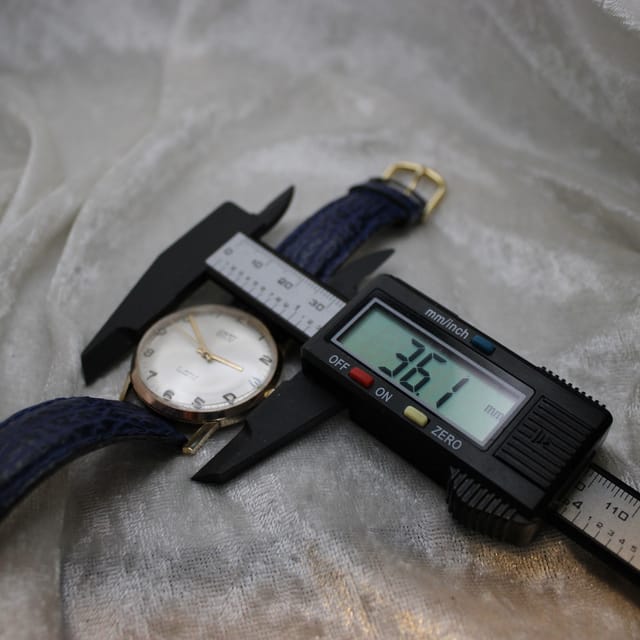
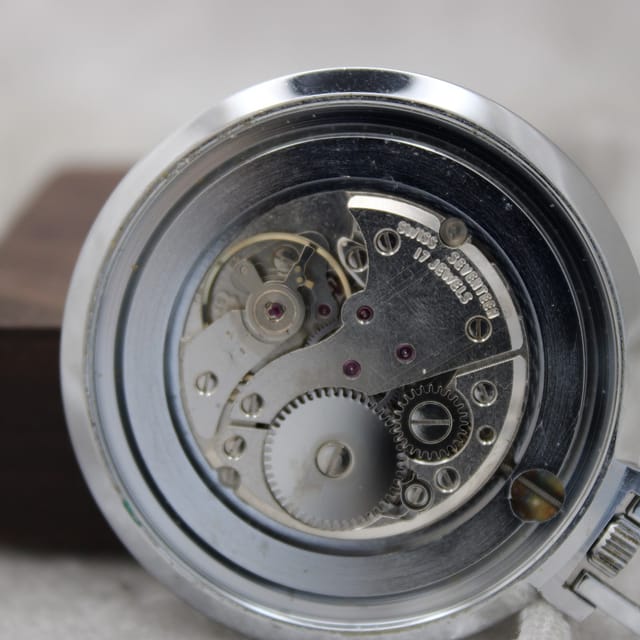
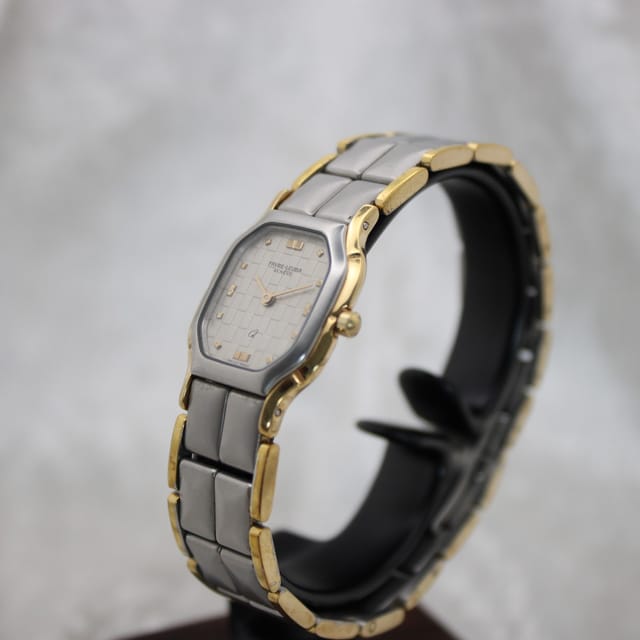
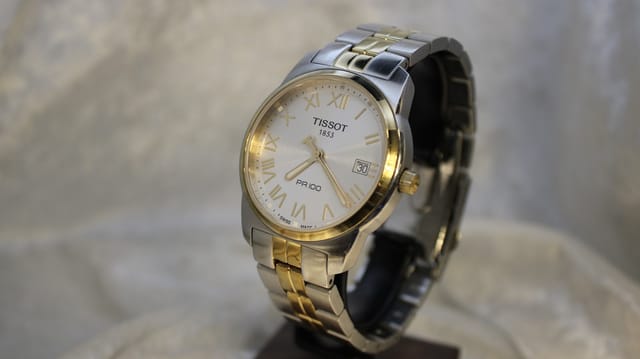
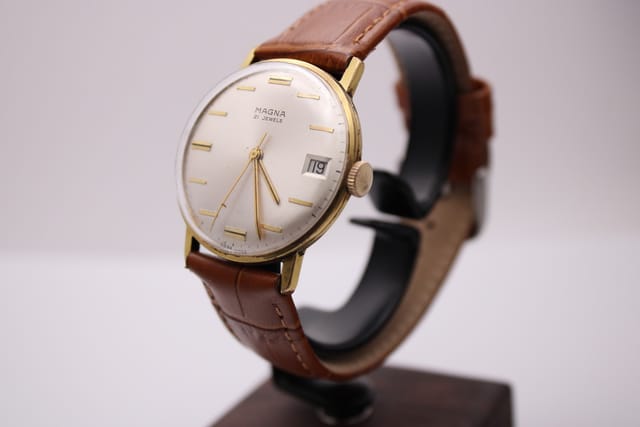
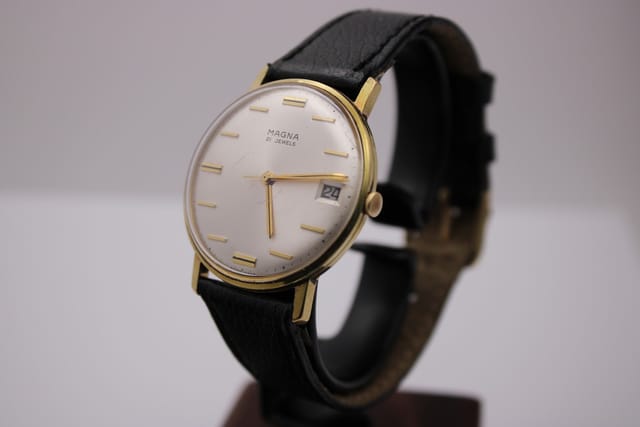
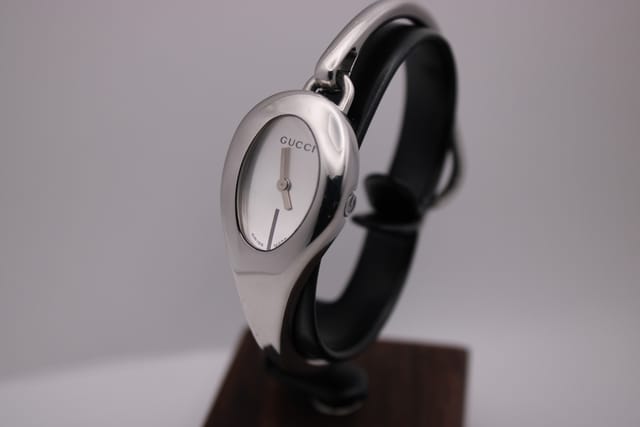
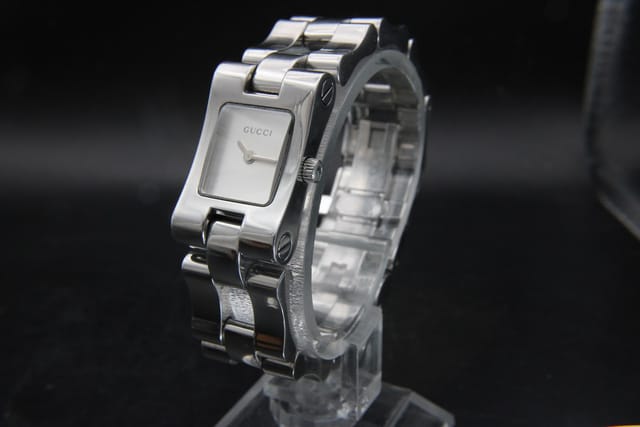
Vintage silver dial watches.
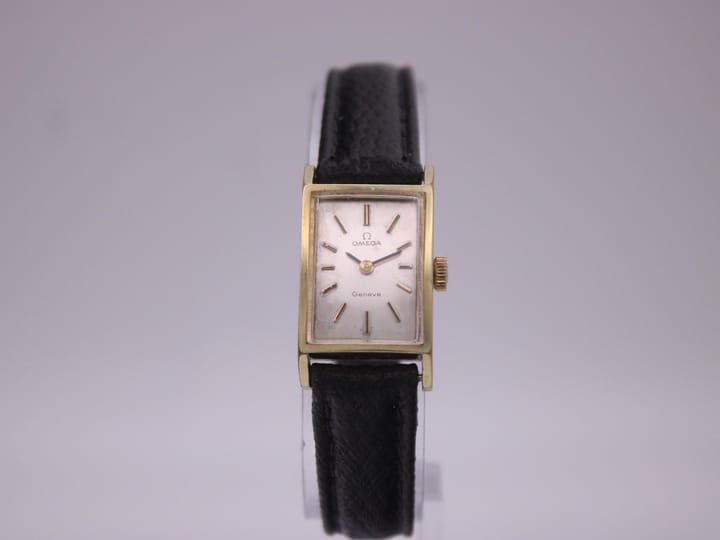
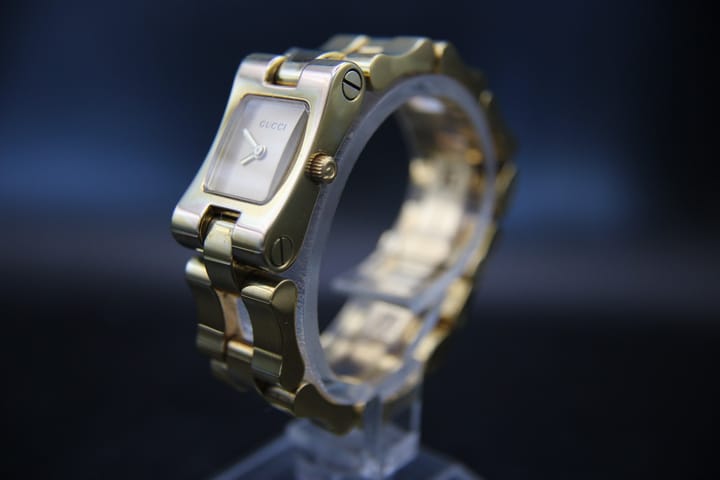
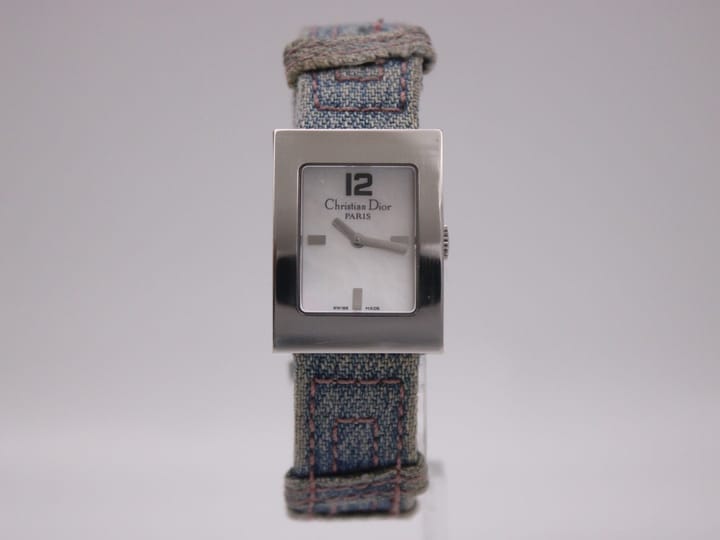
Call a dial silver and most people picture metal rather than paint, and that instinct is closer to the truth than most colour names get. A silver dial is a finished metal surface, brushed, sunburst or polished depending on the piece, not a printed shade, and it brightens or dims as the light and the angle of your wrist change rather than sitting at one fixed tone. Tissot and Gucci are the strongest presences among our silver dial watches, with other Swiss and Japanese houses filling out the rest. Dial colour is stated on every listing, so the description matches what you will actually see.
Frequently asked questions
Why can a silver dial look grey rather than silver in a photo?
A silver dial only shows its brightest tone when it catches direct light, so diffuse or overcast light in a photograph can make the same dial read closer to grey. It is a property of the reflective finish rather than a difference in the actual dial, and it is worth looking at more than one image before judging the colour.
Does a silver dial need any special care?
A brushed or sunburst finish shows fingerprints and fine surface marking a little more readily than a flat-coloured dial, so it is worth cleaning the glass rather than the dial itself and avoiding abrasive polish. We note the condition of the finish on every listing, including anything we can see.
Is a silver dial the same thing as a steel case?
No, they are recorded separately. A silver dial describes the face of the watch; the case can be steel, gold-tone or two-tone independently of it, so it is worth checking both fields on a listing rather than assuming one from the other.
Does a silver dial suit a leather strap or does it need a metal bracelet?
Either works well, since a neutral metallic tone doesn't clash with leather or steel the way a strongly coloured dial sometimes can. Leather tends to read a little dressier against it, a matching bracelet a little more everyday, and the dial itself doesn't favour one over the other.