
Vintage hand-wound watches.
A hand-wound watch asks something of you. There is no rotor and no battery: you turn the crown each morning, feel the mainspring tighten, and the watch runs because you wound it. An automatic does the same job with a weight that spins as you move; a manual watch leaves that job to you, and is thinner for it. That is why the slimmest, most elegant dress watches of the 1950s and 1960s are almost all hand-wound. Every piece here has been wound, set and timed before listing.
Every watch here comes with 14 days to return it.
 Sold
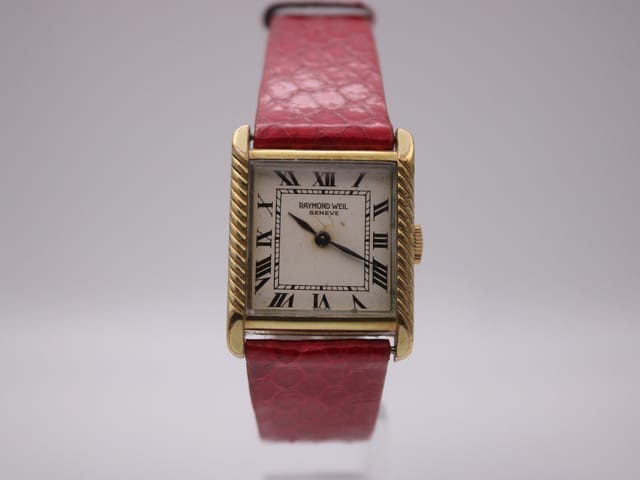
Raymond Weil
- Movement
- HAND WIND
- Case size
- 25mm
- Strap
- Leather
- Condition
- Very Good
 Sold
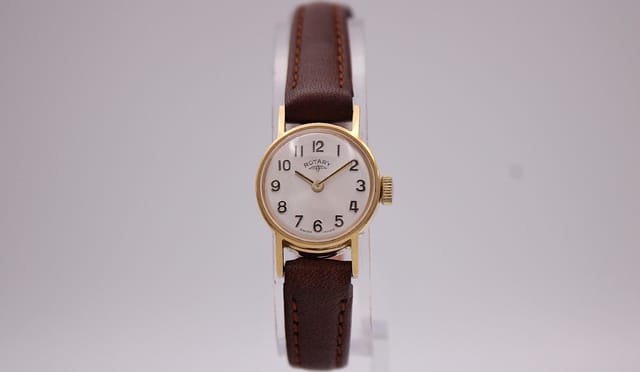
Rotary
- Movement
- MANUAL WIND
- Case size
- 18.5mm
- Strap
- Leather
- Condition
- Good
 Sold
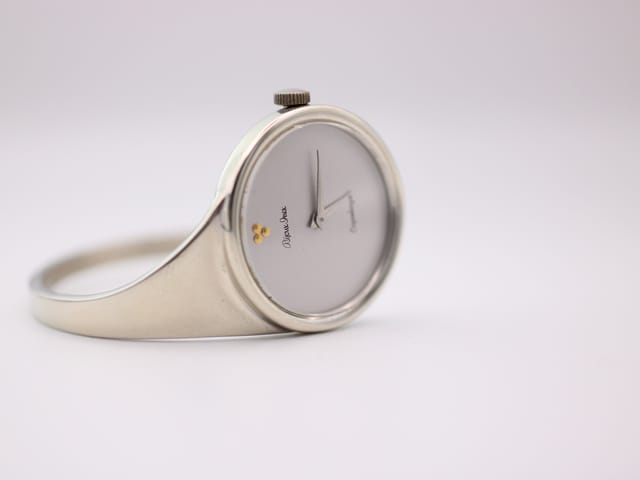
Bijoux Birk
- Movement
- MANUAL WIND
- Case size
- 30.1mm
- Strap
- Integrated
- Condition
- Very Good
 Sold
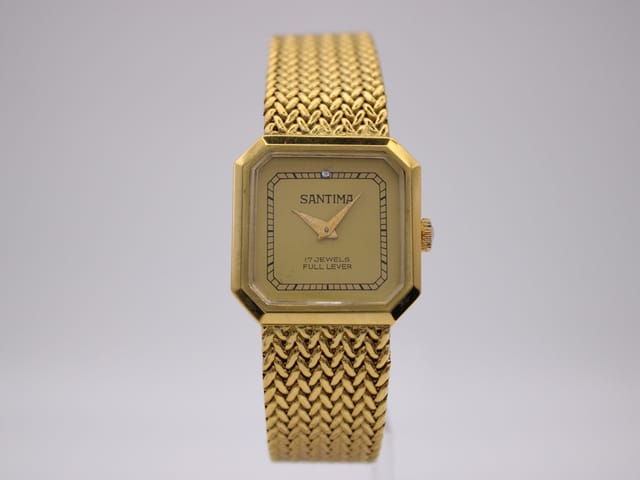
Santima
- Movement
- MANUAL WIND
- Case size
- 26mm
- Strap
- Mesh
- Condition
- Very Good
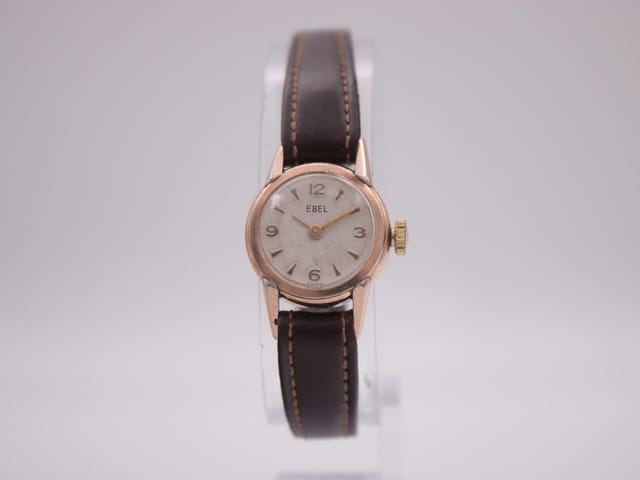 Sold
Ebel
- Movement
- MANUAL WIND
- Case size
- 17.75mm
- Strap
- Leather
- Condition
- Good
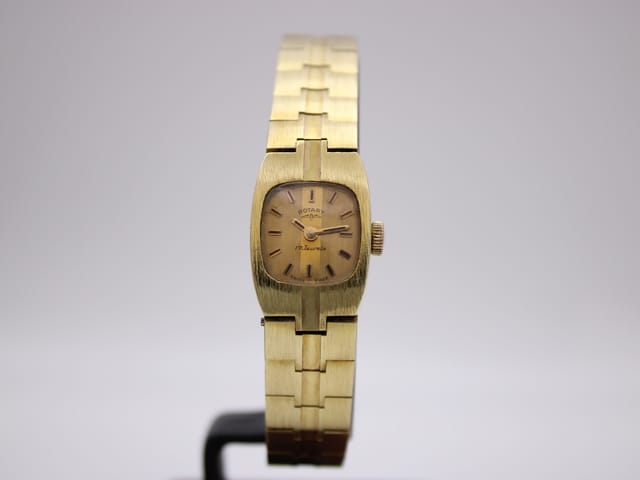 Sold
Rotary
- Movement
- MANUAL WIND
- Case size
- 15.67mm
- Strap
- Steel
- Condition
- Good
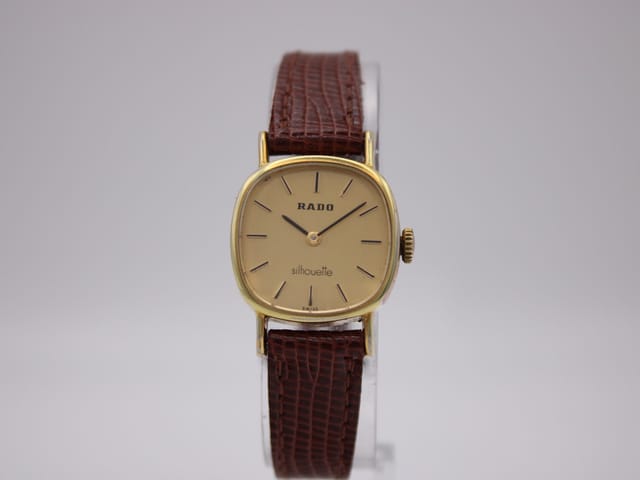 Sold
Rado Silhouette
- Movement
- MANUAL WIND
- Case size
- 21.36mm
- Strap
- Leather
- Condition
- Good
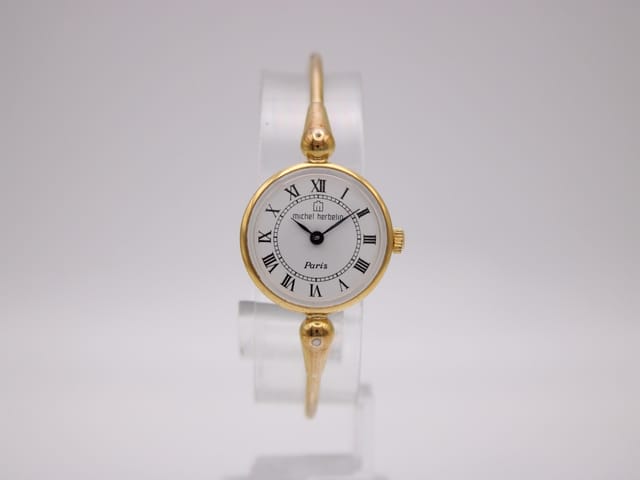 Sold
Michel Herbelin
- Movement
- MANUAL WIND
- Case size
- 20.71mm
- Strap
- Integrated
- Condition
- Very Good
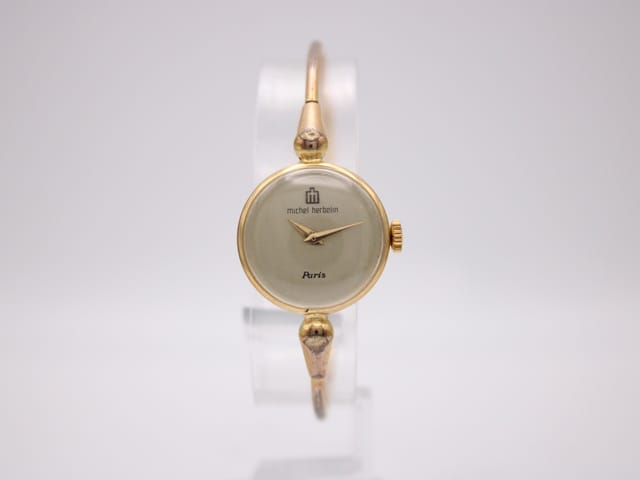 Sold
Michel Herbelin
- Movement
- MANUAL WIND
- Case size
- 20.86mm
- Strap
- Steel
- Condition
- Good
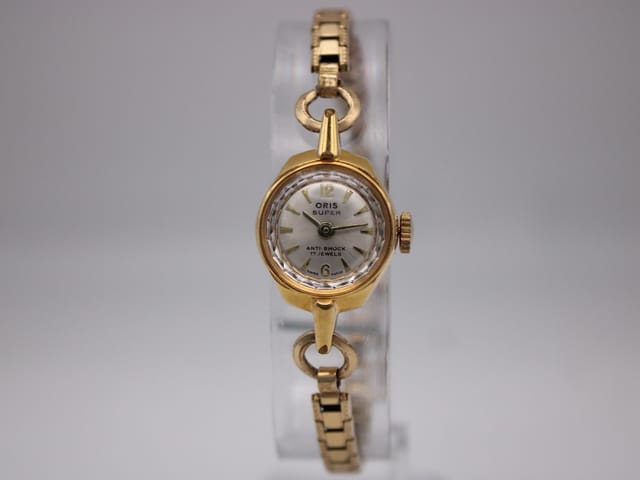 Sold
Oris Super
- Movement
- HAND WIND
- Case size
- 17.13mm
- Strap
- Steel
- Condition
- Excellent
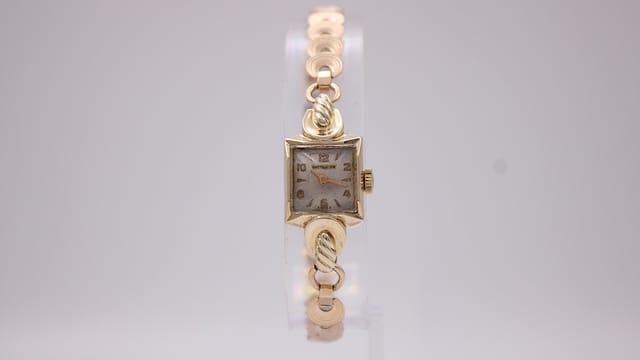 Sold
Wittnauer
- Movement
- MANUAL WIND
- Strap
- Steel
- Condition
- Good
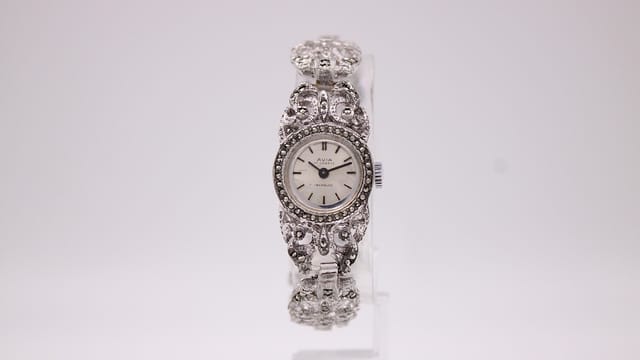 Sold
Avia 17 Jewels Incabloc
- Movement
- MANUAL WIND
- Case size
- 19.2mm
- Strap
- Integrated
- Condition
- Good
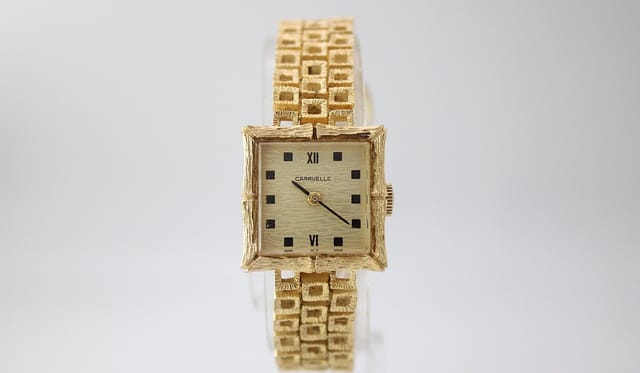 Sold
Caravelle N.1
- Movement
- MANUAL WIND
- Case size
- 19.5mm
- Strap
- Steel
- Condition
- Very Good
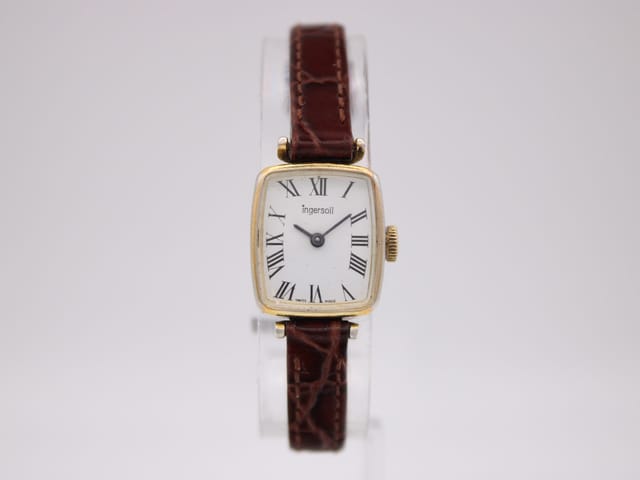 Sold
Ingersoll
- Movement
- MANUAL WIND
- Case size
- 17.53mm
- Strap
- Leather
- Condition
- Good
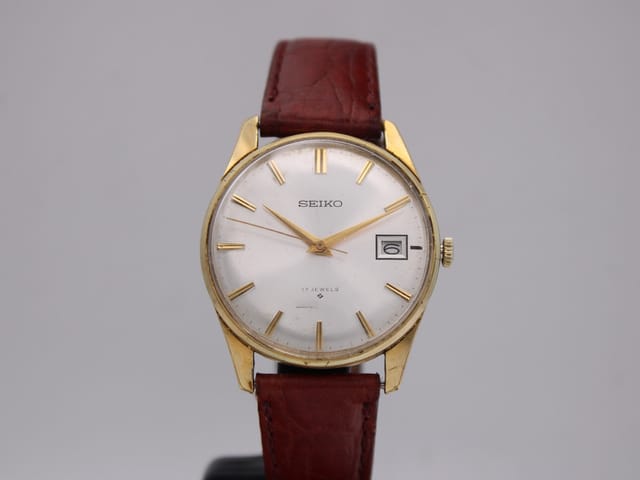 Sold
Seiko 6602-1990
- Movement
- HAND WIND
- Case size
- 35.02mm
- Strap
- Leather
- Condition
- Very Good
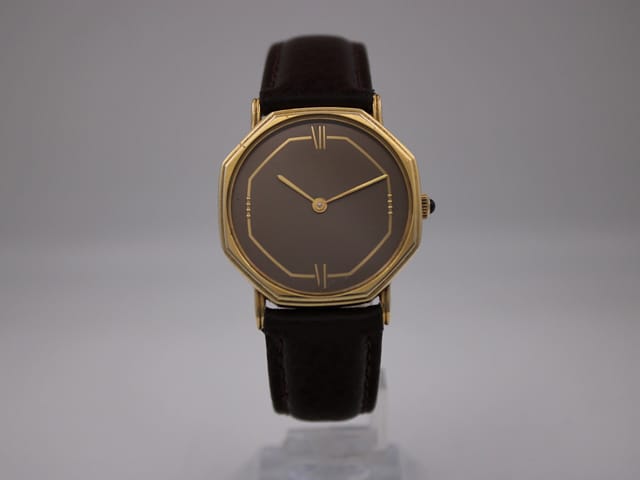 Sold
Raymond Weil 7030
- Movement
- HAND WIND
- Case size
- 31.11mm
- Strap
- Leather
- Condition
- Very Good
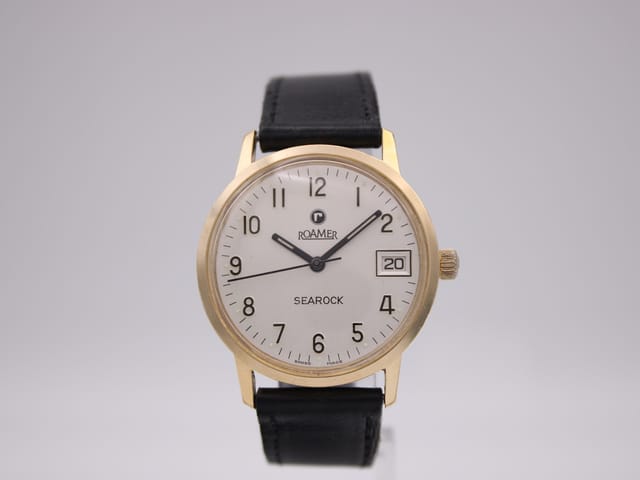 Sold
Roamer 521-2210.332
- Movement
- MANUAL WIND
- Case size
- 35mm
- Strap
- Leather
- Condition
- Good
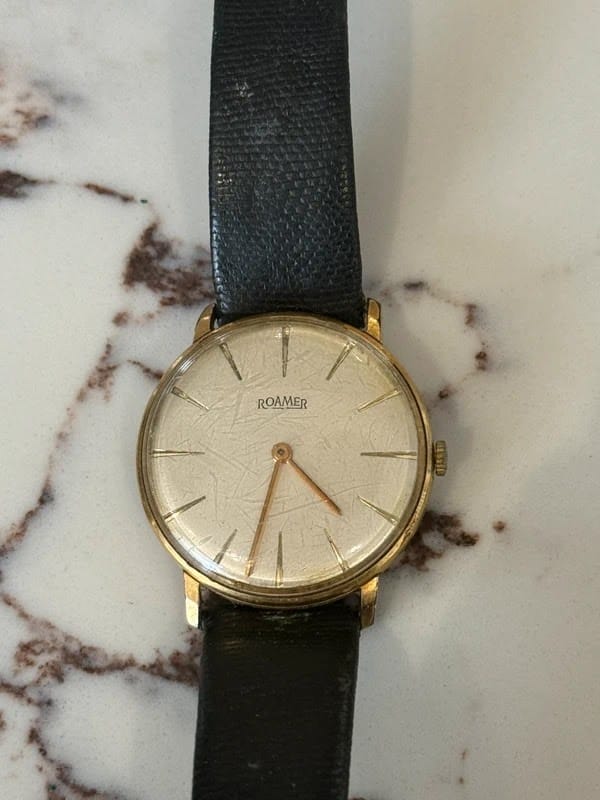 Sold
Roamer 59328
- Movement
- HAND WIND
- Case size
- 33.9mm
- Strap
- Leather
- Condition
- Excellent
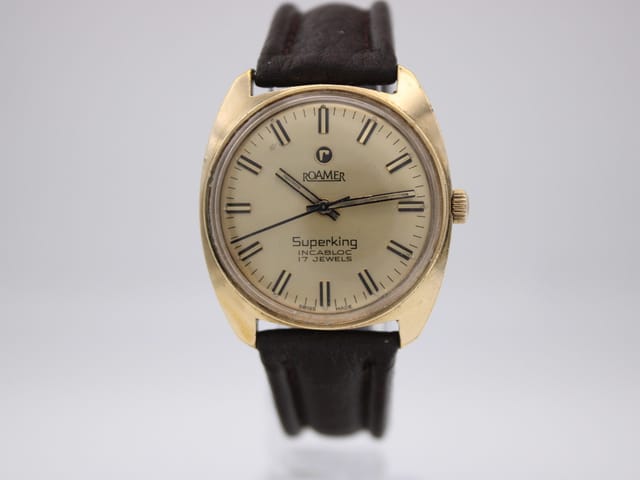 Sold
Roamer Superking
- Movement
- HAND WIND
- Case size
- 32.14mm
- Strap
- Leather
- Condition
- Very Good
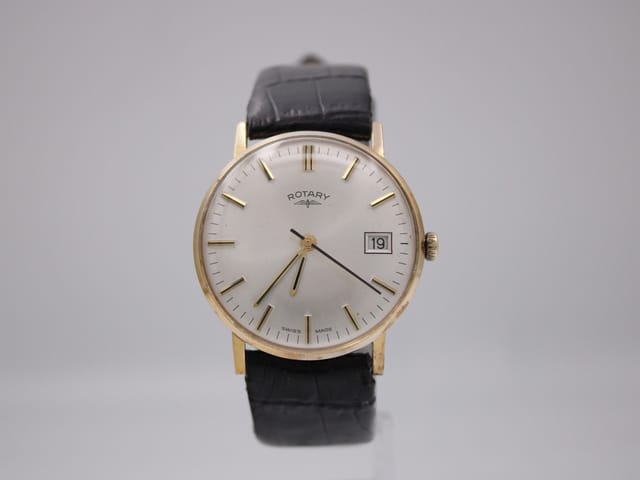 Sold
Rotary 226
- Movement
- HAND WIND
- Case size
- 33.1mm
- Strap
- Leather
- Condition
- Excellent
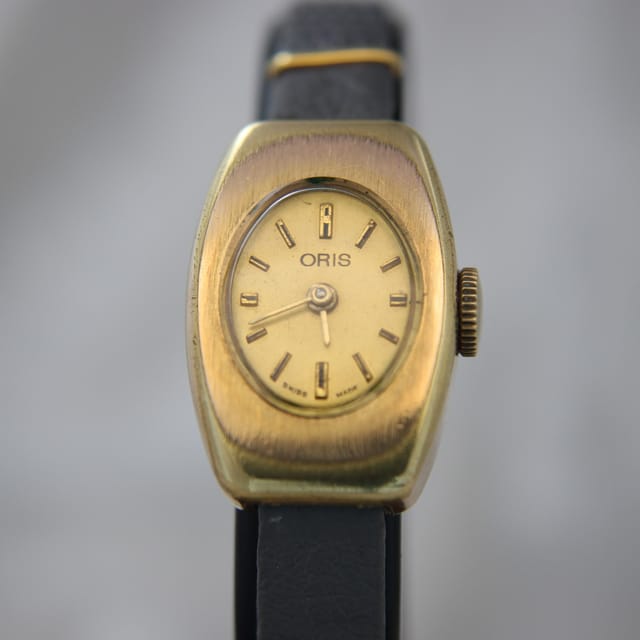 Sold
Oris 440kif Movment
- Movement
- HAND WIND
- Case size
- 19.5mm
- Strap
- Leather
- Condition
- Excellent
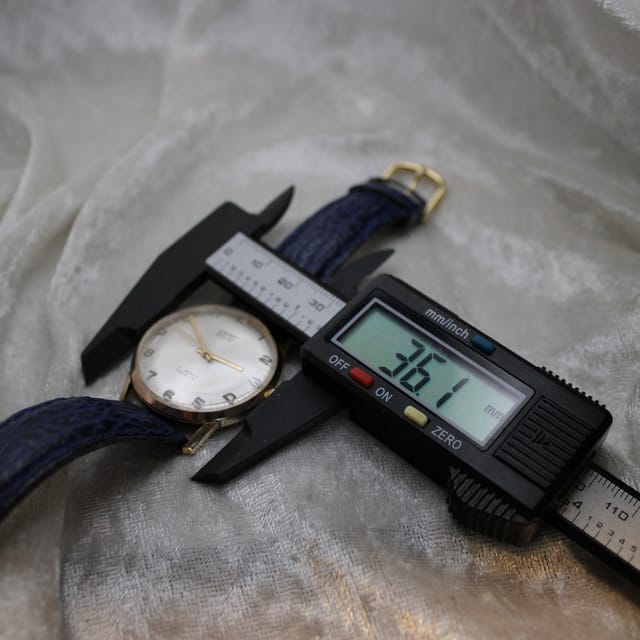 Sold
Camy 6335
- Movement
- HAND WIND
- Case size
- 36mm
- Strap
- Leather
- Condition
- Excellent
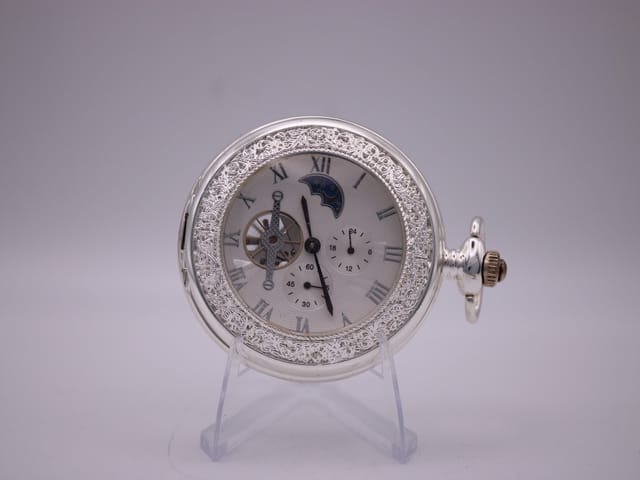 Sold
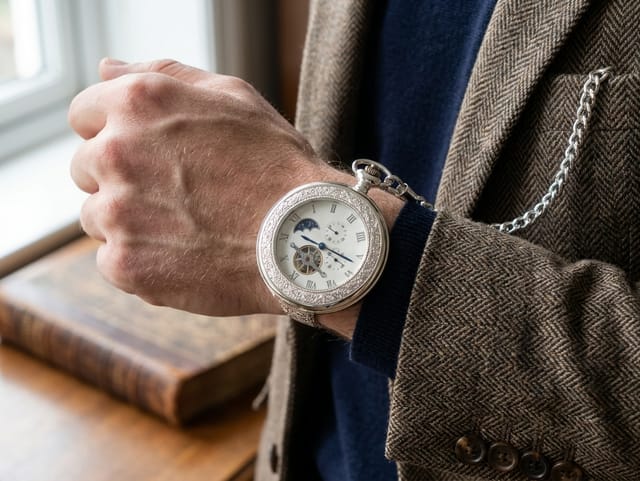
The Heritage Collection Spirit Of Time
- Movement
- MANUAL WIND
- Case size
- 48mm
- Strap
- Steel
- Condition
- Mint
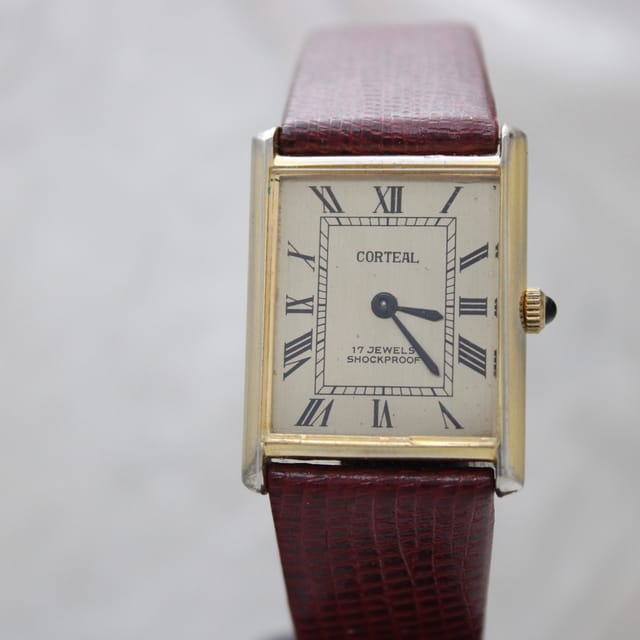 Sold
Corteal
- Movement
- HAND WIND
- Strap
- Leather
- Condition
- Very Good
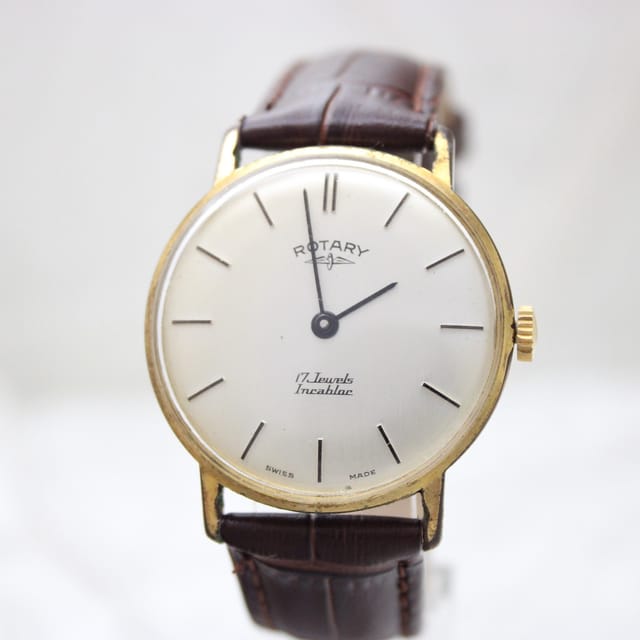 Sold
Rotary
- Movement
- HAND WIND
- Case size
- LARGEmm
- Strap
- Leather
- Condition
- Very Good
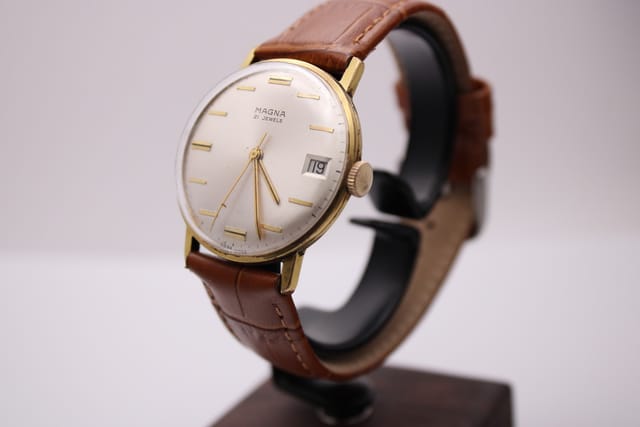 Sold
Magna 17jw
- Movement
- HAND WIND
- Case size
- LARGEmm
- Strap
- Leather
- Condition
- Good
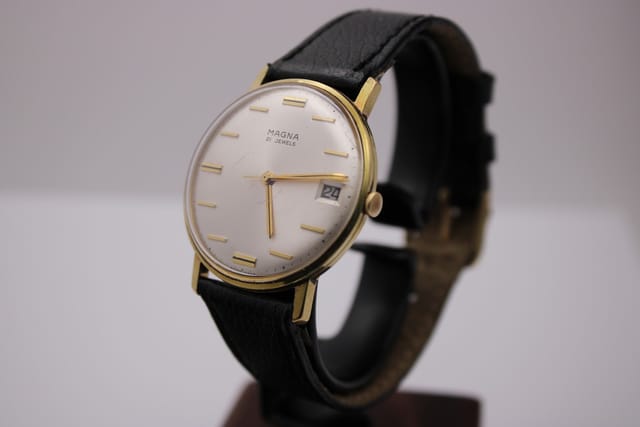 Sold
Magna 17jw
- Movement
- HAND WIND
- Case size
- 34mm
- Strap
- Leather
- Condition
- Good
Frequently asked questions
How often do I need to wind a hand-wound watch?
Once a day, at roughly the same time each morning. Most vintage manual movements hold thirty to forty-five hours of reserve, so a daily habit keeps the watch running continuously and the mainspring working in its healthiest range.
Can I over-wind a vintage watch?
On a healthy movement, no. The mainspring reaches a positive stop and simply will not turn further. Wind gently until you feel firm resistance and then stop. Forcing the crown past that point is what causes damage, not the winding itself.
Is a hand-wound watch less accurate than an automatic?
No. Accuracy comes from the escapement and the state of service, not from how the mainspring gets wound. A well-kept manual watch keeps time as well as an automatic of the same era, typically within a minute or so a day.
How often should a hand-wound watch be serviced?
Every five to seven years of regular wear is the usual guidance. Every mechanical watch we list is wound, timed and described honestly, so you know how it is running before you buy.